









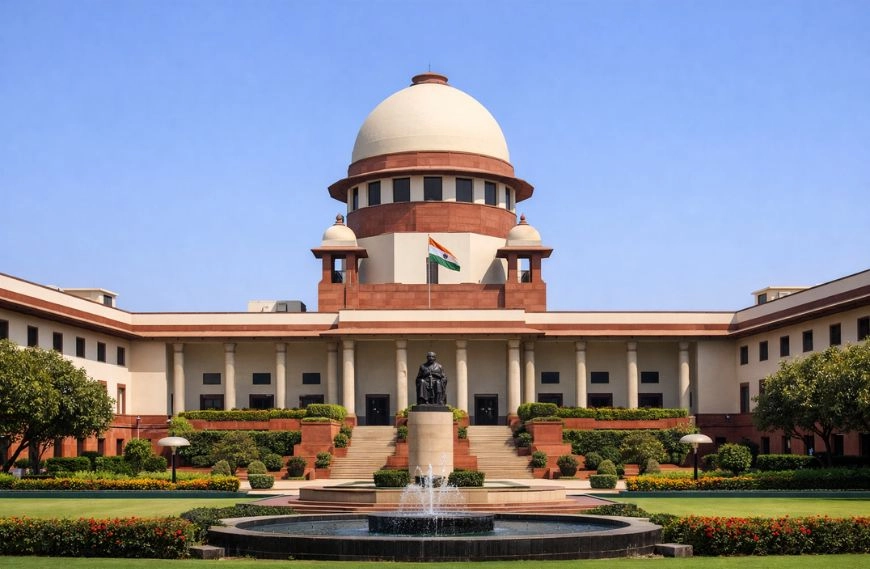
The Supreme Court of India has clearly stated that unreserved or open category seats must be filled strictly on the basis of merit, regardless of the social category of the candidate. The court ruled that candidates from reserved categories such as OBC, SC, and ST who score higher than the general cut-off have the right to claim unreserved seats. This decision strengthens the principle that open seats are meant for the best performers and are not limited to any specific group.
The ruling came in a case related to the 2013 Airports Authority of India recruitment process. During that recruitment, several candidates from reserved categories secured marks higher than the general category cut-off and were selected for unreserved posts. A general category candidate challenged this selection, arguing that those seats should be filled only by candidates from the general category. Lower courts initially supported this view. However, the Supreme Court overturned those decisions and upheld the original recruitment process.
The apex court explained that this process is known as a “merit-induced shift”. This means that when a reserved category candidate performs better than the open category cut-off, they move to the unreserved list based on merit. As a result, reserved seats remain available for candidates from those categories who qualify through the reservation system. According to the court, this method ensures that the best candidates get open seats while reservation benefits continue to support those who need them.
The bench also referred to earlier judgments, including the 2024 Rajat Yadav case, to support its decision. The court said that this approach follows the constitutional principles of equality under Articles 14 and 16, which guarantee equal opportunity in public employment. It stressed that unreserved seats are open to all candidates who meet the merit criteria, not just those from the general category.
For students and job aspirants, this ruling sends a clear message that performance matters most when competing for open category seats. It also removes confusion about whether high-performing reserved category candidates should be forced to use quota seats. The court made it clear that merit-based selection must always be respected.
The judgment has received mixed reactions online. Many people welcomed the decision, saying it protects fairness and rewards hard work. Others reminded the public that this rule has existed for many years and is not a new change. Legal experts have also pointed out that the ruling brings clarity and consistency to government recruitment policies.
Overall, the Supreme Court’s decision strengthens trust in the recruitment process and reinforces the idea that open seats are truly open to everyone who qualifies on merit. It also ensures that the reservation system continues to serve its purpose without affecting fair competition.
Subscribe Deshwale on YouTube


