



Picture this… it’s the 1950s, and pilots flying over Nevada spot something strange in the sky. A fiery, silver object zooms above, catching the sunset’s glow. It’s not a plane they recognise. Whispers of UFOs start swirling. This is where the legend of Area 51 begins, a secretive military base that’s become a magnet for alien conspiracy theories. UFOs and the public imagination have turned this remote Nevada outpost into a cultural phenomenon, blending fact, fiction, and a whole lot of mystery.
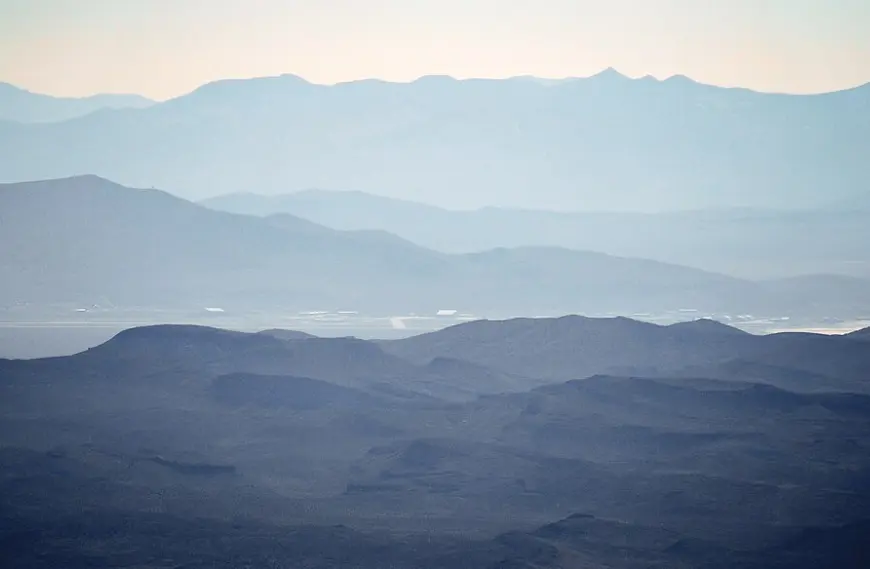
A Secret Base Sparks UFO Sightings
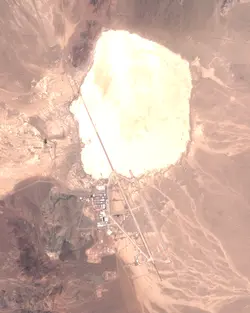
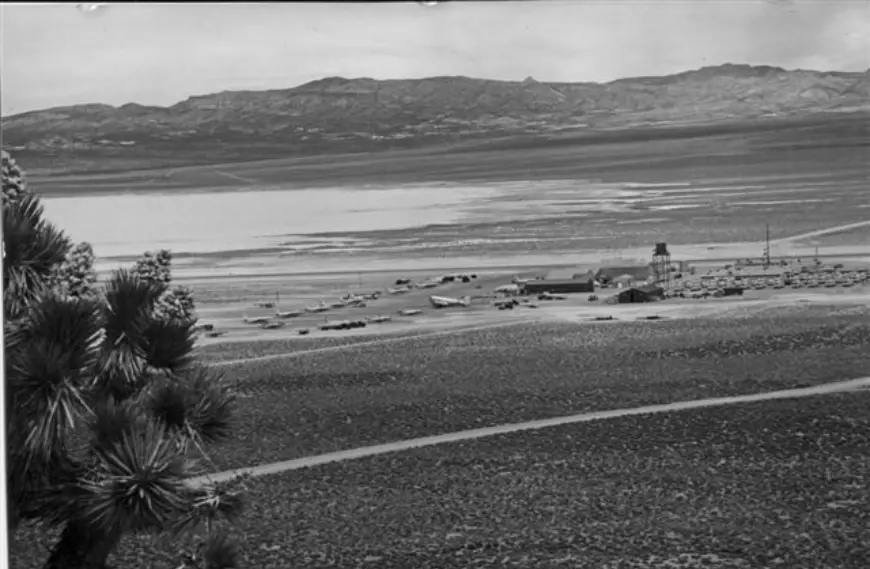
Back in the 1950s, Area 51 was a quiet testing ground for top-secret aircraft. The U-2 spy plane, flying at dizzying heights above 60,000 feet, was one of the first projects. Its sleek, silver wings caught the sunlight, making it look like a glowing UFO to pilots below. These sightings flooded the Air Force’s Project Blue Book, a programme tracking unexplained aerial phenomena. People wrote letters, air traffic controllers reported odd objects, and the mystery grew.
The government could not admit they were testing spy planes. That secrecy only poured fuel on the fire. If they were not talking, what were they hiding? The public’s imagination ran wild, picturing alien spacecraft tucked away in Nevada’s desert.
The Birth of Area 51’s Alien Myth
Fast forward to the 1980s, and Area 51’s UFO legend exploded. In 1988, a TV special called UFO Coverup? Live introduced millions to the idea that Area 51 was an alien hotspot. It was the first time the base’s name hit mainstream media tied to extraterrestrials. A year later, Bob Lazar, a self-proclaimed scientist, dropped a bombshell. He claimed he worked at a secret site called S-4, near Area 51, reverse-engineering alien spacecraft.
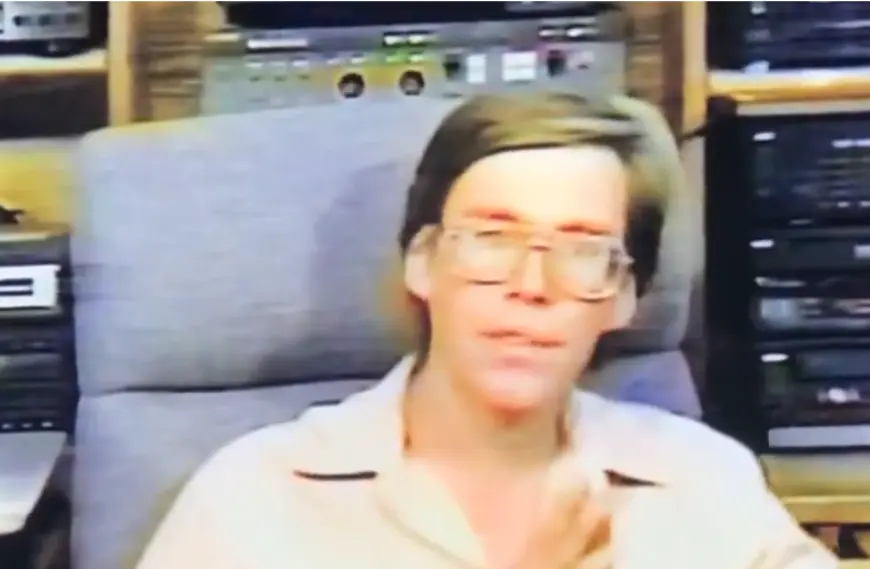
Lazar’s story was wild. He described nine flying saucers and even an alien being called ‘J-Rod.’ His claims were unproven, and his credentials were shaky… he was a parole officer at the time, not a PhD scientist. But the public lapped it up. Why? Area 51’s secrecy made anything seem possible. The base’s veterans later said these rumours helped keep their real work, testing advanced aircraft… under wraps.
The Flying Disc and Dreamland
The UFO buzz did not stop with Lazar. In 1996, a documentary called ‘Dreamland’ featured a 71-year-old engineer who claimed he worked at Area 51 in the 1950s. He said he helped build a ‘flying disc simulator’ based on a crashed alien craft. He even mentioned working with ‘J-Rod,’ echoing Lazar’s tale. These stories, though unverified, painted Area 51 as a sci-fi wonderland.
The documentary leaned into myths like the ‘Cheshire Airstrip’ at Papoose Lake, a supposed runway that vanished when sprayed with water. No evidence supports this, but it’s catnip for conspiracy fans. The name ‘Area 51’ itself, first spotted in a CIA document from the Vietnam War, added to the intrigue. It sounded like something out of a spy novel, not a military base.
The 2019 Storm Area 51 Craze
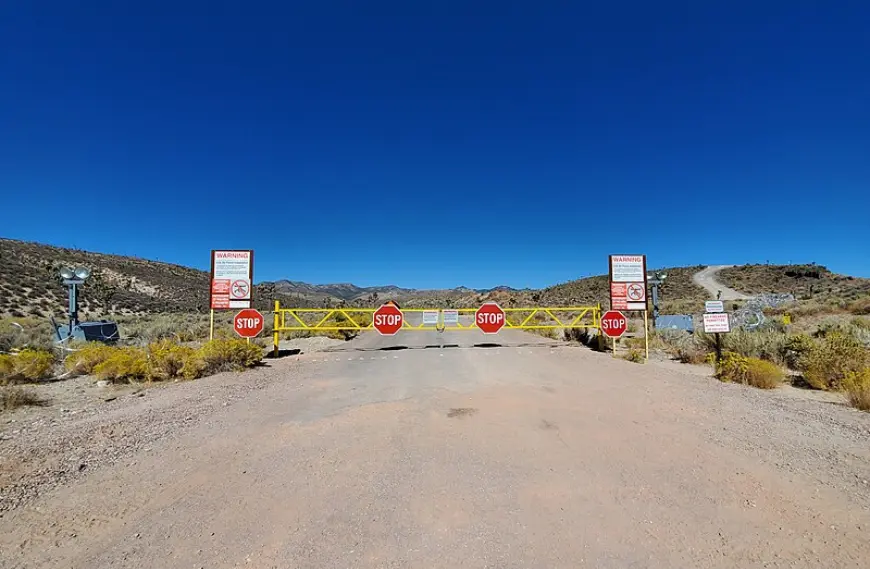
By 2019, Area 51’s myth had gone viral. A Facebook post jokingly called for people to ‘Storm Area 51, They Can’t Stop All of Us’ to ‘see them aliens.’ Over two million people RSVP’d. The event, set for September 20, 2019, turned into a global spectacle. Only 1,500 to 3,000 people showed up, but they made headlines. Some trekked miles of rough desert roads to reach the gates. Seven were arrested for trying to sneak in.
The real magic happened nearby. Two music festivals, AlienStock and Storm Area 51 Basecamp, popped up in rural Nevada. They celebrated the alien hype with music, camping, and UFO-themed fun. The tiny town of Rachel, just 25 miles from Area 51, became a tourist hub. The ‘Extraterrestrial Highway’ (State Route 375) drew adventure-seekers, eager to snap photos by the iconic sign. Area 51’s myth had become a cultural party.
Why the Alien Stories Stick
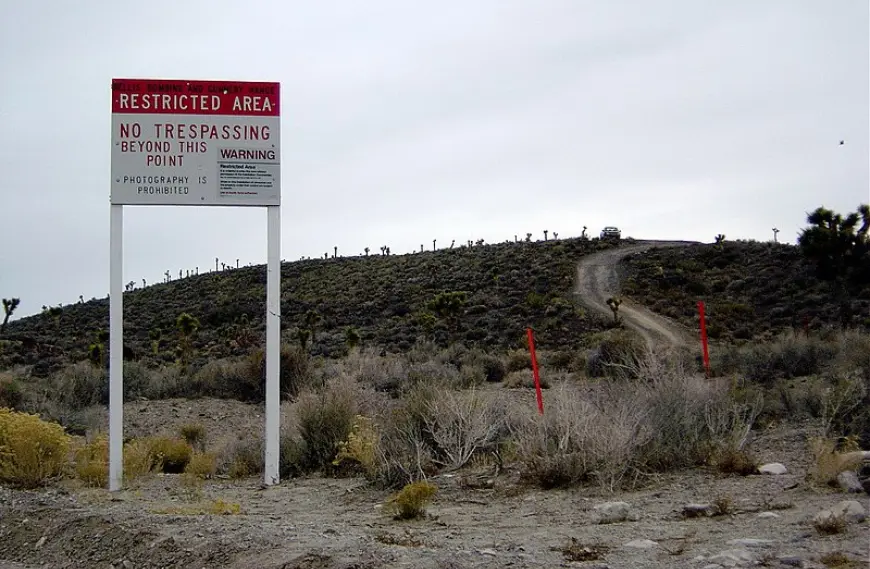
So why do these UFO tales grip us? Area 51’s secrecy is the perfect canvas for imagination. The base, officially called Homey Airport, is locked down tight. Guards in white trucks, nicknamed ‘camo dudes,’ patrol the perimeter. Signs warn of deadly force. Buried motion sensors keep intruders out. The CIA didn’t even admit the base existed until 2013, after a Freedom of Information request forced their hand.
That silence lets wild ideas flourish. The U-2 and OXCART planes, with their futuristic designs, looked alien to 1950s eyes. Veterans admit these odd-looking aircraft sparked many UFO reports. They deny underground alien labs or secret railroads, but they are fine with the rumours. Why? The stories kept curious eyes away from their real work… testing cutting-edge tech.
Area 51 in Pop Culture
Area 51 is not just a base, it’s a pop culture icon. Movies like ‘Independence Day’ and shows like ‘The X-Files’ use it as a backdrop for alien adventures. The 2019 storm event showed how social media can turn a conspiracy into a global joke. Even the government plays along indirectly. When the Air Force warned against storming the base, they did not deny aliens… they just said it was a training site. Clever.
The myths also boost tourism. Rachel’s small businesses thrive on UFO seekers. The Extraterrestrial Highway sign is a selfie magnet. Area 51’s blend of secrecy and sci-fi keeps it alive in our collective imagination, whether or not aliens are real.
The Truth Behind the Myths
Is there any truth to the UFO stories? Probably not in the way conspiracy fans hope. The declassified CIA documents from 2013 confirm Area 51 was about spy planes, not spaceships. The U-2’s high-altitude flights explain those early sightings. Lazar’s claims lack hard evidence, and stories like ‘J-Rod’ sound more like sci-fi than science. Yet the lack of answers keeps the mystery alive.
Area 51’s real story… testing revolutionary aircraft is pretty wild on its own. But UFOs and the public imagination have made it something bigger. A symbol of what we don’t know, and what we love to dream up. Whether it’s aliens or just top-secret jets, Area 51 keeps us guessing.
Also Read: धरती का जन्म कैसे हुआ: एक ब्रह्मांडीय कहानी
