









By: Hiren Gandhi
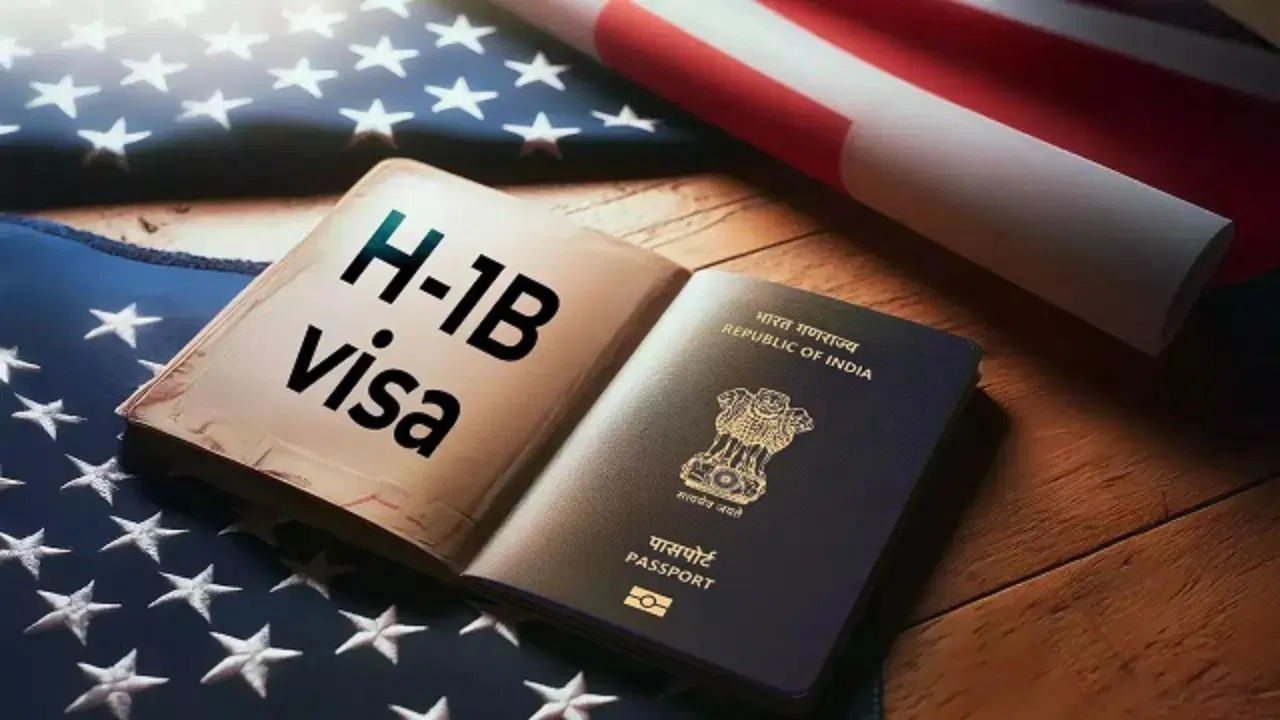
The United States has decided to end the lottery-based selection system for the H-1B work visa and introduce a salary-based selection process. The new system will come into effect from February 2026. This move is being seen as a significant shift in US immigration policy. The change is expected to have the most direct impact on Indian professionals, as more than 70 percent of H-1B visa recipients each year are from India.
Until now, the H-1B visa process was based on a lottery system, under which eligible applicants were selected randomly. This system gave equal opportunity to both low- and high-salary applicants. As a result, a large number of applications were filed every year, and the selection process was often criticised for being based largely on chance rather than skill or market demand.
Under the new system, selection will no longer be conducted through a lottery. Instead, higher-paying jobs will be given priority. According to the US administration, the objective of this change is to encourage highly skilled professionals, prevent wage suppression in the labour market, and curb misuse of the visa programme.
In the past, several consulting and body-shopping firms had filed a large number of H-1B applications. In many cases, multiple applications were submitted for the same candidate, raising concerns over imbalance and misuse of the system. The new salary-based framework is expected to limit such practices.
The revised system is likely to benefit Indian professionals with high-level skills who secure jobs directly with US-based companies. Candidates working in fields such as artificial intelligence, machine learning, cybersecurity, semiconductor technology, and senior software or technical roles are expected to gain an advantage. Since these roles typically offer higher wages, applicants in these sectors may receive greater priority under the new selection criteria.
On the other hand, obtaining an H-1B visa may become more difficult for fresh graduates and candidates applying for lower-paying roles. Companies that rely on body-shopping models or short-term contract-based employment may face increased challenges under the revised system.
Experts suggest that in the short term, the number of Indian applicants receiving H-1B visas could decline slightly. However, over the long term, the changes are expected to lead to higher average salaries, improved quality of employment, and stronger professional standing for Indian workers in the global job market.
The new H-1B visa system is being viewed as part of broader reforms in US immigration policy. The changes are expected to influence not only Indian professionals but also the global technology talent pool, as employers and applicants adjust to the new salary-based selection mechanism.


Secretary — InGlobal Business Foundation (IBF)
Director — ReNis Agro International LLP, Ahmedabad, India
Subscribe Deshwale on YouTube


