









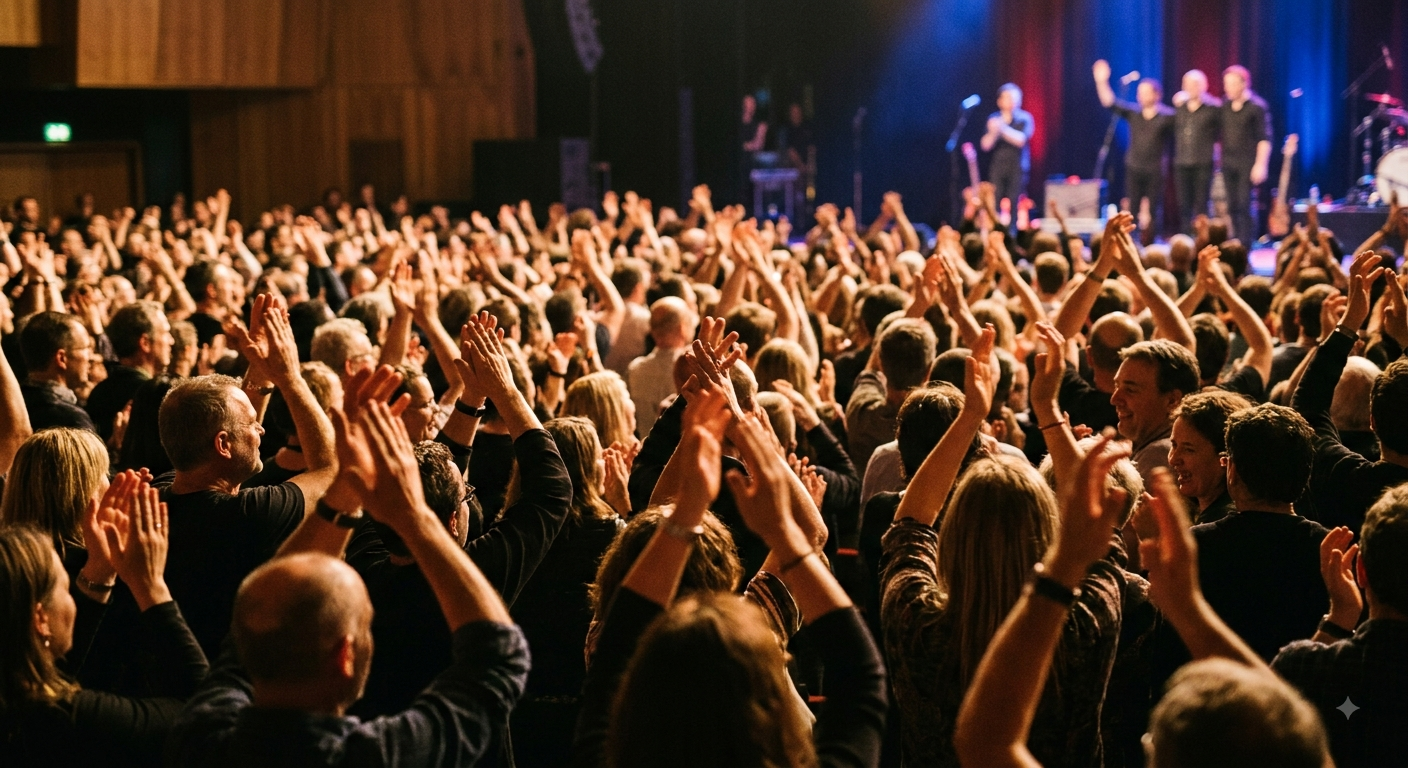
From a theatre stage to a music concert, from a school function to a street performance, one thing remains common — the sound of applause. As soon as a performance ends, audiences naturally bring their hands together to appreciate the artist. But have you ever wondered why clapping became a universal way of showing appreciation?
Clapping is more than just a simple gesture. It is a form of communication that allows people to express emotions without using words. A loud applause can show admiration, excitement, respect and encouragement for someone’s effort and talent.
The tradition of clapping after performances dates back thousands of years. In ancient Greece, audiences in theatres used applause and other sounds to express their reactions towards performances. Theatre was an important part of Greek culture, and audience responses helped show appreciation for actors, musicians and speakers. Over time, clapping became a common practice across different cultures. In ancient Rome, audiences also used applause during public events and performances. In some cases, Roman leaders even encouraged specific forms of audience reactions to create a sense of approval and popularity.
Apart from appreciation, applause also plays a social role. When one person starts clapping after a performance, others often join in. This shared reaction creates a collective experience where the audience connects with the performer and with each other.
Psychologists believe that clapping is linked to human emotions and group behaviour. When people witness something impressive, their excitement creates a physical response, and clapping becomes a natural way to release that emotion. It also signals to performers that their work has created an impact. Applause is not only about celebrating success; it also provides motivation. For performers, especially artists who perform live, audience reactions are an important part of the experience. The sound of applause can give confidence and encourage them to continue improving their craft.
Interestingly, the way people clap can also communicate different meanings. A slow and loud applause may show deep appreciation, while a quick applause may simply indicate approval. Standing ovations, where audiences stand while clapping, are considered one of the highest forms of appreciation. However, applause is not limited to entertainment. People clap during speeches, award ceremonies, sports events and even important announcements. It has become a universal language of recognition.
In modern times, applause has also moved into the digital world. Likes, shares and emojis on social media often act as a virtual form of applause, allowing people to appreciate creativity and achievements online. From ancient theatres to modern concerts, clapping has remained a simple yet powerful human expression. It connects performers and audiences, turning a moment of appreciation into a shared experience.
The next time you clap after a performance, remember that you are not just making noise — you are participating in a tradition that represents respect, emotion and human connection for thousands of years.
Subscribe Deshwale on YouTube


