



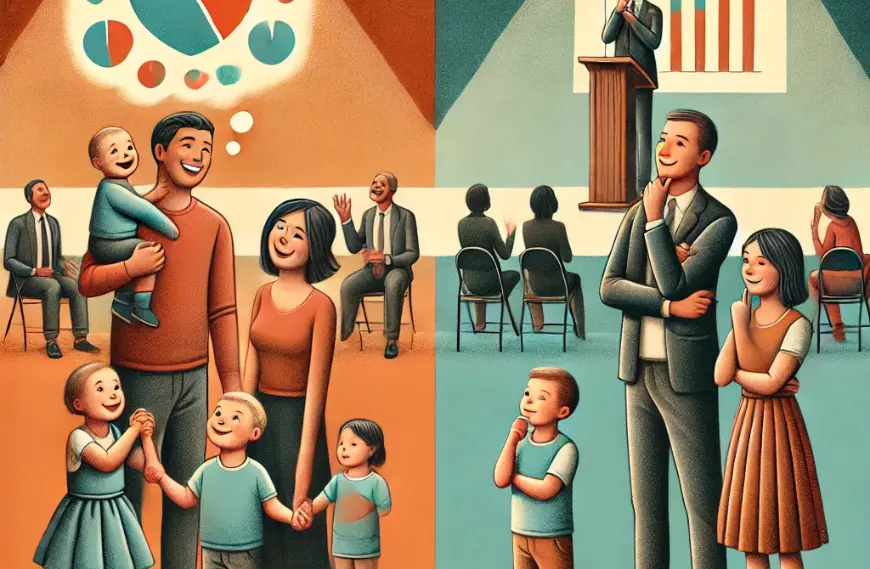
Southern Indian leaders are urging families to have more children to maintain political clout. This comes as India plans to redraw constituency boundaries based on the 2021 census.
Tamil Nadu’s Chief Minister, MK Stalin, has called on couples to procreate to avoid losing parliamentary seats to the more populous northern states. He fears that without action, the south’s political influence will wane.
Andhra Pradesh’s Chief Minister, N Chandrababu Naidu, echoes this sentiment. He now supports population growth, seeing it as a national advantage. Naidu believes that managing India’s demographic dividend is crucial for the country’s future.
These appeals mark a shift from previous family planning policies aimed at controlling population growth. The leaders argue that a larger population in the south is necessary to ensure fair representation in the Lok Sabha, India’s lower house of parliament.
The proposed constituency reforms will increase the number of seats from 543 to 846. This change is expected to benefit larger states like Uttar Pradesh, potentially reducing the representation of southern states that have successfully implemented family planning measures.
Southern states such as Karnataka, Andhra Pradesh, Telangana, Kerala, and Tamil Nadu contribute significantly to India’s GDP. However, they fear underrepresentation in the expanded Lok Sabha. Balancing the interests of these economically vital states with those of the more populous northern regions presents a challenge for the central government.
The debate over population growth and political representation continues. It raises questions about how to allocate parliamentary seats fairly while considering demographic shifts and regional contributions to the nation’s economy.
