



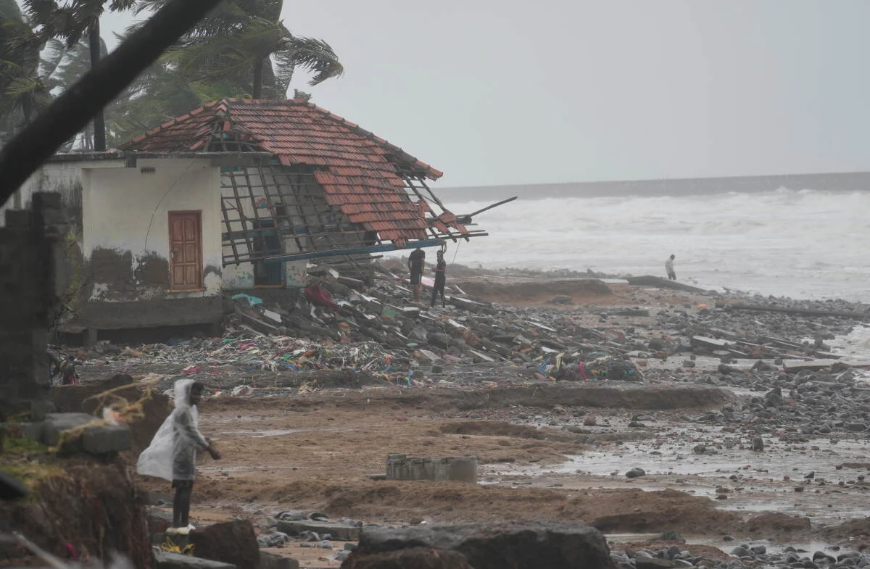
Cyclone Arnab has left a trail of destruction along India’s eastern coast. At least six people have died, and several areas face power disruptions. The storm brought heavy rain and strong winds to Andhra Pradesh and nearby regions.
The cyclone made landfall early on Wednesday, 28 October. Authorities are now assessing the damage and restoring essential services. Fallen trees and damaged power lines have added to the challenges facing local residents.
Six Deaths Reported After the Storm
An Andhra Pradesh government official confirmed six deaths, according to Reuters. However, The Times of India reported a higher toll of nine deaths. Its report linked the deaths to electrocution and the collapse of trees and houses.
The difference in these figures highlights the need for caution. Authorities may update the death toll as assessments continue.
The India Meteorological Department classified Cyclone Arnab as a very severe cyclonic storm. This is the third-highest category on its scale. The storm crossed the Andhra Pradesh coast early on Wednesday before moving inland.
Thousands of Electricity Poles Damaged
The cyclone caused extensive damage to the state’s electricity network. Andhra Pradesh Chief Minister N Chandrababu Naidu said at least 15,000 electricity poles had been damaged.
Power supply had returned in most districts by Thursday. However, disruptions continued in Konaseema and West Godavari, according to Reuters.
Restoring electricity remains a priority for residents and businesses. Damaged power lines can also create serious safety risks. People should avoid fallen wires and damaged electrical equipment.
More Than 180,000 People Evacuated
Authorities evacuated more than 180,000 people from Andhra Pradesh and Odisha. The move aimed to protect residents from strong winds, heavy rain and possible flooding.
Several schools closed ahead of the storm. Train and flight services also faced cancellations and disruptions. These measures affected daily life but formed part of the wider emergency response.
The large-scale evacuation highlights the importance of early warnings. Coordination between local authorities and disaster-response teams also remains essential. These steps can help protect communities when powerful cyclones approach populated areas.
Cargo Vessel Remains Grounded Offshore
Rough seas continued to pose risks after the cyclone crossed the coast. A cargo vessel flying the Marshall Islands flag remained grounded off Andhra Pradesh on Thursday, Reuters reported. The vessel had 20 crew members aboard.
The incident shows that danger can continue after a cyclone moves inland. Rough seas can complicate rescue operations and delay recovery work. Vessels also face difficulties navigating safely in such conditions.
Technology and Preparedness in Focus
Chief Minister Naidu said technology helped officials identify areas likely to face severe impacts. He said these measures helped limit casualties and property damage.
India has increasingly focused on early-warning systems and evacuation plans. Coordinated emergency responses also play an important role. However, damage to homes, power lines and transport networks highlights the risks faced by coastal communities.
Cyclone Arnab formed over the Bay of Bengal. The region frequently experiences tropical cyclones that threaten India’s eastern coastline. Such storms can bring destructive winds, heavy rainfall and flooding.
Authorities must now focus on restoring essential services. They also need to assess damaged infrastructure and support affected families. The full extent of the destruction will become clearer after officials complete their assessments.
Subscribe Deshwale on YouTube
