



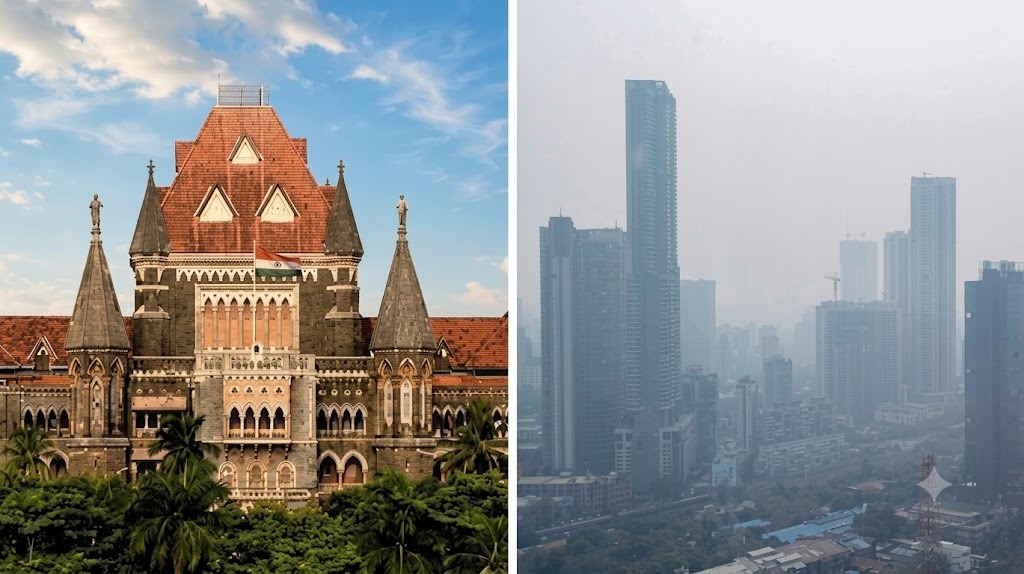
A city becomes more liveable not only when its streets are cleaner and its skies are clearer, but also when its people learn to care for one another. In Mumbai, where festivals bring neighbourhoods alive with music, lights and celebrations, balancing tradition with environmental responsibility is an important part of urban life.
A recent Bombay High Court hearing has brought this issue into focus. On 26 October 2026, the court expressed disappointment after the Maharashtra government informed it that some celebrities approached for an anti-pollution awareness campaign had sought appearance fees. The bench also raised concerns about late-night firecracker violations and called for stronger awareness efforts and enforcement across Mumbai.
Beyond the discussion about celebrity fees lies a larger question: how can public awareness campaigns translate into meaningful changes in everyday behaviour?
Awareness Must Reach Beyond Advertisements
Public campaigns use television advertisements, newspaper notices, social media posts and familiar faces to communicate important messages. These methods can attract attention, but visibility alone does not establish whether people understand the rules or follow them.
Mumbai’s neighbourhoods differ in their daily routines and access to information. While some residents regularly encounter digital campaigns, others may be more easily reached through local announcements, community meetings and conversations with neighbourhood representatives.
This is why awareness efforts need more than one approach. Schools, housing societies, community organisations and local representatives can help explain noise restrictions, the rules governing firecrackers and the ways residents can report violations.
During the hearing, the High Court called for wider publicity through schools, public announcements, social media, buses, bus stops and trains. Such efforts can help carry important messages into people’s everyday lives rather than limiting them to occasional advertisements.
Celebrations and Consideration Can Go Together
Festivals carry memories, traditions and a sense of belonging. They bring families together and allow communities to express their joy. Environmental responsibility need not diminish that experience.
However, celebrations also take place in shared spaces. Excessive noise late at night can disturb children, older residents, patients and people who need rest before work. Firecracker smoke adds to the pollution residents experience in an already busy city.
Simple measures can help communities celebrate more considerately. Organisers can communicate applicable restrictions in advance, residents can respect permitted timings, and local groups can share information about responsible celebrations.
The aim is not to diminish the joy of festivals, but to encourage celebrations that respect both tradition and the people around us. A considerate approach can help communities protect their shared environment without losing the spirit of their festivities.
Why Local Voices Matter
During the hearing, the court expressed concern about reaching Mumbai’s slum settlements with effective awareness messages. It called for civic authorities to involve ward corporators in improving communication and compliance.
Local representatives can help authorities understand neighbourhood-specific challenges and communicate rules in familiar, accessible ways. Community organisations and trusted local voices can also help residents understand why restrictions exist and how they apply to everyday situations.
Such outreach must remain respectful and inclusive. Environmental responsibility is not limited to one neighbourhood or section of society. Awareness and enforcement should extend across the city, with every community receiving clear information and being treated fairly.
Celebrities can bring considerable public attention to environmental causes, but they are not the only people capable of making a difference. Teachers, doctors, artists, volunteers and ordinary residents can also contribute by sharing reliable information and setting responsible examples.
From Publicity to Practical Action
Awareness is only one part of the solution. Clear rules, accessible complaint channels and consistent enforcement are equally important.
During the hearing, the Brihanmumbai Municipal Corporation informed the court that noise-related complaints could be routed through its existing 24-hour disaster helpline, 1916. The court also directed authorities to publicise the BMC’s 1916 helpline and the Mumbai Police’s 100 emergency number through print, cinema and digital media.
Residents should check the appropriate reporting channel for their complaint. For public authorities, responding to complaints and enforcing applicable restrictions consistently are essential to building public confidence.
Ultimately, a campaign should be judged not simply by how many people see its message, but by whether the message reaches communities, encourages responsible choices and supports effective enforcement.
A cleaner, quieter Mumbai will require more than a familiar face on a campaign poster. It will take public authorities that act consistently, communities that communicate effectively and residents who recognise that their choices affect others. When awareness reaches every neighbourhood and responsibility becomes part of everyday life, protecting the city’s environment becomes a shared effort rather than a seasonal appeal.
Subscribe Deshwale on YouTube
