



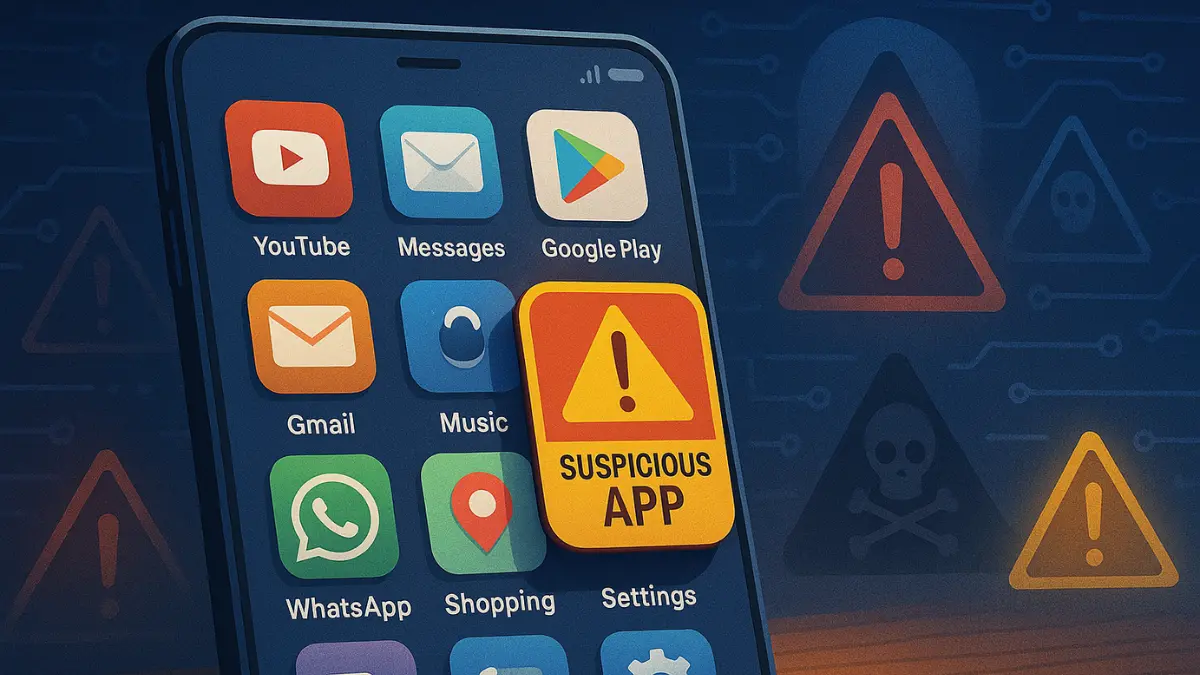
Fake mobile apps mimic trusted brands, stealing data, funds, and trust. In 2024, 2.28 million were removed from Google Play. They spread via phishing, hiding malware or adware. Indians, with 1.4 billion app downloads, face high risks. Check developer names, reviews, and permissions. Use official stores, antivirus, and 2FA. Businesses must monitor stores and use RASP to protect brands. Stay vigilant to secure your digital life.
Your smartphone is your lifeline. Banking, chatting, shopping, all at your fingertips. But lurking in app stores are fake apps, digital wolves in sheep’s clothing. These malicious mimics steal data, drain wallets, and haunt devices. For Indians, where 700 million use smartphones, the stakes are sky high. From fake WhatsApp clones to dodgy crypto wallets, cybercriminals are thriving. Let’s navigate this treacherous world, exposing fake apps and arming you with defenses. This isn’t just tech talk. It’s about safeguarding your digital life.
Fake apps are counterfeit applications mimicking trusted brands like Paytm or Zomato. They replicate logos, interfaces, and names to deceive users. In 2024, Google removed 2.28 million rogue apps, per its annual report. Yet, some slip through, even on official stores. Cybercriminals exploit India’s app craze. 1.4 billion downloads in Q1 2025 alone. “Fake apps are a silent epidemic,” warns cybersecurity expert Anil Gupta. Common targets include banking, gaming, and messaging apps, preying on trust.
How do fake apps infiltrate? Many use phishing, luring via SMS or email. A 2025 scam mimicked HDFC Bank, tricking 10,000 users into downloading malware. Others, like fake WalletConnect, stole $1 million in crypto, per TechSpark. Some apps start legitimate but get hijacked with malicious updates. Google Play’s automated reviews miss these, unlike Apple’s stricter checks. For Indian users, third party stores like 9Game are riskier, hosting 30% more fakes, says NordVPN.
The dangers are chilling. Malware apps, like 2024’s Mestox Calculator, install trojans to steal passwords. Banking trojans overlay fake login screens, siphoning funds unnoticed. Adware apps flood screens with ads, draining batteries and data. Some, like FluBot, spread via contacts, infecting thousands, per Netcraft. Ransomware locks devices, demanding payment. In India, 15% of users faced data leaks in 2024, costing ₹200 crore, per LexisNexis. Fake apps also tarnish brands, eroding trust.
Fake apps come in disguises. Imposters clone popular apps like WhatsApp, tweaking names slightly. Think “WhatsAppp.” In 2023, 600 million malware apps were downloaded globally, says Panda Security. Hidden apps run silently, stealing data or serving ads. Inappropriate content apps push porn or violence, targeting kids. Fake crypto wallets, like 2024’s Trezor scam, stole seed phrases, wiping savings. Indian gamers, hooked on PUBG clones, often fall prey to malware laced fakes.
Spotting fakes takes vigilance. Check developer names. Legit ones like Zomato are verified. Look for typos in descriptions; genuine apps avoid sloppy errors. Low download counts for “popular” apps signal fraud. Reviews matter. Too few or overly generic ones are red flags. A 2025 fake Paytm app had 1,000 bot driven 5 star reviews, exposed by Tech.co. Excessive permissions, like a torch app wanting contacts, scream danger. Recent release dates for “established” apps? Suspicious.
Consequences hit hard. Individuals lose money, data, even identities. A 2024 fake UPI app drained ₹50 lakh from Mumbai users. Businesses suffer, too. Cloned apps damage reputations. Imagine a fake Flipkart leaking customer data. In 2025, fintech apps saw a 40% rise in fraud, per Red Points. Globally, mobile fraud losses hit $40.3 billion in 2023, with India among the top targets. For small businesses, a single breach can cripple operations.
Prevention starts with caution. Stick to official app stores like Google Play or Apple’s App Store. Enable Google Play Protect; it caught 90% of fakes in 2024. Install antivirus software like Kaspersky or McAfee for real time scans. Avoid clicking SMS or email links promising apps. Check permissions. Why does a calculator need your camera? Regular updates patch vulnerabilities. For Indians, enabling two factor authentication (2FA) on banking apps adds a safety net.
Businesses must act, too. Code hardening and Runtime Application Self Protection (RASP) stop cloning, per Zimperium. Regular app store monitoring catches fakes early. Brands like SBI use Red Points’ AI crawlers to detect imposters. Reporting fakes to Google or Apple is simple. Select “copyright infringement” or “fraud.” Indian firms lost ₹500 crore to app fraud in 2024, making vigilance critical. Educating users via campaigns, like Airtel’s, builds trust.
The future of app security is evolving. The EU’s 2024 Digital Markets Act may loosen Apple’s grip, risking more iOS fakes. AI driven attacks, like 2025’s WalletConnect scam, evade detection, per TechSpark. Yet, AI also powers defences. Spin.AI’s real time monitoring flags malicious updates. Indian developers, thriving in AI, could lead solutions. By 2030, 60% of apps may use RASP, predicts Approval. But user awareness remains key, especially in India’s digital boom.
Fake apps are a digital minefield. For Indians, they threaten savings, privacy, and trust. From phishing to malware, their tactics are ruthless. Yet, with savvy, checking reviews, sticking to official stores, using antivirus, you can fight back. “Your phone’s only as safe as your choices,” says Gupta. As India’s app economy soars, staying alert is non-negotiable. Don’t let a fake app steal your digital dreams.
