








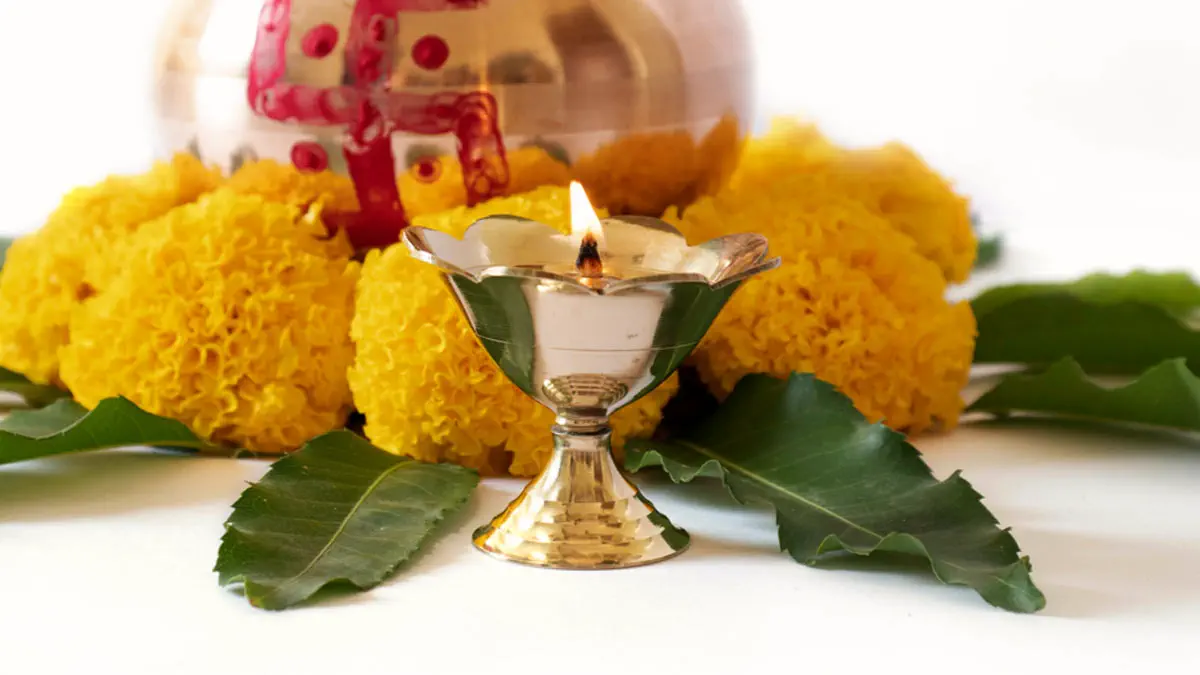
Akshaya Tritiya, also known as Akha Teej, is a sacred Hindu and Jain festival celebrated on the third lunar day (Tritiya) of Shukla Paksha in the month of Vaishakha. The word Akshaya in Sanskrit translates to “never diminishing,” symbolizing unending prosperity, wealth, and good fortune. Every year, this auspicious day marks a time of new beginnings, spiritual reflection, and significant purchases believed to bring lifelong blessings.
Significance and Legends
Akshaya Tritiya is rooted in various spiritual and mythological tales:
- Birth of Lord Parashurama: The sixth incarnation of Lord Vishnu is said to have been born on this day.
- Gift of the Akshaya Patra: Lord Krishna gave the Pandavas an inexhaustible vessel during their exile to ensure they never lacked food.
- Descent of the Ganga: The holy Ganges River is believed to have descended to Earth on this day.
- Sudama’s Offering to Krishna: When Sudama visited Krishna with humble offerings, he was blessed with immense wealth and happiness.
- Beginning of the Mahabharata: Sage Ved Vyasa began narrating the Mahabharata to Lord Ganesha.
- Start of Treta Yuga: This day is also considered the beginning of Treta Yuga according to Hindu cosmology.
Rituals and Traditions
- Divine Worship: Devotees worship Lord Vishnu, Goddess Lakshmi, and Lord Ganesha for blessings.
- Charity and Donation: Offering food, clothes, and water (Jal Dan) is considered highly meritorious.
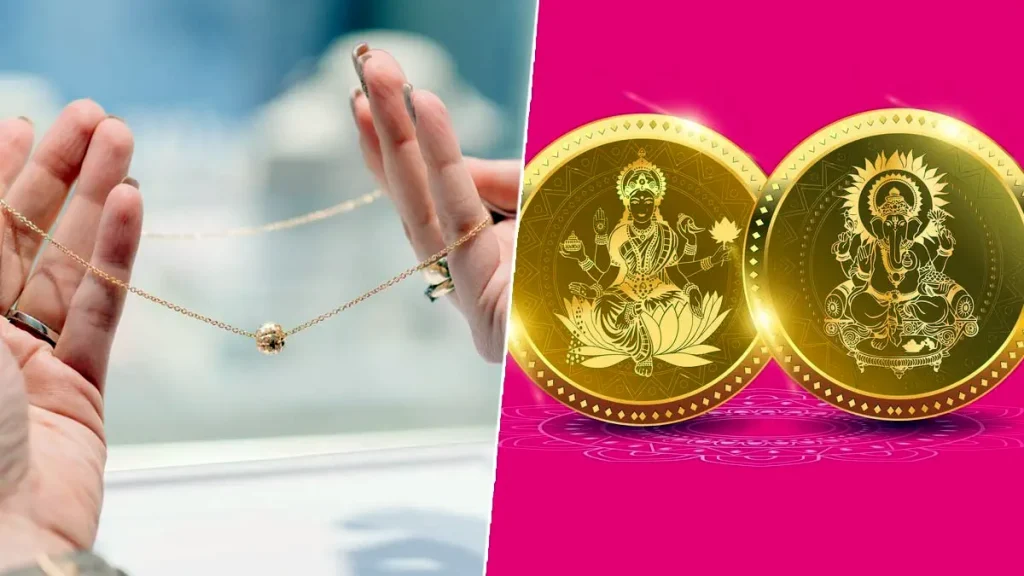
- Auspicious Buying: Purchasing gold, silver, or other valuables is believed to ensure enduring prosperity.
- New Beginnings: Many initiate marriages, business ventures, and housewarming ceremonies on this day.
- Agricultural Observance: In regions like Odisha, the day marks the start of sowing activities for a prosperous harvest.
Astrological Significance
In 2025, Akshaya Tritiya aligns with the Sun in Aries and the Moon in Taurus—both signs where these celestial bodies are considered exalted. This rare planetary positioning amplifies the spiritual energy of the day. With the Sun and Moon at their peak strength, any auspicious activity—be it starting a business, making an investment, or performing a ritual—is said to bring especially fruitful results, without the need for a separate muhurta (auspicious timing).

Changing Trends in Auspicious Buying
Traditionally, gold has been the preferred purchase on Akshaya Tritiya. However, recent years have seen a notable shift in consumer behaviour. There is a growing preference for natural diamonds, with more people choosing them not only as adornments but as long-term investments.
Buyers are opting for larger, high-quality diamonds and timeless designs. Younger generations, particularly Gen Z, are increasingly attentive to factors like certification, origin, and lasting value. For them, a diamond purchase represents both a personal milestone and a mindful financial decision.
Despite the rising popularity of experiential spending, the emotional and cultural value of jewellery continues to hold ground. Fluctuations in global supply have added an element of rarity to natural diamonds, reinforcing their perception as treasured, long-term assets.
Expert Insight: Ritu Seth on Natural Diamond Trends
Karishma Rathod Khan from Team Deshwale posed key questions to Ritu Seth, Managing Director and Designer at Belisma, to understand current trends in natural diamond buying around Akshaya Tritiya. Here are her responses:
1. Could you share specific sales trends you’ve observed in natural diamonds recently, especially around Akshaya Tritiya?
People are now buying bigger and more expensive natural diamonds, like 2.5 carats instead of just 1 carat. They want classic designs, and natural diamonds are becoming popular among those who prefer timeless jewellery.
2. Are there any noticeable shifts in consumer sentiment towards natural diamonds from a particular region or demographic group?
Younger people, especially Gen Z, are more interested in buying natural diamonds. They are careful and check the quality and certification of the diamonds before buying.
3. Are you seeing natural diamond purchases being driven more by immediate seasonal demand or by long-term investment trends?
While people are buying natural diamonds for special occasions like Akshaya Tritiya and weddings, they also make this purchase as a long-term investment. Many individuals buy natural diamonds as a way to invest and keep their value over time.
4. Have there been any recent challenges or opportunities impacting natural diamond sales, such as changing consumer preferences or emerging competitors?
While experiences and travel remain a big part of the wish list, natural diamond purchases are still in strong demand from those looking for sentimental, meaningful purchases. Geopolitical issues have caused shortages, making natural diamonds even more valuable.
5. Is there any specific sales or market data on natural diamonds that you would like to highlight or reference?
There is a growing demand for high-quality natural diamonds, and their prices are going up. Many people see natural diamonds as an investment, and there are long waiting lists for the best natural diamonds because of this increased demand.
This insight reflects a larger transformation in how Akshaya Tritiya is celebrated today—where spiritual prosperity now harmonizes with thoughtful, future-facing choices rooted in cultural tradition and financial awareness.


