








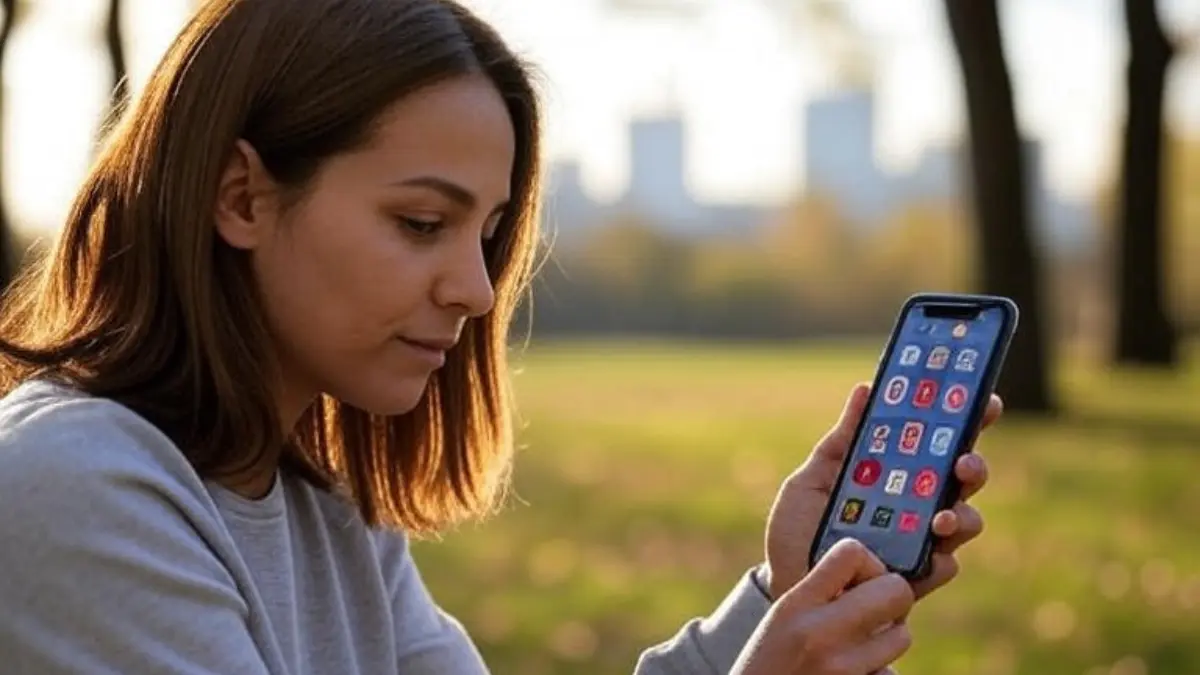
Our smartphones are supposed to make life easier, but some apps are quietly taking a toll on our mental health. They demand our time, feed our insecurities, and sometimes leave us more disconnected than ever. For many of us, deleting them or at least cutting back can feel like a relief we did not know we needed.
Dr. Tejal, a practising physician says, “Social media platforms like YouTube, Instagram, and Facebook can lead to increased anxiety, depression, and feelings of loneliness among the younger generation. The blue light emitted from the screens and the stimulating content can disrupt sleep patterns, further affecting mental wellbeing.”
Here is a closer look at the usual suspects and why letting them go might be the best thing you do for your well-being.
YouTube – The Endless Scroll Trap
YouTube can be a treasure trove of tutorials, lectures, and inspiring content. But it is also a master of keeping you hooked. One video leads to another and suddenly it is 2 a.m., your to-do list is untouched, and your eyes are sore.
For many viewers, the real problem is not just the wasted time. Certain channels showcase picture-perfect lives and when you compare your reality to those polished videos, feelings of inadequacy creep in. Add the occasional nasty comment thread and YouTube can leave you mentally drained.
Instagram – The Perfect Life Illusion
If YouTube pulls you in with endless content, Instagram does it with glossy snapshots of perfection. Every scroll brings a flood of flawless skin, luxury vacations, and seemingly effortless success. It is hard not to compare yourself, especially when you do not have a professional photographer, a team of editors, or a wardrobe full of designer clothes.
Even if you follow only harmless meme accounts or hobby pages, Instagram’s comment sections can be surprisingly toxic. While it can be a place to connect over shared interests, it also fuels self-doubt and constant “why isn’t my life like that” moments.
Twitter – Outrage in Real Time
Twitter’s harm is different. Instead of perfect lives, you get a constant feed of hot takes, breaking news, and outrage. The more emotional the post, the faster it spreads. Spend enough time here and it can warp your worldview, making the world seem angrier and more divided than it really is.
Anonymous accounts make it easy for people to be cruel without consequence. While Twitter can be useful for updates and activism, it often ends up feeling like a daily shouting match you did not sign up for.
Snapchat – Streaks Over Substance
Snapchat’s disappearing messages and daily streaks are fun at first, but they come with hidden pressures. Many teens and young adults feel they need to keep up a perfect image by posting filtered selfies and carefully staged moments. Over time, that pressure can cause anxiety and chip away at self-esteem.
Then there is the constant ping of notifications. The more you check, the less you sleep. With less real-world interaction, it is easy to feel isolated even while “staying connected.”
TikTok – Banned but Not Forgotten
TikTok may be banned in India, but its clones like Instagram Reels and Moj are thriving. The short-video format is incredibly addictive. You tell yourself “just one more” and an hour later you are still there.
Many videos use heavy filters and unrealistic beauty standards, leaving viewers feeling inadequate about their own looks or lifestyles. Even when the content is fun, the endless scroll can harm your attention span, your sleep, and your mood over time.
Facebook – The Original Time Eater
Facebook’s user base in India is older now, but the mental health pitfalls remain. Posts that start as harmless updates can spiral into arguments. Curated life updates spark the same comparison trap as Instagram. Misinformation and heated debates often leave users feeling frustrated or even hopeless.
Yes, Facebook has bright spots like community groups, events, and keeping in touch with distant relatives. Yet the overall effect can still be mentally exhausting if you spend too much time there.
Dating Apps – Matches Without Meetings
Tinder, Bumble, and Hinge promise romance but often deliver fatigue. Swiping through endless profiles can feel like shopping for humans. Many conversations never leave the chat box and when they do, expectations do not always match reality.
With so many options, commitment can feel harder. Constant rejection, whether real or perceived, can chip away at confidence. Instead of meaningful connection, users are often left with frustration and emotional burnout.
Why Deleting Can Be a Kindness to Yourself
Giving up these apps completely is not realistic for everyone, especially when work, networking, or staying informed depends on them. But pruning your digital garden can make a world of difference.
Without late-night scrolling, sleep improves. Without constant comparison, self-esteem grows. Without the noise of online arguments, your mind feels clearer.
India’s love affair with smartphones means we are more connected than ever, but connection does not have to come at the cost of our peace of mind. Deleting even one or two of these mental health drainers might be the reset your brain has been craving.


