











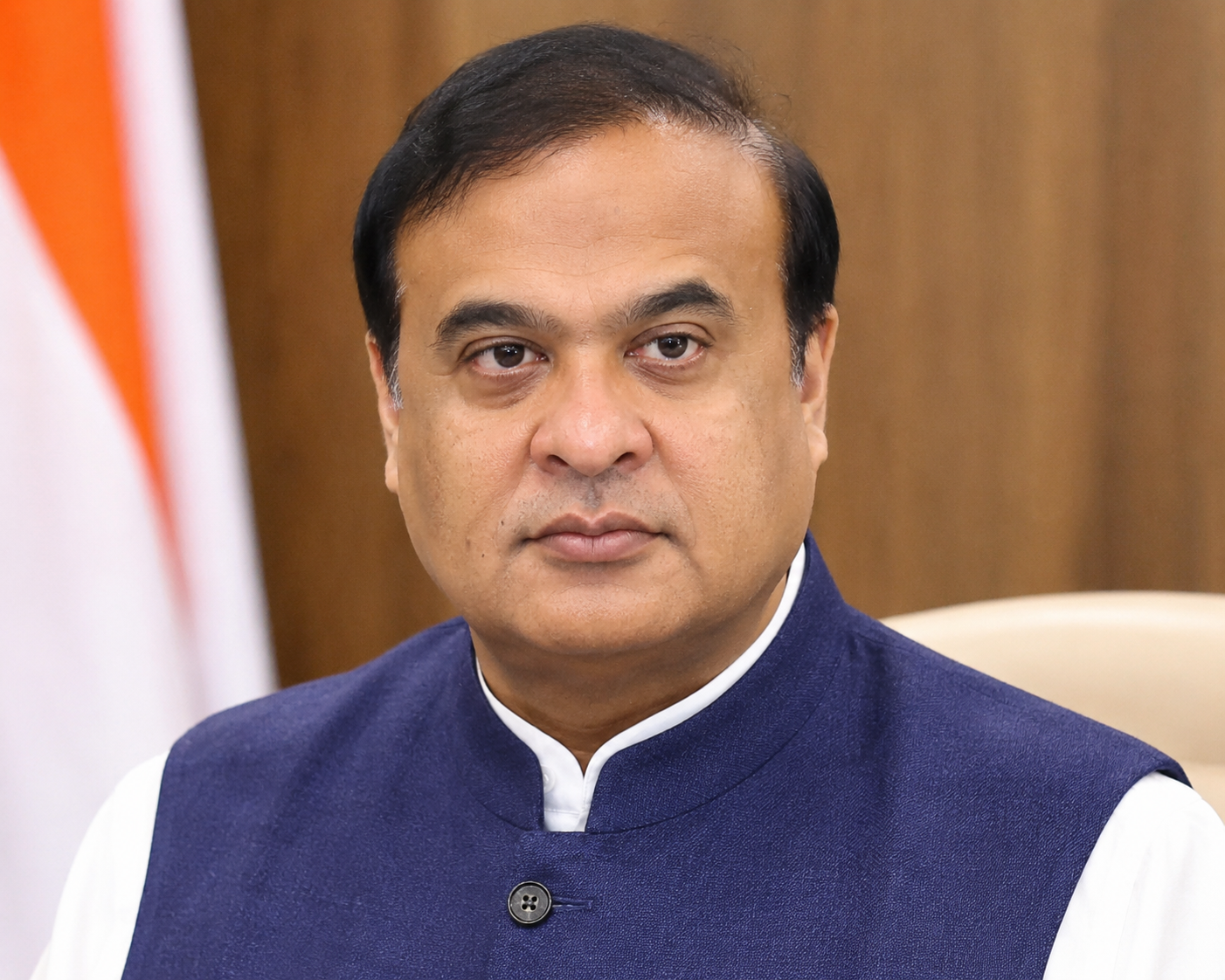
A significant political transition is underway in Assam as Chief Minister Himanta Biswa Sarma formally resigned from his post. He met the Governor at Raj Bhavan, where he submitted his resignation letter, a step that officially brings the curtain down on the outgoing Assam Legislative Assembly and opens the door to the formation of a new government.
To put it simply, this is not a political crisis. Sarma’s resignation is a routine constitutional formality that takes place whenever a new government is set to be formed after elections. Once election results are declared, the sitting Chief Minister submits resignation, the existing assembly completes its tenure or is dissolved, and the process of constituting a new assembly begins. Only after this can the new government be formally sworn in. This is the process now unfolding in Assam.
So while the word “resignation” may sound dramatic, it is in fact part of a smooth and established democratic transition, marking the final step before a new legislative assembly begins its term.
The recent Assam Legislative Assembly elections were conducted across 126 constituencies, following which results were declared and the ruling alliance led by the Bharatiya Janata Party secured a majority. The BJP, along with its National Democratic Alliance partners, retained power in the state. This victory continues the party’s political dominance in Assam, where it has been in power since 2016.
Himanta Biswa Sarma also secured victory from his constituency, reinforcing his leadership position within the party and the state. His role has been central to the BJP’s growth in Assam over the past decade.
Once the Chief Minister submits his resignation, the Governor initiates the formal process for government formation. The outgoing council of ministers continues in a caretaker capacity until the new government is sworn in. The move clears the way for the constitution of a new legislative assembly and the swearing-in of the next government, which is expected to take place soon.
Sarma’s political journey is noteworthy. He spent several years in the Indian National Congress before joining the BJP in 2015. His shift played a key role in strengthening the BJP’s presence in Assam and the wider Northeast. The party went on to form its first government in the state in 2016 and retained power in the subsequent election, after which Sarma took over as Chief Minister.
Today’s developments mark more than just a procedural step. They signal the continuation of a political phase shaped by a strong electoral mandate. For citizens across Assam, attention now turns to governance and the priorities that the new administration will set in the coming term.
With the resignation now submitted, Assam stands at the beginning of a new political chapter, as the process of forming the next government moves forward in accordance with constitutional norms.
Subscribe Deshwale on YouTube


