



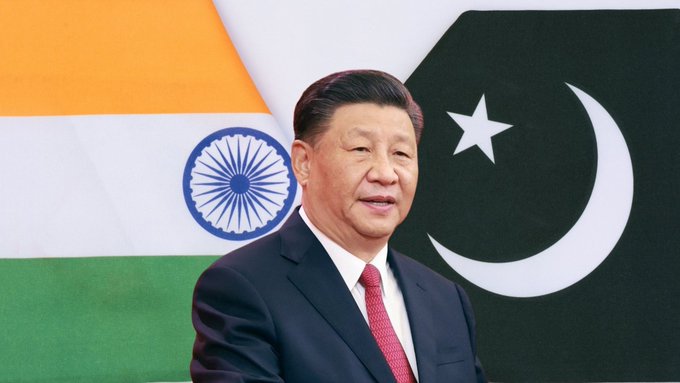
On May 7, 2025, China’s response to Operation Sindoor grabbed attention as Beijing urged India and Pakistan to calm down. India had just launched missile strikes on nine terror camps in Pakistan and Pakistan-occupied Kashmir, targeting groups like Jaish-e-Mohammed. Pakistan hit back with heavy shelling along the border. Caught between its two neighbors, China’s not just worried about peace, it’s got big plans in the region that could be at risk. Here is why China’s stepping in and what’s at stake.
What sparked the conflict?
India’s Operation Sindoor was a bold move. It came after a terror attack in Pahalgam on April 22 killed 26 people, including 25 Indians and one Nepali. India struck terror bases, including Jaish-e-Mohammed’s hub in Bahawalpur and Lashkar-e-Taiba’s site in Muridke. The strikes were precise, avoiding Pakistani military targets. Pakistan responded with fierce shelling in Jammu and Kashmir, escalating tensions.
Why is China concerned?
China shares borders with both India and Pakistan. It called India’s strikes ‘regrettable’ but also condemned terrorism. Beijing’s worried that this clash could destabilize South Asia. China’s response to Operation Sindoor shows it’s trying to protect its own interests, like the China-Pakistan Economic Corridor, a massive trade project. If fighting spreads, it could disrupt billions in investments and shake regional trade.
Walking a diplomatic tightrope
China’s playing a delicate game. It’s close to Pakistan but needs good ties with India, a major trade partner. By urging both sides to show restraint, China avoids picking a side. Its statement stressed peace and stability, hoping to cool things down without upsetting either neighbor. The United Nations and other global players echoed China’s call, urging India and Pakistan to avoid further escalation.
How’s the region affected?
Pakistan’s shelling hit border districts like Poonch and Kupwara hard. Schools closed, and people hid in bunkers. India’s strikes were meant to weaken terror groups, but the retaliation has raised fears of a bigger conflict. China’s response to Operation Sindoor highlights the ripple effects, when India and Pakistan clash, it’s not just their problem. The whole region feels the heat, from trade routes to global markets.
China wants calm, but it’s staying out of the fray. India says its strikes were focused and not meant to spark war. Pakistan’s shelling shows it’s not backing down. For now, China’s watching closely, hoping its neighbors don’t push things further. This standoff could affect everything from local safety to China’s big economic plans. Everyone’s waiting to see if peace talks can ease the tension.
Operation Sindoor: Key Details
| Topic | Details |
| Operation Name | Operation Sindoor |
| Date | May 7, 2025 |
| Targets | 9 terror camps, including Jaish-e-Mohammed (Bahawalpur), Lashkar-e-Taiba (Muridke) |
| Trigger | Pahalgam terror attack, April 22, 2025, killed 26 people |
| China’s Response | Urged restraint, condemned terrorism, called India’s strikes “regrettable” |
| Pakistan’s Reaction | Heavy shelling along Line of Control in Jammu and Kashmir |
| Regional Impact | Threat to China-Pakistan Economic Corridor and South Asian stability |
