



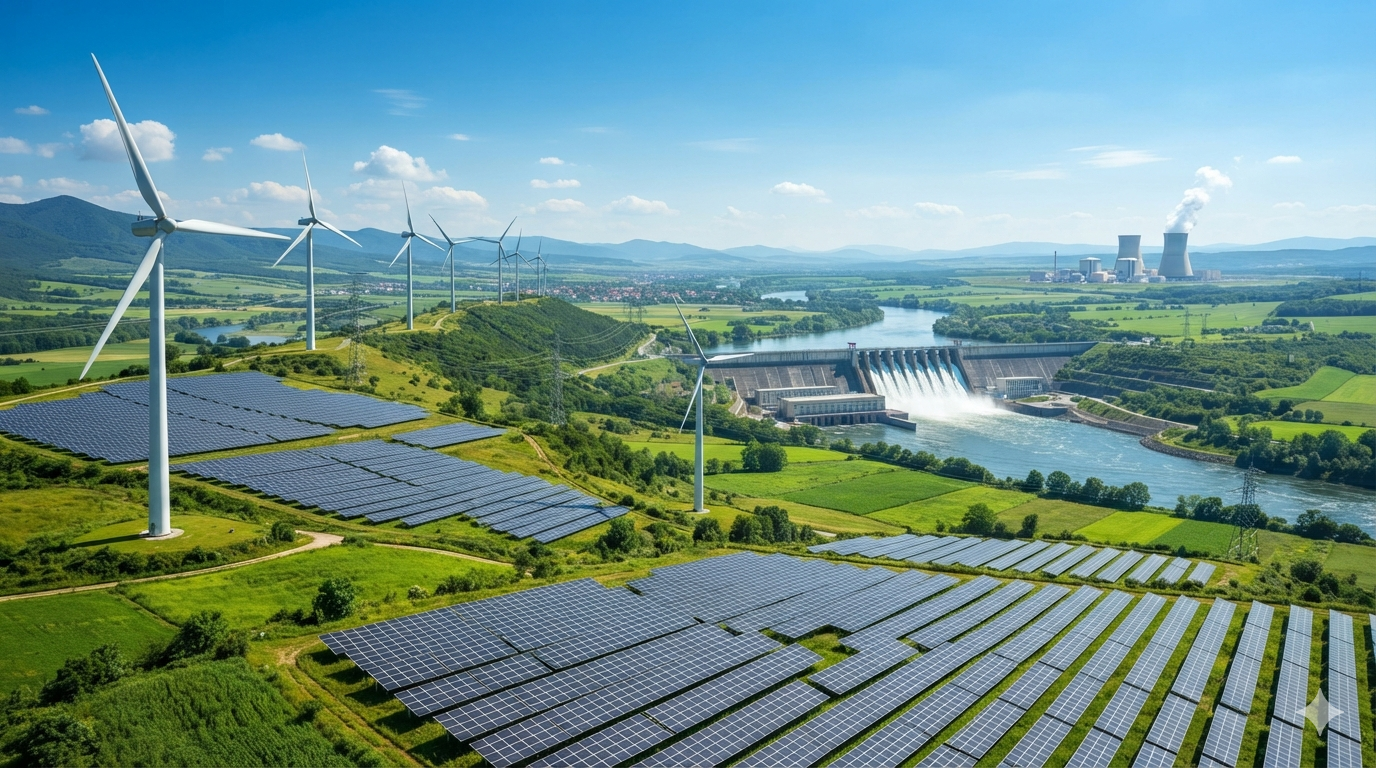
India has achieved a major milestone in its clean energy journey by crossing 300 GW of installed non-fossil fuel-based electricity generation capacity as of July 31, 2026. The achievement marks significant progress towards the country’s target of reaching 500 GW of non-fossil fuel power capacity by 2030 and reflects the growing role of clean energy in India’s electricity sector.
According to the Ministry of New and Renewable Energy, India’s total installed non-fossil fuel power capacity now stands at 300.50 GW. This represents more than 60 per cent of the national target of 500 GW to be achieved by the end of this decade.
The ministry said the milestone highlights the country’s steady progress towards building a self-reliant energy ecosystem while supporting its long-term climate and clean energy goals. It also reflects the impact of policy measures introduced by the government to expand renewable and other non-fossil energy sources across the country.
Solar power continues to be the largest contributor to India’s non-fossil fuel capacity. The country has installed 164.59 GW of solar power, making it the single biggest source of clean electricity among all non-fossil fuel technologies. Wind power follows with an installed capacity of 58.14 GW.
Hydropower, including both large and small hydro projects, contributes 57.24 GW to the country’s non-fossil fuel capacity. Bio-power accounts for 11.75 GW, while nuclear energy contributes 8.78 GW. Together, these sources have taken India’s total installed non-fossil fuel electricity generation capacity to 300.50 GW.
The ministry also noted that India’s total installed electricity generation capacity currently stands at around 552 GW. With non-fossil fuel sources contributing more than 300 GW, their share has now crossed 54 per cent of the country’s total installed electricity generation capacity.
The rapid expansion of clean energy capacity has been supported by sustained growth across multiple sectors over the past decade. Solar energy has emerged as the primary driver of this growth. Installed solar capacity has increased from just 2.8 GW in 2014 to nearly 165 GW in 2026, reflecting one of the fastest expansions in the country’s power sector.
The wind energy sector has also recorded substantial growth during the same period. Installed wind power capacity has increased from around 21 GW in 2014 to more than 58 GW, strengthening its contribution to India’s renewable energy mix.
The financial year 2025-26 witnessed the highest annual addition of non-fossil fuel electricity generation capacity in the country. During the year, India added a record 55.29 GW of non-fossil fuel-based electricity capacity. Solar power accounted for the largest share of these new installations, contributing 44.6 GW, while wind power added another 6 GW.
The increase in installed capacity has also been reflected in higher electricity generation from renewable energy sources. According to the ministry, renewable energy generation has risen significantly over the past decade. It increased from 190.96 billion units during 2014-15 to 477.79 billion units in 2025-26, indicating a substantial rise in clean electricity production alongside capacity expansion.
Along with expanding generation capacity, India has also strengthened its domestic manufacturing capabilities for the renewable energy sector. The ministry said the Production Linked Incentive (PLI) scheme has played an important role in encouraging the manufacturing of high-efficiency solar photovoltaic modules within the country.
As part of these efforts, the enlisted manufacturing capacity under the Approved List of Models and Manufacturers (ALMM) for solar PV modules has crossed 200 GW. This marks a sharp increase from 2.3 GW in 2014 and reflects the country’s focus on developing indigenous manufacturing capabilities to support future renewable energy expansion.
The ministry stated that strengthening domestic manufacturing is expected to improve supply chain resilience while supporting India’s objective of building an Aatmanirbhar energy ecosystem. The expansion of local manufacturing capacity is also intended to reduce dependence on imports and support the growing demand for solar installations across the country.
The government said the clean energy transition is no longer limited to addressing climate-related goals. It has become an important part of India’s efforts to strengthen industrial competitiveness, enhance energy security and improve long-term economic resilience through greater adoption of non-fossil fuel energy sources.
In addition to expanding renewable electricity generation, the Ministry of New and Renewable Energy is also implementing the National Green Hydrogen Mission. The initiative aims to promote the production, use and export of green hydrogen and its derivatives while supporting industrial decarbonisation and the development of new clean energy industries.
With installed non-fossil fuel capacity now exceeding 300 GW, India has crossed another significant milestone in its energy transition. The latest figures indicate continued progress towards achieving the country’s target of 500 GW of non-fossil fuel-based electricity generation capacity by 2030.
Subscribe Deshwale on YouTube
