



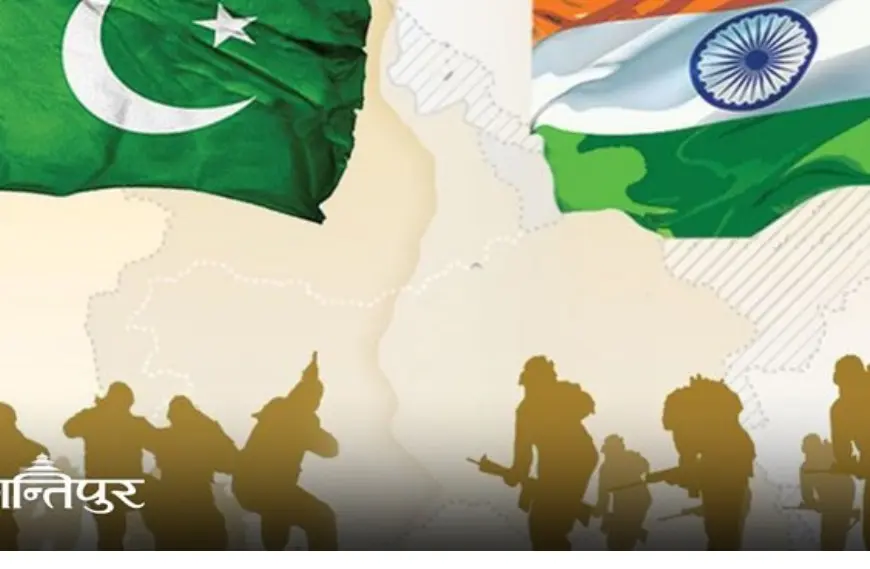
India and Pakistan have agreed to a full and immediate ceasefire, bringing a dramatic end to several days of intense cross-border hostilities and rising regional tensions. The breakthrough came following high-level negotiations mediated by the United States and backed by international diplomatic pressure.
The conflict escalated after a deadly terrorist attack in Pahalgam, Jammu and Kashmir, on 22 April, in which 26 civilians lost their lives. India held Pakistan-based terrorist groups responsible, prompting it to launch “Operation Sindoor” – a series of precision strikes on 7 May targeting terror infrastructure in Pakistan-administered Kashmir and areas of Punjab province.
In retaliation, Pakistan initiated drone and missile strikes against Indian military targets, leading to casualties on both sides and raising alarm over the possibility of a full-scale war between the nuclear-armed neighbours.
The situation quickly spiralled, prompting global powers to intervene. The United States took the lead in brokering a ceasefire, with support from allies including Saudi Arabia and Turkey. The negotiations lasted several hours overnight, culminating in the announcement of a ceasefire agreement.
Both countries officially confirmed the ceasefire, which took effect at 5:00 PM local time on 10 May. The agreement includes a comprehensive cessation of hostilities across land, air, and sea domains.
While the ceasefire has brought relief to both civilians and military personnel along the Line of Control and International Border, experts remain cautious. Security analysts stress that unless deeper political and diplomatic issues are addressed, this fragile peace could be short-lived.
The international community continues to urge both nations to maintain dialogue and work towards a long-term resolution to their disputes, particularly in relation to terrorism, border management, and regional security.
