



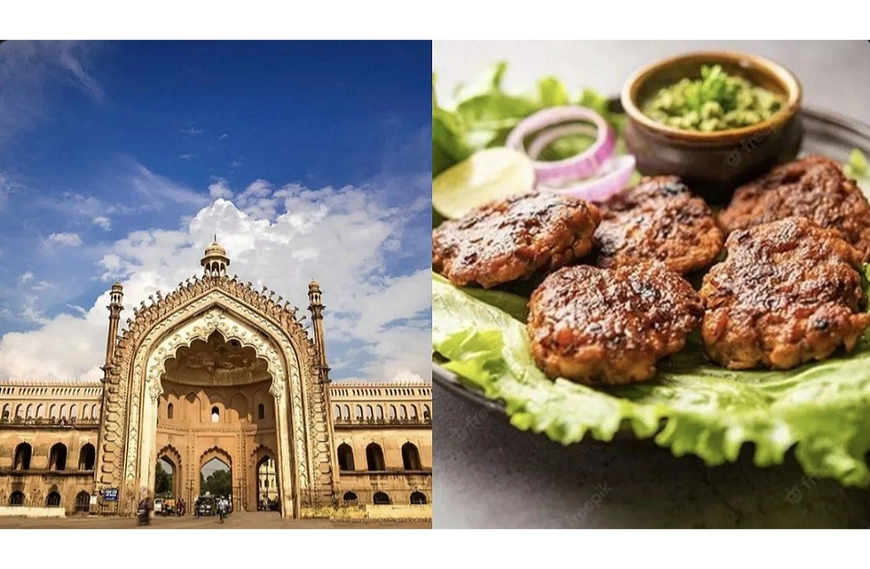
When Lucknow was officially designated a Creative City of Gastronomy by UNESCO on 31 October 2025, the recognition was seen not only as a mark of culinary heritage but also as an opportunity for the city’s small food entrepreneurs.
This honour places Lucknow among fewer than 70 global “Cities of Gastronomy” under the UNESCO Creative Cities Network and makes it the second Indian city to receive this title after Hyderabad.
A platform for visibility
Many small vendors operate in the narrow lanes and bustling markets of Lucknow. With the UNESCO tag, the city’s food heritage is now recognised on a global stage. The award celebrates the entire food ecosystem from royal kitchens to street stalls giving street vendors a chance to gain visibility and attract more visitors.
For a kebab seller or chaat vendor, this means becoming part of a larger narrative that defines the city’s cultural identity. The recognition could lead to higher footfall, better publicity, and inclusion in tourism circuits.
Market access and training
Lucknow’s proposal for the UNESCO tag highlighted the need to boost training and improve access to markets for local food businesses. This recognition now opens doors for new initiatives such as:
- Training programmes for vendors on hygiene, presentation, and safe cooking.
- Support for sourcing local produce, improving packaging, and developing small-scale branding.
- Opportunities to participate in food festivals and events linked to tourism.
Such initiatives can help street vendors compete fairly and expand their reach while maintaining traditional recipes and methods.
Integrating the informal food economy
A large part of Lucknow’s food scene exists in the informal economy, where vendors often lack secure spaces and face regulatory uncertainty. The UNESCO recognition strengthens the case for formal support. The local administration has already discussed creating dedicated vending zones to provide better infrastructure and facilities.
These vending zones can include lighting, drainage, waste management, and seating areas — all of which improve working conditions and customer experience. By doing this, small vendors can run their businesses safely and sustainably.
Sustainability and traditional cuisine
UNESCO’s criteria for Cities of Gastronomy highlight sustainable food practices, use of indigenous ingredients, and preservation of traditional knowledge. For Lucknow, this aligns perfectly with its food traditions from dum pukht cooking to time-tested family recipes.
This gives small vendors who use age-old methods and locally sourced ingredients an edge. Their food is not just tasty but represents an officially recognised cultural asset. This can attract visitors who seek authentic culinary experiences.
Entrepreneurship and job creation
When small food businesses grow, they create jobs. With more attention on Lucknow’s culinary heritage, new opportunities can arise in areas such as packaging, local delivery, catering, and small food processing.
Young people may now see food vending, café ownership, or mobile kitchen ventures as respectable career paths. The city’s food entrepreneurs could become local brands, adding value to the economy while keeping traditional skills alive.
Challenges on the ground
While the recognition is promising, challenges remain. Many small vendors still lack capital, training, or access to clean water and facilities. Rising rents in popular areas could make it difficult for them to continue.
There is also a risk that only a few well-known eateries benefit from the tourism boom while smaller or lesser-known vendors are left behind. It is essential that the benefits of the UNESCO status reach every level of the city’s food economy.
To make the most of this recognition, Lucknow will need to:
- Map and support all local food vendors through formal registration.
- Offer regular training programmes in hygiene, cooking, and marketing.
- Include vendors in city-wide food festivals and tourism campaigns.
- Provide infrastructure such as vending zones and waste-management systems.
- Protect lesser-known trades such as halwa makers, paan sellers, and sweet shops.
The UNESCO title will be reviewed every few years, which means the city must show progress not just in tourism but also in inclusive growth.
A Shared Success
For many small vendors, the UNESCO honour brings hope. Their daily efforts to preserve Lucknow’s authentic flavours have finally received global recognition. If the city ensures that growth includes these small players, the tag will stand for more than prestige; it will represent empowerment.
Lucknow’s streets have always been its open kitchens. Now, with the world watching, the people behind those kitchens may finally get the recognition and support they deserve.
