







Consider a woman like Sunita, a 42-year-old mother of two in a small village outside Pune. She checks her bank account every month. The Rs 1,500 from the Mukhyamantri Majhi Ladki Bahin Yojana has meant extra groceries, a bit for her children’s school fees, and sometimes just a quiet sense of control over her own spending. Launched in July 2024, the scheme aimed to put cash directly into the hands of low-income women, promising a step towards financial independence.
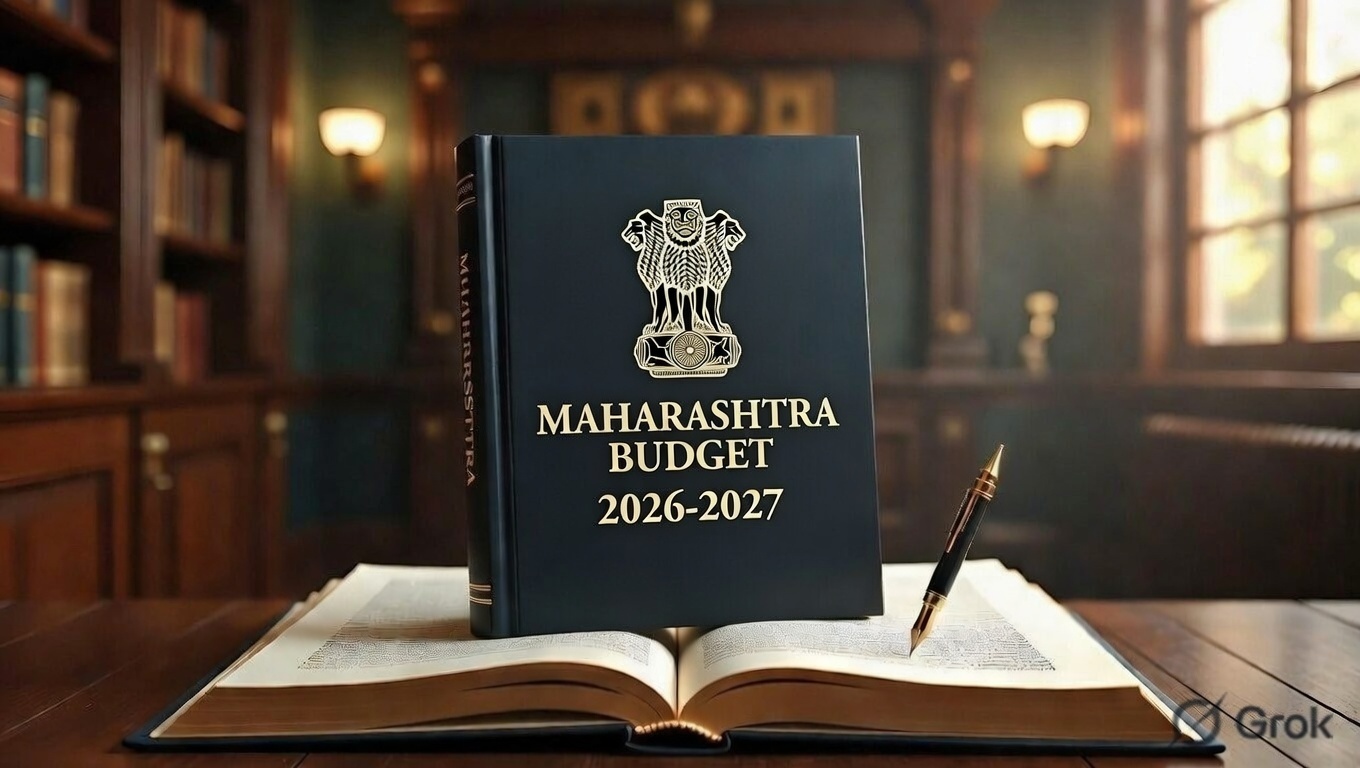
When Chief Minister Devendra Fadnavis presented the FY27 budget on 6 March 2026, the allocation for the programme dropped 26 per cent to Rs 26,500 crore from Rs 36,000 crore in FY26. Yet Fadnavis was clear: the scheme will continue, with adequate funds ensured. This move, driven by a beneficiary verification drive, reflects fiscal tightening in a state chasing ambitious growth while managing debt.
The budget, with Fadnavis holding the finance portfolio, sets the total outlay at Rs 7.69 lakh crore and projects 7.9 per cent economic growth. Highlights include farm loan waivers up to Rs 2 lakh and power bill relief. The Ladki Bahin adjustment has drawn attention in households and policy discussions. Is it prudent housekeeping or a scaling back of popular welfare? Let’s examine it from several angles.
Behind the Numbers: Verification Drives the Adjustment
Budget documents peg the FY27 physical target at 1.53 crore beneficiaries, down from a peak of about 2.43 crore. Aadhaar-linked checks and cross-verification with income and other databases removed duplicates and ineligible entries, curbing potential leakage. At Rs 1,500 per month, supporting 1.53 crore women annually would cost roughly Rs 27,540 crore, aligning closely with the Rs 26,500 crore provision (broken down as Rs 21,000 crore general, Rs 3,000 crore Scheduled Castes, Rs 2,500 crore Tribal Area Sub Plan).
Officials frame this as fiscal discipline rather than cuts. The FY26 allocation started at Rs 36,000 crore but required supplementary grants of Rs 6,102 crore as enrolments surged, pushing effective spending higher. With the cleaned-up list, the new figure matches reality. Fadnavis reinforced this in his speech, stating the scheme would continue with adequate funding. The promised hike to Rs 2,100 per month remains pending, a point some beneficiaries note quietly. Still, the assurance tempers concerns about abrupt withdrawal.
Women’s Empowerment: Real Gains Amid Steady Support
For many, the scheme has been transformative. In rural Jalgaon or urban fringes, women report better savings, more household decision-making power, and occasional small ventures funded by the transfers. Surveys suggest 83 per cent of recipients are married, often from families below Rs 2.5 lakh annual income. Local shops in Nashik and Ahmednagar have seen modest revenue boosts from increased spending.
The trim raises valid questions about access. Will tighter numbers squeeze marginal cases, especially in tribal areas where delays already occur? Some analyses show mixed labour market effects: the cash empowers those with few options, though it might reduce pressure for low-wage work in certain households. That’s not necessarily negative if it allows better choices. Beneficiaries express a mix of relief and caution. “It’s still coming, and they say it’ll keep coming,” one in Solapur said. Awkward as it sounds, the verification has weeded out fakes but left genuine applicants proving eligibility. The government’s “adequate funds” pledge offers reassurance that payments won’t halt.
Political Echoes
Shifting gears a bit abruptly here, politics plays its part. The Mahayuti alliance leaned heavily on Ladki Bahin in the 2024 polls, crediting it for higher women voter turnout in key areas. Post-victory, the adjustment feels pragmatic. Fadnavis’s budget speech reaffirmed commitment to women’s welfare, with explicit words on continuation and funding. Opposition murmurs exist, but the narrative stays measured. This section’s shorter, but budgets often hit politics briskly. The alliance delivered on farm relief promises, balancing the ledger elsewhere.
Rural Lens: Ties to Agrarian Realities
In Maharashtra’s villages, where Marathwada droughts or Punjab-style surpluses shape daily life, Ladki Bahin overlaps with farming. Many recipients are from smallholder families, using the cash for health, education, or minor farm inputs amid gaps in crop insurance or water access. For 78 per cent small farmers, direct transfers cut out middlemen, echoing minimum support price debates.
The adjustment could ripple through rural budgets. Less per-household flow might mean tighter spending on soil tools or schooling. Farmer voices, fresh from past protests, see welfare as reactive rather than structural. It’s not perfect, but it beats nothing, as one villager put it informally. The budget’s AI pilots in 75 villages, concrete road links, and power waivers complement this, potentially aiding women in agri-trading. Yet persistent agrarian distress means cash alone won’t fix deeper issues.
Economic Ripples: Infrastructure Ambition Meets Fiscal Caution
Maharashtra eyes a one-trillion-dollar economy by 2029-30, with FY27 pushing metro expansions, EV incentives, and tourism to 38 crore visitors by 2047. Capital outlay hits Rs 1.50 lakh crore, backed by strong FDI inflows. Revenue grows 11 per cent against 13 per cent expenditure rise, with debt at Rs 9.32 lakh crore and fiscal deficit at 2.7 per cent of GSDP (revenue deficit 0.9 per cent).
Sceptical of glossy claims, the Ladki Bahin tweak looks like necessary housekeeping. Public-private partnerships in ports and grids could ease pressure, but households feel adjustments first. Debt at 18.3 per cent of GSDP isn’t alarming, but it weighs when popular schemes adjust. The “adequate funds” line signals continuity, not expansion, fitting a growth-focused path.
Wrapping Up: Prudence with Promises Intact
Maharashtra’s FY27 budget blends caution and ambition. The 26 per cent allocation drop for Ladki Bahin, rooted in verified numbers, contrasts with Fadnavis’s clear vow of continuation and adequate support. For women like the one in our opening example, it remains a lifeline, steady if not growing. Rural and urban threads intertwine with infrastructure goals, testing whether this balance delivers for all. Budgets are human things, imperfect yet vital. With farm relief delivered and women’s welfare affirmed, the state pushes forward, debt managed, towards bigger horizons.
Subscribe Deshwale on YouTube


