



Mumbai, August 18, 2026: OpenAI has launched ChatGPT for Teens, a new experience designed to help teenagers learn, think critically and use artificial intelligence in a safer, age-appropriate way.
The new experience brings learning tools and stronger safety measures together in one place. It is designed for teenagers aged 13 to 17 and aims to support learning both inside and outside the classroom.
As AI becomes more common in education and everyday life, teenagers are using these tools to understand subjects, complete assignments and explore new ideas. However, the growing use of AI has also raised concerns about online safety, over-reliance on technology and exposure to unsuitable content.
OpenAI says ChatGPT for Teens is designed to address these concerns while helping young users build a healthy and responsible relationship with AI.
ChatGPT for Teens Brings New Learning Tools
The new experience includes several features focused on learning and understanding.
One of the main features is Study Mode. Instead of simply providing an answer, it uses guiding questions and step-by-step support to help students work through problems. The approach is designed to encourage deeper learning and independent thinking.
ChatGPT for Teens also includes Responsible Homework Reminders. These reminders aim to discourage students from using AI as a shortcut for schoolwork. Instead, the experience can encourage them to work through problems and understand the ideas behind their assignments.
Students can also use Quizzes and Learning Visualizations to practise concepts and test their understanding. These tools can make revision more interactive and help learners identify areas where they need more practice.
Another feature is Study Hours. Teenagers or their parents can set specific times when Study Mode is turned on by default. This can help create a more structured routine for using AI as a learning tool.
Stronger Safety Protections for Teenagers
Safety is a central part of ChatGPT for Teens.
OpenAI says the experience provides stronger protections by default in areas that may pose higher risks to young users. These areas include self-harm, violence, eating disorders, dangerous activities, and sexually explicit or graphic content.
The system is also designed to identify users who may be under 18. If OpenAI’s systems estimate that someone is under 18, or if the user states that they are between 13 and 17, they can be placed into the ChatGPT for Teens experience.
The new experience also includes Parental Controls. Parents with linked teen accounts can manage selected settings and set Quiet Hours. In limited high-risk situations, they can also receive safety notifications.
For teenagers, the experience includes more frequent reminders to take breaks during extended periods of use. The aim is to encourage more balanced and intentional use of the technology.
Parents Get a New Guide to ChatGPT
Alongside ChatGPT for Teens, OpenAI has launched the ‘Parents’ Guide to Learning with ChatGPT’.
The pocketbook is designed as a practical resource for parents. It explains the ChatGPT for Teens experience, provides guidance on parental controls and offers ideas for supporting learning and building healthy AI habits at home.
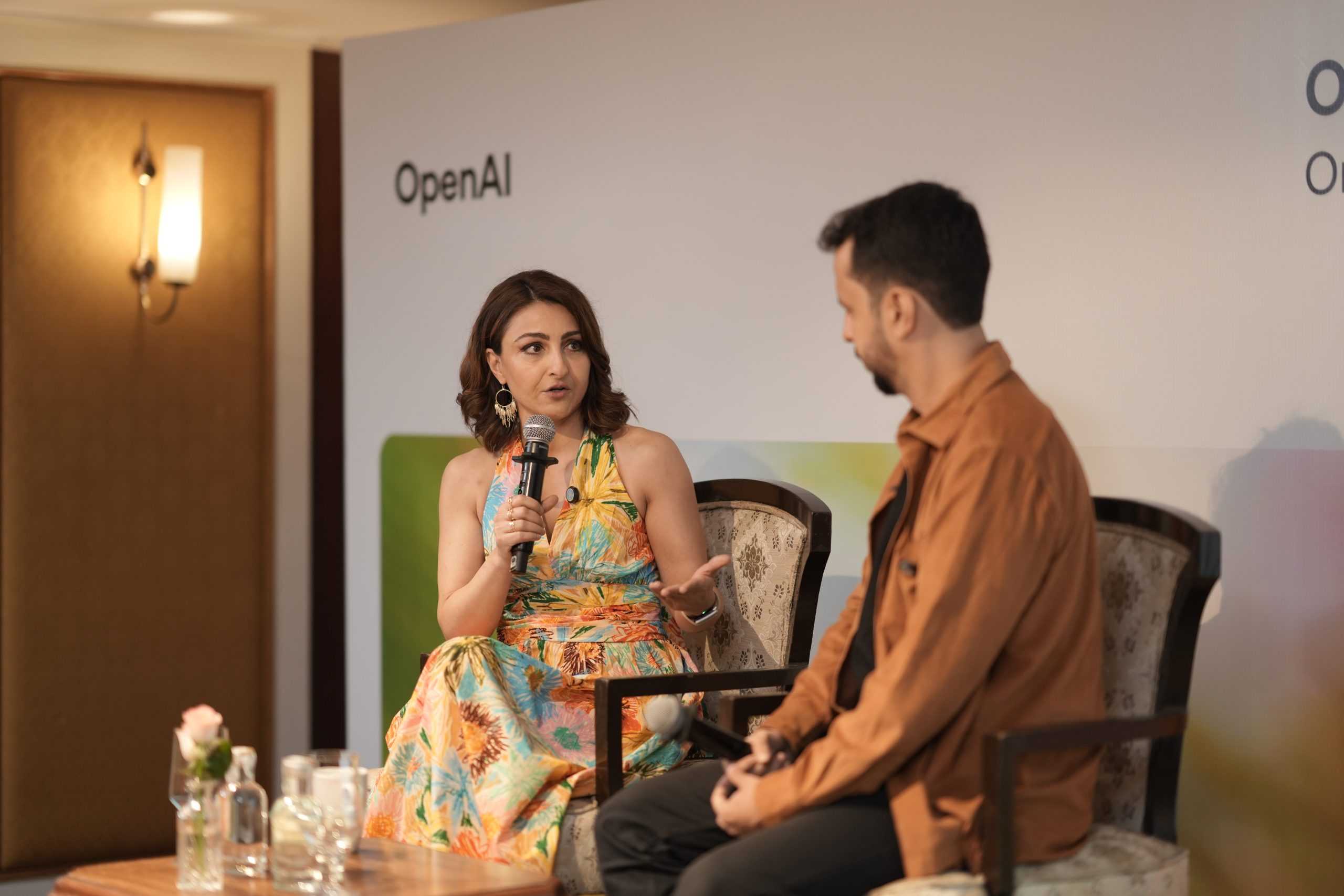
The guide was launched during OpenAI’s ‘Open Dialogues on Youth Safety and AI’ event in Mumbai.
The event brought together parents, educators and public voices to discuss how young people can use AI safely and responsibly. Actors and authors Soha Ali Khan and Tisca Chopra also shared their experiences and perspectives as parents navigating the growing role of AI in children’s lives.
Parents and Educators Remain Important
Pragya Misra, Head of Strategy & Global Affairs, India, OpenAI, highlighted the role of parents and educators in helping young people use AI responsibly.
She said young people should be able to benefit from AI while also having appropriate protections. According to Misra, adults can support this by staying involved, encouraging questions and critical thinking, and helping teenagers develop healthy boundaries around technology.
Soha Ali Khan also stressed the importance of independent judgement. She said children should learn to question what they see and use technology without giving up their ability to think for themselves.
Her comments reflect a growing concern among parents: AI can be a useful tool, but it should not replace a young person’s own judgement, curiosity or creativity.
Tisca Chopra shared a similar perspective. She said learning about features such as Study Mode and Parental Controls helped her better understand how parents can approach AI with their children.
For Chopra, parents do not need to know everything about technology. Instead, they need to be informed enough to ask the right questions, establish thoughtful boundaries and remain involved in how their children use AI.
Building Healthier AI Habits
The launch of ChatGPT for Teens comes at a time when AI is becoming increasingly connected to education and daily digital life.
For teenagers, AI can provide new ways to learn. It can explain difficult concepts, offer practice questions and help students explore subjects beyond traditional classroom materials.
At the same time, responsible use remains important. Students need to understand that AI-generated information can require verification and that using AI should support learning rather than replace it.
This makes features such as Study Mode, Responsible Homework Reminders and Study Hours particularly relevant. They are designed to encourage teenagers to use AI as a learning partner rather than simply as an answer-generating tool.
OpenAI’s Focus on Age-Appropriate AI
With ChatGPT for Teens, OpenAI is bringing learning and safety features together in an experience specifically designed for younger users.
The combination of stronger protections, learning tools and parental controls gives teenagers a more structured way to interact with AI. At the same time, the Parents’ Guide gives families practical information to understand and manage that use.
The launch also highlights a wider shift in the conversation around artificial intelligence. As young people gain greater access to AI tools, technology companies, parents and educators face the shared challenge of making that access useful, safe and responsible.
Ultimately, helping teenagers navigate an AI-powered world will require more than technology alone. Young users need opportunities to explore and learn, while parents and educators need the tools to guide them.
OpenAI’s ChatGPT for Teens, along with its Parents’ Guide and safety features, is aimed at supporting that balance. The broader goal is to help teenagers benefit from AI while continuing to develop the critical thinking, judgement and healthy digital habits they will need in the real world.
Subscribe Deshwale on YouTube
