



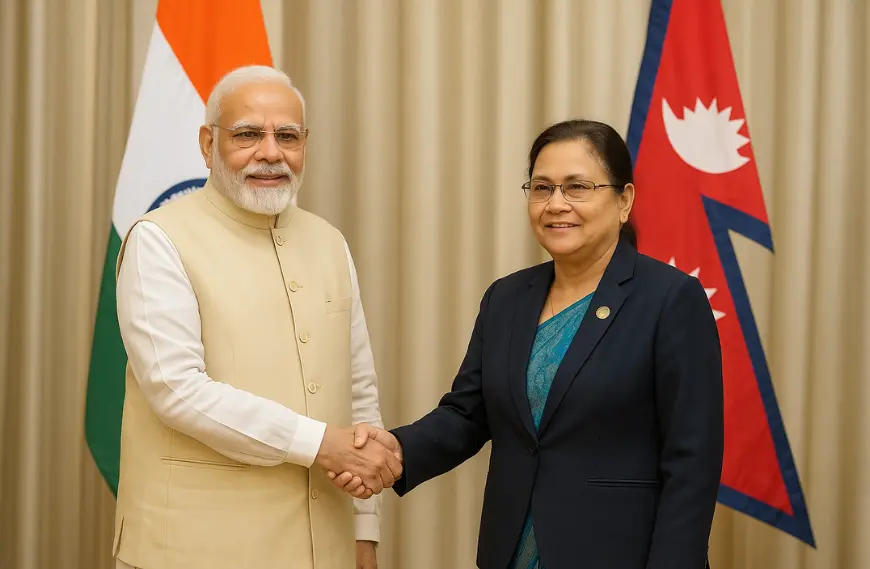
Prime Minister Narendra Modi recently held a conversation with Nepal’s interim Prime Minister Sushila Karki, reaffirming India’s steadfast support for Nepal’s political stability during its transitional phase. The discussion highlighted India’s commitment to fostering peace and continuity in governance as Nepal navigates the challenges following the resignation of the previous government amid widespread youth-led protests. PM Modi’s outreach underscores the importance India places on strong diplomatic ties and the role of regional cooperation in ensuring stability in South Asia.
India’s support comes at a crucial time when Nepal is undergoing political restructuring, and the interim administration is tasked with maintaining governance and preparing for the next steps toward a democratically elected government. By engaging directly with PM Karki, India not only signals solidarity but also reinforces the importance of peaceful political transitions and institutional resilience.
Experts note that India’s approach reflects a broader strategy of constructive diplomacy, where active engagement with neighboring countries during sensitive political periods helps sustain regional stability. The conversation between PM Modi and PM Karki sends a clear message of partnership, collaboration, and mutual respect, emphasizing that India remains committed to Nepal’s sovereignty while supporting efforts to strengthen democratic institutions.
This interaction illustrates the nuanced role of diplomacy in South Asia, where political transitions in one country have implications for the wider region. By prioritizing dialogue and engagement, India seeks to ensure that Nepal’s interim government can function effectively, while also demonstrating the enduring ties that bind the two nations.
