



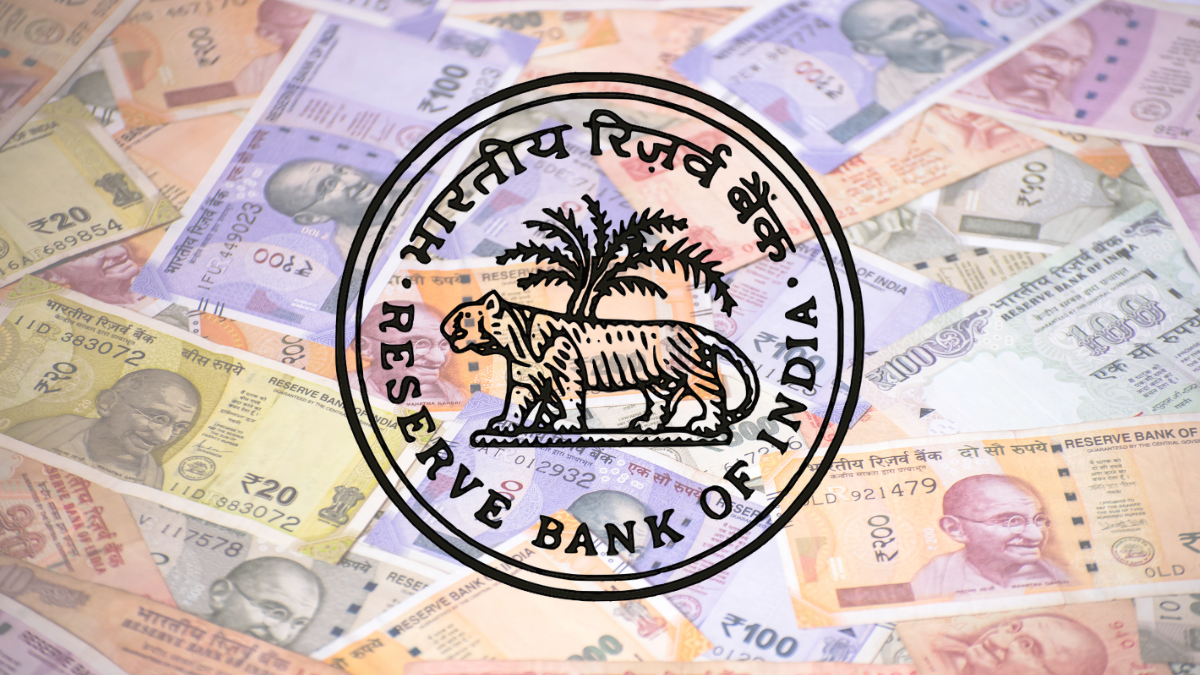
RBI Orders Banks to Stock ₹100, ₹200 Notes in ATMs
The Reserve Bank of India (RBI) has directed banks to ensure that ATMs are stocked with more ₹100 and ₹200 notes. The move aims to tackle the issue of inadequate small denominations available at ATMs, which has caused customer inconvenience.
What’s the Problem?
Customers have been struggling to withdraw small notes from ATMs, as machines often dispense higher-value notes, particularly ₹500 and ₹2,000. This creates challenges for individuals needing smaller notes for daily transactions, especially in tier 2 and tier 3 cities.
RBI has responded to the growing demand for accessible change by directing banks to review cash-loading practices and ensure the availability of ₹100 and ₹200 notes.
What Banks Must Do
As part of the RBI directive, banks must:
- Ensure a more equitable distribution of ₹100 and ₹200 notes in ATMs
- Monitor cash-loading patterns to ensure small notes are available
- Audit and track how ATMs dispense these denominations
- Act quickly, especially in smaller cities, to improve availability
This adjustment follows concerns raised by the public and various sectors, pointing out that the higher-value notes were being dispensed predominantly, leading to change-related issues.
Why It Matters
Small notes like ₹100 and ₹200 are critical for everyday transactions, particularly for vendors, local businesses, and customers who prefer to avoid the hassle of dealing with large denominations.
This RBI move seeks to ensure smoother cash transactions for millions of people, especially in regions where access to smaller notes is limited.
