



AI Generated image
Food vloggers and travel vloggers are a part of our lives now, almost as much as doomscrolling is. Subconsciously, we admire their lifestyles so much that we are not even aware if we are following them in our own lives.
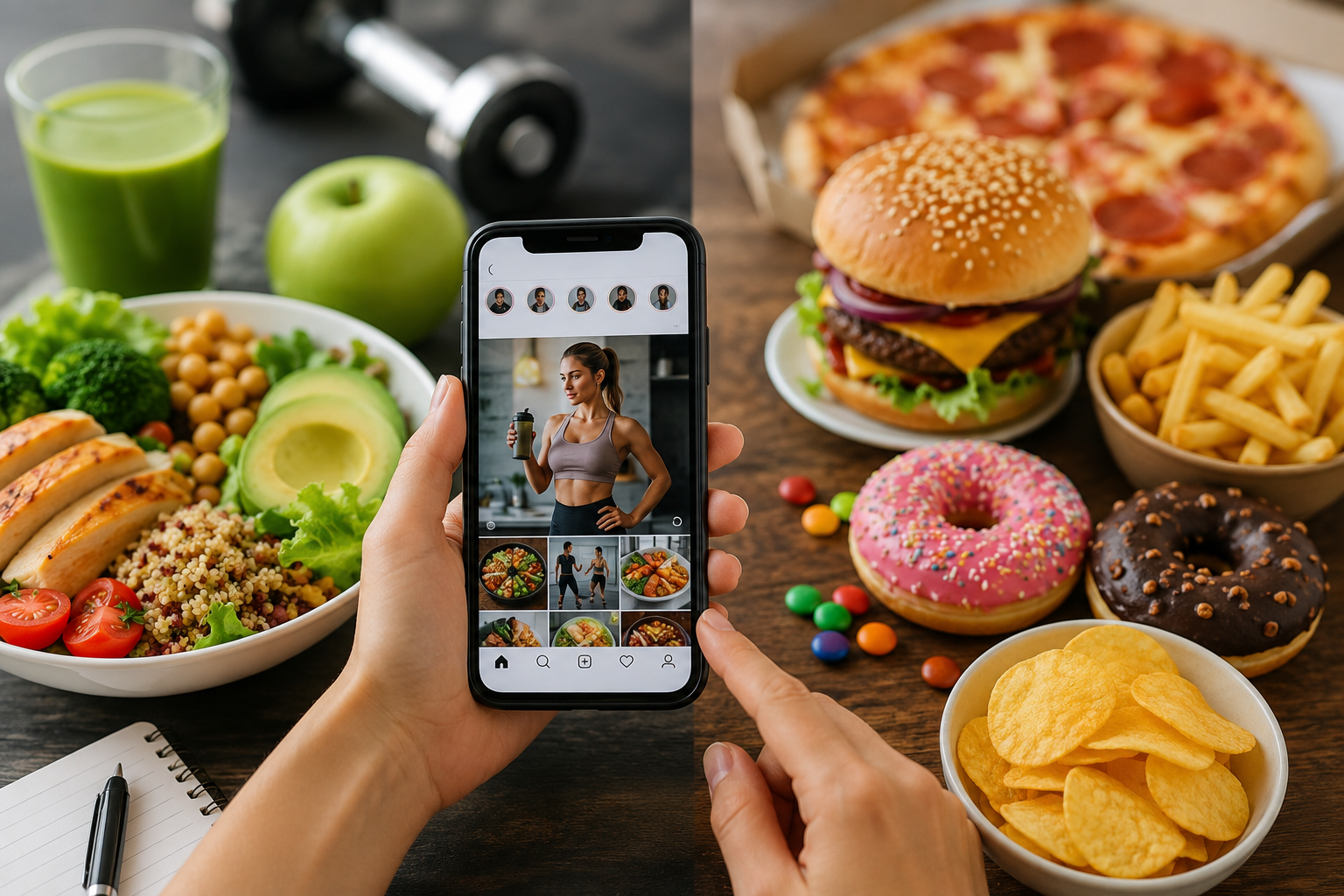
Seeing healthy food content has become a trend. Someone making their protein shake after the gym or seeing someone run 20 kilometers while all dressed up makes you want to do the same. This is how social media has indirectly influenced our food habits and lifestyle.
The healthy side of social media
But whether this influence is good or bad is for you to decide. Some people have started counting how much protein broccoli has or how much protein chicken contains. People who once preferred junk food have now started consuming and cooking healthier, homemade meals, simply inspired by food influencers on social media.
People’s focus has also shifted from eating and trying unique, tasty foods to healthy, protein-rich, and tasty foods. All thanks to influencers who create content such as “Healthy meals in 10 minutes” or healthy and tasty food series for hostel and PG students.
A study that examined more than 1,000 students in the field of mental health science found that over half of the participants had altered their dietary habits because of social media. It also showed that more than 75 per cent of the participants were inspired to make healthier food choices through the content they consumed online.
Another study published in the International Journal of Research Trends and Innovation showed that around 40 per cent of people actively followed healthy food content online and were influenced by health creators.
The unhealthy side of food trends
But on the contrary, people also admitted that social media influenced them to consume more junk food. There are vloggers who regularly visit new places just to try food from different restaurants and promote or advertise those outlets. People who admire and get inspired by such content often end up trying these places without considering the fact that most of it is junk food.
While some people are influenced to eat more protein-rich food, the flip side of the coin is equally concerning. The popular “What I Eat in a Day” trend is followed by many without consulting a doctor or nutritionist. Directly following someone else’s diet without understanding your own body type, nutritional needs, or eating habits may do more harm than good.
It was in August 2023 that the Advertising Standards Council of India (ASCI) stated that influencers must properly disclose their qualifications, registration, or certification details before sharing or promoting any health-related content, products, or services. However, the influence of such accounts, whether good or bad, is still going strong.
The choice is ours
Following food influencers has both good and bad sides. On one hand, they inspire people to eat healthier and become more aware of nutrition. On the other hand, they also encourage people to try unhealthy food trends and blindly follow diets that may not be suitable for everyone. Ultimately, it is up to us to decide what we want to watch, what we choose to follow, and which habits we carry forward in our own lives.
Subscribe Deshwale on YouTube
