



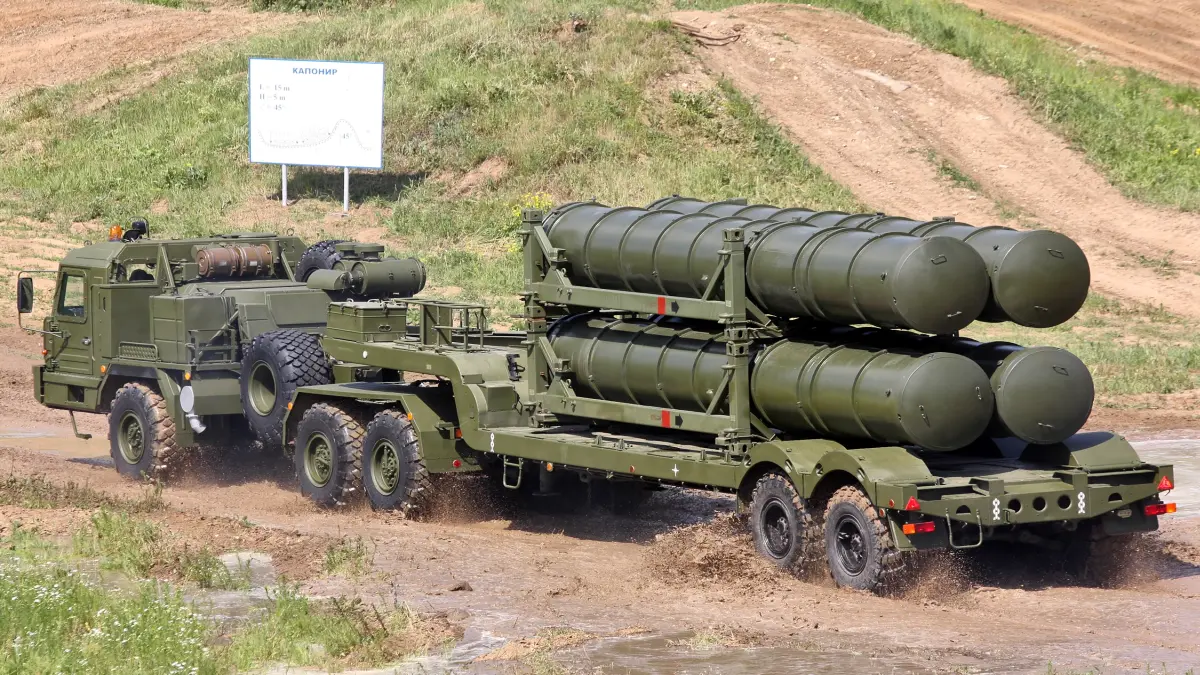
India’s skies turned into a battlefield this week as Pakistan launched a wave of drone and missile attacks. India responded with unmatched precision, deploying its advanced S-400 Triumf air defence system to intercept and neutralise the threats.
Multiple Threats, One Swift Response
The first wave hit late Tuesday night. Pakistan reportedly launched several drones and short-range missiles targeting border areas in Punjab and Rajasthan. Within minutes, India’s integrated air defence system was activated.
The S-400 system, stationed in the northern sector, locked onto incoming aerial threats. A series of quick-fire interceptions followed. By dawn, over two dozen Pakistani drones and missiles were shot down.
S-400 in Action: Target Neutralised
The Russian-made S-400, acquired by India in 2021, proved its worth. Known for its long-range radar and precision strike capabilities, it tracked and eliminated targets up to 400 km away.
The system used a layered defence strategy—first identifying threats through high-frequency radar, then launching missiles with kill-precision. Indian defence officials confirmed zero breach of strategic assets or civilian zones.
Backup from Spyder and Akash Systems
While the S-400 took centre stage, other systems joined the fight. The Israeli-made Spyder system tackled low-flying drones. India’s indigenous Akash missile system covered short-range aerial intrusions.
This multi-tiered defence shield, deployed across key regions, showcased India’s readiness to repel coordinated aerial threats.
What Makes the S-400 So Effective?
The S-400 is a mobile, surface-to-air missile system. It detects, tracks, and destroys aircraft, drones, and even hypersonic missiles. It can engage 36 targets at once and launch up to 72 missiles in a single round.
Its ability to engage targets across multiple altitudes and ranges gives it dominance in modern warfare. India has already deployed three S-400 units, with two more expected soon.
The Sudarshan Chakra: Aerial Protection Reimagined
The Defence Ministry dubbed the coordinated defence setup as India’s “Sudarshan Chakra”—a reference to a mythical spinning weapon. This name now symbolises India’s real-time, round-the-clock air defence grid.
The system combines imported tech like S-400 and Spyder with indigenous systems, satellites, and command centres. It’s designed not just for interception but also early warning and tactical response.
Strategic Takeaways
Pakistan’s strike attempt has failed. But it has reaffirmed the need for high-tech defence systems. India’s use of S-400 has not only secured its airspace but sent a clear message: the country is ready and alert.
While the situation remains tense along the border, India’s successful interceptions have avoided casualties and infrastructural damage.
Authorities have heightened vigilance. Air surveillance continues. Civil aviation is back to normal, though on high alert.
