



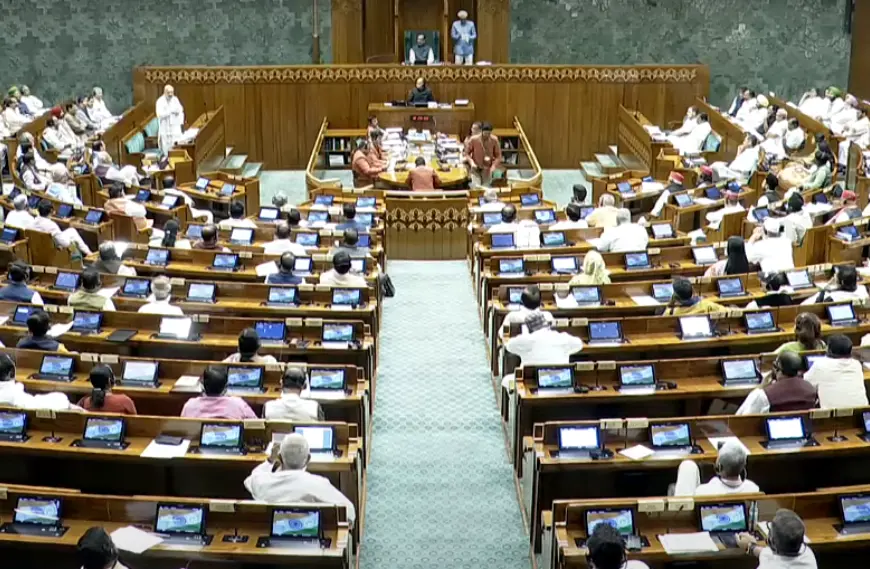
The Lok Sabha has passed the Waqf (Amendment) Bill 2025 after an intense 12-hour debate, with 288 MPs voting in favour and 232 opposing it. The bill introduces significant changes in how waqf properties—Islamic religious and charitable endowments—are governed. The opposition has strongly criticised the move, calling it an attempt to interfere in religious affairs, while the government insists it aims to improve transparency and prevent misuse of these properties.
What is the Waqf Bill?
Waqf refers to properties donated for religious, educational, or charitable purposes in Islam. These include mosques, graveyards, dargahs, madrasas, and other institutions managed by Waqf Boards. The bill seeks to regulate and reform the administration of these properties to ensure they are used correctly.
Key changes introduced by the Bill
- Government control over disputes:
- Previously, waqf tribunals handled waqf property disputes. Now, state and central governments will decide ownership disputes over these properties.
- Previously, waqf tribunals handled waqf property disputes. Now, state and central governments will decide ownership disputes over these properties.
- End of ‘Waqf by User’ rule:
- Land or property historically used for religious purposes can no longer be automatically declared waqf. Proper legal proof is now required.
- Land or property historically used for religious purposes can no longer be automatically declared waqf. Proper legal proof is now required.
- Inclusion of Non-Muslim members:
- The bill mandates the inclusion of non-Muslim representatives in Waqf Boards and the Central Waqf Council for better governance.
- The bill mandates the inclusion of non-Muslim representatives in Waqf Boards and the Central Waqf Council for better governance.
Why is there opposition?
Critics argue the bill weakens community control over waqf properties and gives the government too much power. Concerns include:
- Risk of government takeovers of waqf lands.
- Reduced authority of waqf boards in managing religious properties.
- Possible bias in resolving land disputes.
Opposition parties claim the bill targets a specific community and is an attempt to control religious institutions.
Government’s justification
The government defends the bill, saying it will increase transparency, curb corruption, and prevent illegal occupation of waqf lands. Officials argue that including non-Muslims in Waqf Boards will improve governance and prevent mismanagement.
What’s next?
The bill now moves to the Rajya Sabha for approval. If passed, it will become law. Meanwhile, protests and political debates are expected to continue over the future of waqf governance in India.
