



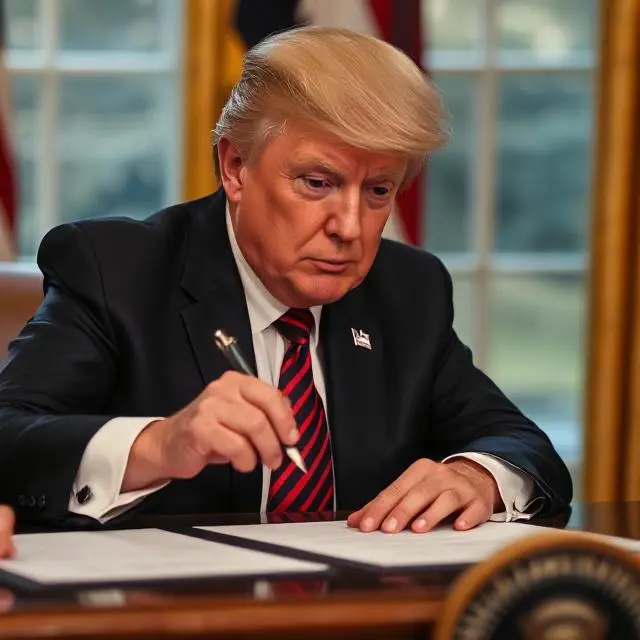
The US government has introduced a controversial executive order barring transgender athletes from competing in women’s sports. The order, signed by Trump, applies to educational institutions and sports bodies nationwide, reinforcing the classification of athletes based on biological sex at birth.
The order impacts school and college sports, aligning federal funding with compliance. Institutions that do not enforce the policy risk losing financial support. The move overturns previous guidelines that allowed transgender athletes to compete based on their gender identity.
The decision has sparked strong reactions from advocacy groups and political leaders. Supporters argue it safeguards fairness in women’s sports, while critics see it as discriminatory and harmful to transgender athletes.
With Los Angeles set to host the 2028 Olympics, questions arise over how the order will affect international sporting regulations. The International Olympic Committee (IOC) maintains its own transgender participation guidelines, which may conflict with the new US policy.
Legal experts predict court battles over the order, citing potential conflicts with civil rights protections. Advocacy groups are preparing to challenge the policy, arguing it violates anti-discrimination laws.
The debate over transgender inclusion in sports is likely to continue, shaping future policies at national and global levels.
