



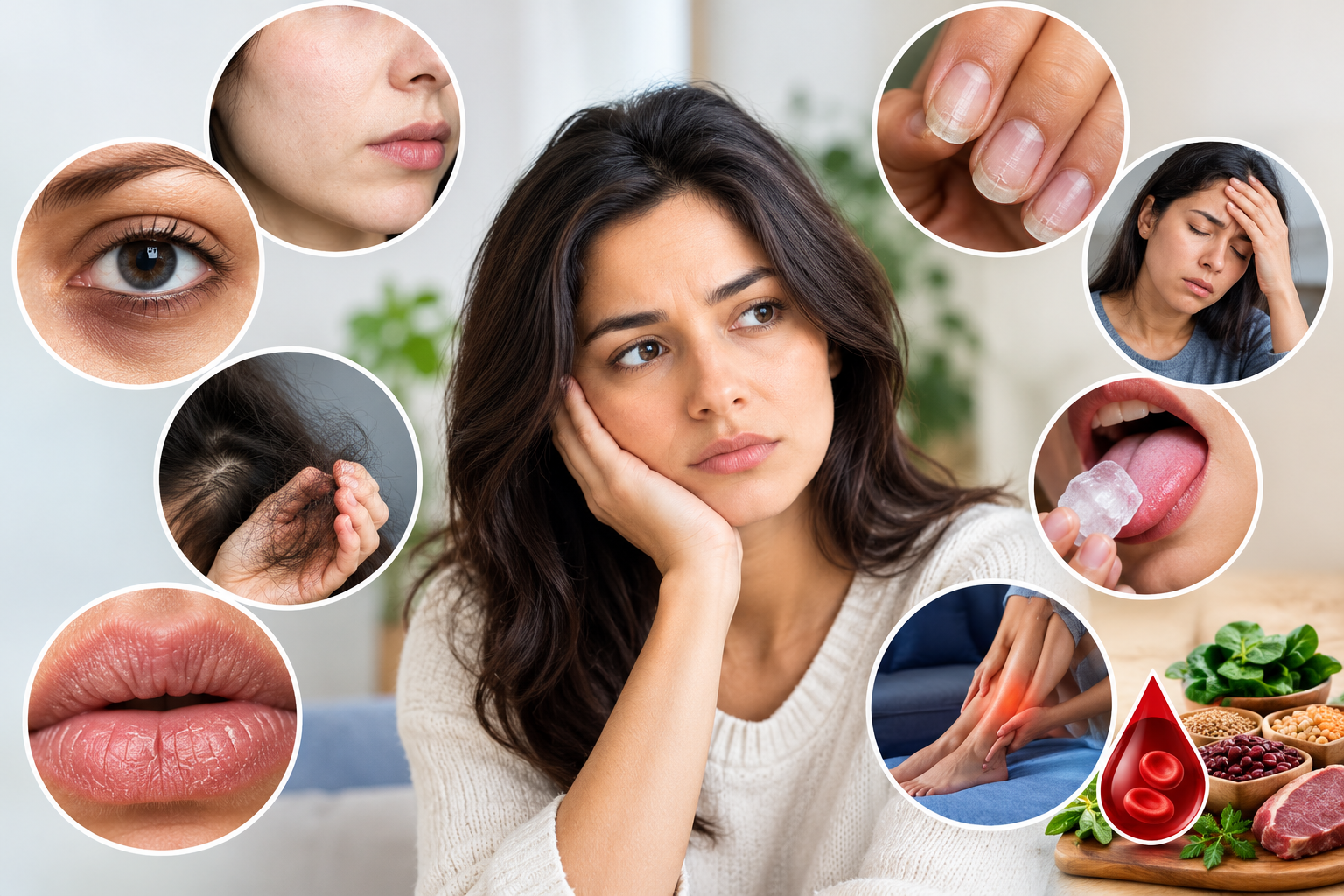
You may blame tired-looking skin on a lack of sleep, dark circles on stress, or hair fall on changing weather. But when several changes appear together, it may be worth paying closer attention to your health. A social media trend called “ferritin face” has recently drawn attention to the possible visible signs of low iron levels.
People are sharing photographs online, claiming that improving their iron levels helped their skin look healthier, reduced hair fall and restored their energy. However, doctors caution against treating these changes as proof of iron deficiency. The term “ferritin face” is not a recognised medical diagnosis, and a person’s appearance alone cannot reveal their iron levels.
Ferritin is a protein that stores iron in the body. A blood test measuring ferritin helps doctors understand the body’s iron reserves. Iron is essential for making haemoglobin, the protein in red blood cells that carries oxygen throughout the body. When iron stores become low, symptoms may develop even before a person is diagnosed with anaemia.
Here are seven signs that may warrant medical attention.
1. Pale or greyish-looking skin
One possible sign of iron-deficiency anaemia is unusually pale skin. The change may also be noticeable around the lips, palms or inside the lower eyelids. It happens because a shortage of healthy red blood cells can affect the colour of the skin.
However, changes in complexion are not always linked to low iron. They can have several causes, and paleness may be harder to recognise in people with darker skin tones. If your skin looks unusually pale and you also experience weakness or persistent tiredness, consult a healthcare professional rather than relying on appearance alone.
2. Persistent dark circles under the eyes
Dark circles are often linked to poor sleep, stress and tiredness. This has led to claims online that they are a sign of low ferritin. However, dark circles alone are not a reliable indicator of iron deficiency.
Genetics, allergies, ageing, skin pigmentation and rubbing the eyes can also contribute to their appearance. If dark circles appear alongside ongoing fatigue, dizziness or breathlessness, it may be worth discussing the combination of symptoms with a doctor.
3. Hair loss or thinning
Finding more hair on your pillow, comb or shower floor can be worrying. Iron deficiency may contribute to hair shedding in some people, as the body needs adequate nutrients to maintain normal functions, including healthy hair growth.
But hair loss has many possible causes. Hormonal changes, thyroid conditions, stress, illness and restrictive diets can also play a role. Sudden or excessive hair loss should not automatically be blamed on low iron. A medical assessment can help identify the cause and determine whether blood tests are needed.
4. Dry, cracked lips or mouth sores
Repeated cracks at the corners of the mouth, a sore tongue or mouth discomfort may sometimes occur alongside iron deficiency. These symptoms can make eating and speaking uncomfortable, particularly when the affected areas become painful.
Dry or cracked lips, however, are also common during cold weather, dehydration or irritation. In some cases, infection or other nutritional deficiencies may be responsible. If the problem keeps returning or does not improve, seek medical advice instead of relying only on lip balms or home remedies.
5. Brittle or spoon-shaped nails
Nails that split, break easily or become unusually thin may be another reason to investigate your health. In more pronounced cases of iron-deficiency anaemia, the nails can develop a spoon-like shape, with the centre appearing sunken and the edges turning upwards. This condition is known as koilonychia.
Everyday habits, frequent exposure to water, harsh nail products and other health conditions can also affect nail strength. Nail changes are more significant when they occur with other symptoms, such as fatigue or weakness. A doctor can help determine whether iron deficiency or another problem is involved.
6. Persistent exhaustion, weakness or breathlessness
Some of the most important signs of iron deficiency have little to do with appearance. You may feel exhausted even after a full night’s sleep, struggle to concentrate or find routine activities more tiring than usual.
If iron deficiency progresses to anaemia, the reduced ability of the blood to carry oxygen can cause weakness, dizziness, headaches, a racing heartbeat or breathlessness during physical activity. These symptoms can have other causes too, but persistent or worsening problems should not be ignored. Severe breathlessness, chest pain or fainting requires urgent medical attention.
7. Craving ice or experiencing restless legs
Some people with iron deficiency develop unusual cravings, including a strong desire to chew ice. This behaviour is known as pagophagia and is a form of pica, which refers to cravings for substances that are not normally considered food.
Another possible association is restless legs syndrome, which causes an uncomfortable urge to move the legs, often when resting or at night. It may interfere with sleep and leave a person feeling tired the following day.
Neither symptom confirms iron deficiency, but persistent ice cravings or restless legs are worth discussing with a healthcare professional, especially when other symptoms are present.
How can you confirm low iron levels?
The safest way to establish whether you have iron deficiency is through medical assessment and blood tests. A doctor may recommend a ferritin test to assess iron stores and a complete blood count to check for anaemia. Depending on your symptoms and medical history, further tests may be necessary.
Several factors can contribute to low iron levels. These include heavy menstrual bleeding, pregnancy, insufficient iron in the diet, problems absorbing nutrients and blood loss from the digestive tract. Identifying the underlying cause is important because treatment depends on the reason for the deficiency.
Foods such as lentils, beans, chickpeas, leafy green vegetables and iron-fortified cereals can contribute to dietary iron intake. Meat and seafood also provide iron for people who eat them. Vitamin C-rich foods, such as citrus fruits, can help the body absorb iron from plant-based foods.
However, diet alone may not be enough to treat an established deficiency. Do not start iron supplements simply because you recognise one or more signs described online. Excess iron can be harmful, and taking supplements without proper assessment may delay the diagnosis of another condition.
The takeaway: Listen to your body, not just the mirror
The growing interest in “ferritin face” has brought attention to a health issue that can sometimes go unnoticed. But dark circles, dull skin or hair fall do not automatically mean your iron levels are low.
The more useful approach is to notice persistent changes in how you look and feel, especially when several symptoms occur together. Seek professional advice if you are concerned, and let appropriate tests guide the next steps.
Your reflection may prompt you to ask questions about your health, but a medical assessment, not a social media trend, can help provide the answers.
Subscribe Deshwale on YouTube
