



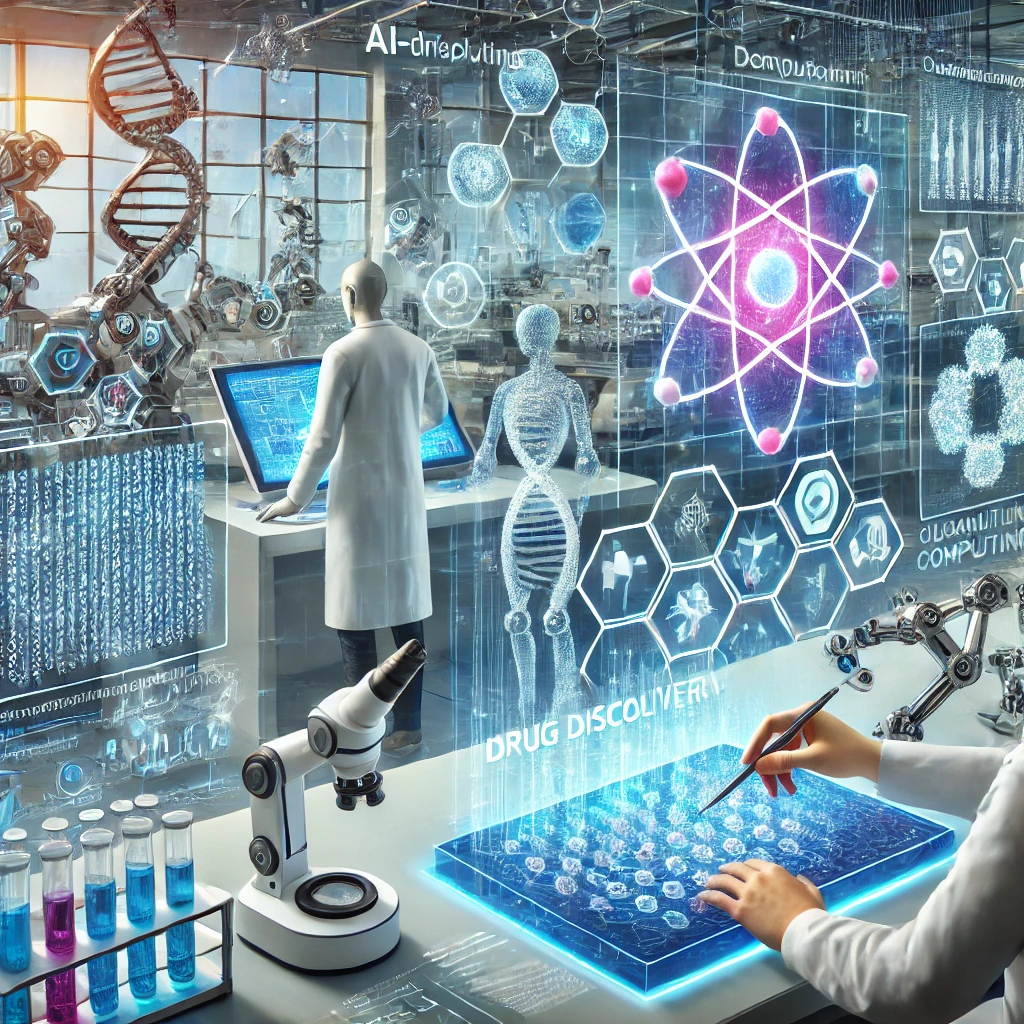
The 9th International Symposium on Current Trends in Drug Discovery Research (CTDDR-2025) kicked off at CSIR-Central Drug Research Institute (CDRI), Lucknow, bringing together scientists, industry leaders, and researchers from around the world. The focus remains on advancements in synthetic chemistry, AI, and quantum computing in pharmaceuticals.
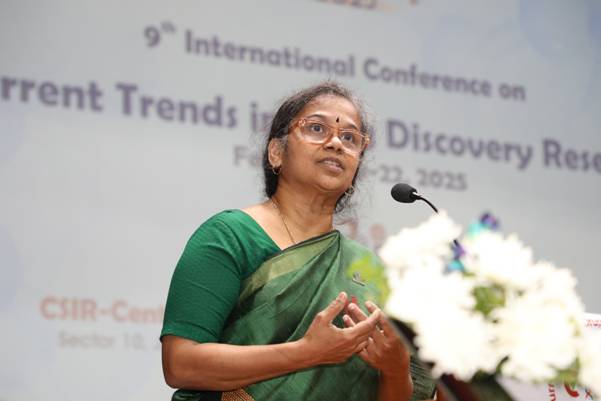
“Science Has No Borders” – A Call for Global Collaboration
CSIR Director General N. Kalaiselvi addressed the gathering, stressing the importance of international cooperation in drug research. “Science has no borders, and this program is a gateway for global collaboration,” she said, urging young researchers to leverage the event for networking and skill-building. She called for efforts to make India a global leader in science and technology by 2047.
Quantum Computing and AI in Drug Discovery
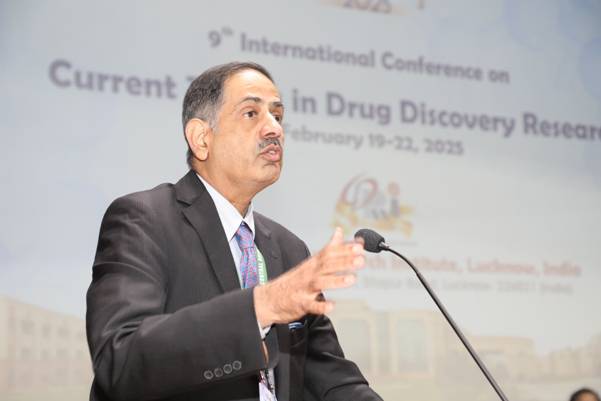
Guest of Honour Balram Bhargava, former Director General of ICMR, highlighted India’s strength in drug discovery, rooted in its rich chemistry heritage. He emphasised the need for new drug discoveries and Active Pharmaceutical Ingredients (APIs) and spoke about the integration of Quantum Computing and AI as a game-changer in pharmaceutical research, helping to accelerate discoveries and reduce costs.
“Collaboration has been a cornerstone of India’s pharmaceutical success,” Bhargava noted, referencing vaccine development as an example. He also underscored the role of market shaping in ensuring that pharmaceutical innovations remain affordable and accessible.
Breakthroughs in Pain Management and Antimicrobial Agents
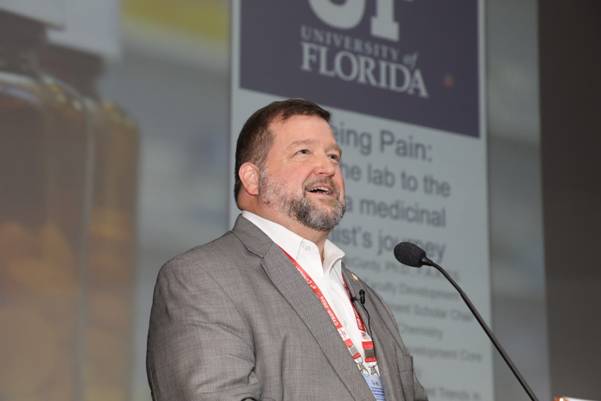
Pain Management Innovation: Christopher Robert McCurdy from the University of Florida presented insights on FTC146, a tracer molecule targeting Sigma-1 receptors, which plays a role in pain processing. He detailed its Phase 1 clinical trials, highlighting its potential for enhancing pain management strategies.
New Antimicrobial Strategies: Courtney C. Aldrich from the University of Minnesota discussed his team’s work in developing novel antimicrobial agents by targeting cofactor biosynthesis. His research focuses on designing inhibitors to tackle drug-resistant infections, including tuberculosis.
Decoding Toll-like Receptors in Immunity
Arindam Talukdar from CSIR-Indian Institute of Chemical Biology, Kolkata, shared his research on endosomal toll-like receptor (TLR) modulators, explaining how chemical modifications can influence agonist-antagonist interactions, potentially shaping future therapeutic developments.
A Global Platform for Cutting-Edge Research
The symposium continues to serve as a hub of knowledge exchange, driving new ideas in drug discovery and pharmaceutical innovation. With discussions on AI, quantum computing, and breakthrough drug research, the event is shaping the future of medicine.
