



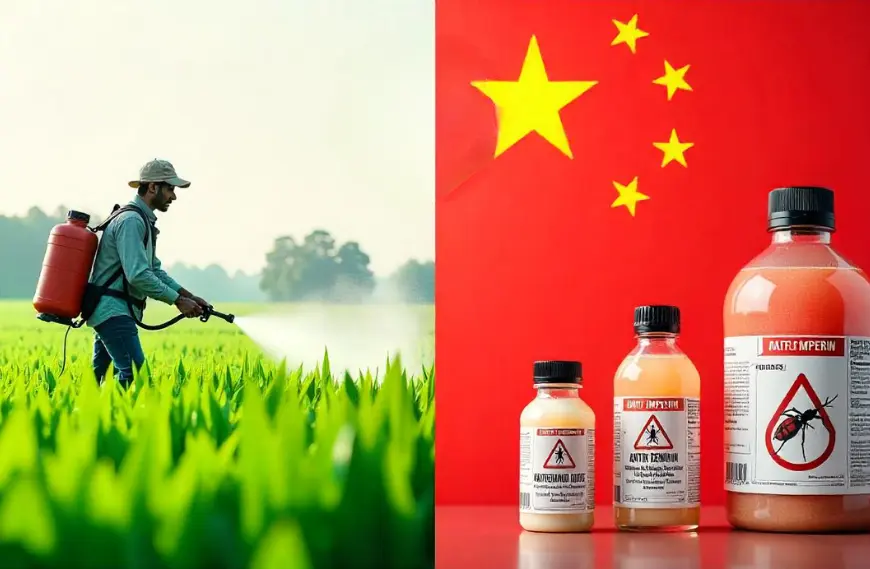
Ever bitten into a crisp apple or admired a vibrant rose garden? Chances are, a chemical called cypermethrin helped make that possible. This pest-busting insecticide is a farmer’s best friend, shielding crops like cotton, corn, tobacco, vegetables, and fruit trees from pesky insects. Indian cypermethrin manufacturers, from industry giants like UPL to specialists like Tagros Chemicals, have been producing this wonder chemical for years, supplying farmers at home and abroad. But now, they are facing a major challenge… China has slapped hefty anti-dumping duties on their exports, starting May 7, 2025. So, what’s cypermethrin, who’s making it in India, and why’s this trade row a big deal?
What is cypermethrin?
Cypermethrin is a synthetic pesticide that wipes out pests like caterpillars, aphids, and beetles by targeting their nervous systems. It’s fast-acting, effective, and widely used to boost crop yields and prevent losses. From protecting tobacco fields to ensuring your tomatoes reach the supermarket, cypermethrin is a game-changer. However, it requires careful handling to avoid risks to human health or the environment. Indian manufacturers have perfected the craft of producing it, positioning India as a global hub for this vital agrochemical.
Who are India’s cypermethrin powerhouses?
India’s cypermethrin industry is brimming with heavyweights. Tagros Chemicals India Pvt. Ltd. is a standout, known for competitive pricing. Gharda Chemicals excels with its robust research and development, while Meghmani Organics Ltd., Bharat Rasayan Ltd., and Heranba Industries Ltd. are trusted players with diverse pesticide portfolios. Then there is UPL Ltd., a titan in India’s agrochemical sector, exporting to markets worldwide, including China. These Indian cypermethrin manufacturers don’t just serve local farmers, they are a cornerstone of the global agricultural supply chain.
Why is China imposing duties?
China, a massive market for cypermethrin, launched an investigation in May 2024, suspecting Indian firms were selling the chemical too cheaply, a tactic known as dumping. By January 2025, they confirmed it… Indian imports were undercutting Chinese producers, causing ‘material damage’ to their domestic industry. China’s response? Anti-dumping duties, effective from today 7, 2025, for five years. They had already introduced provisional measures on January 8, but now the policy is set in stone.
How do the duties break down?
These duties are significant, ranging from 48.4% to a staggering 166.2%, depending on the company. Here’s the breakdown:
| Company | Anti-Dumping Duty |
| Tagros Chemicals India Pvt. Ltd. | 48.4% |
| Gharda Chemicals | 75.7% |
| Meghmani Organics Ltd. | 62% |
| Bharat Rasayan Ltd. | 62% |
| Heranba Industries Ltd. | 62% |
| UPL Ltd. | 166.2% |
| Other Indian companies | 166.2% |
Tagros faces the lowest rate at 48.4%, likely due to less aggressive pricing. Gharda’s hit with 75.7%, while Meghmani, Bharat Rasayan, and Heranba each face 62%. UPL and smaller firms are grappling with the highest rate, 166.2%. These added costs could make it harder for Indian manufacturers to compete in China, potentially reducing orders and squeezing profits.
What’s the wider impact?
For Indian cypermethrin manufacturers, this is a pivotal moment. They may need to raise prices, explore new markets, or focus on India’s vast farming sector. For farmers globally, pricier cypermethrin could lead to costlier insecticides, possibly pushing up food prices over time. This situation weaves together global trade, agriculture, and the chemical industry in a complex web of consequences.
What lies ahead for Indian manufacturers?
These companies are at a crossroads. Major players like UPL might leverage their global networks to pivot to other markets, while smaller firms like Heranba could focus on innovation or domestic sales. With the duties locked in until 2030, there’s time to adapt, but the pressure’s on. This trade dispute is more than a policy hiccup, it’s a test of resilience for an industry that keeps our crops thriving. Keep an eye on Indian cypermethrin manufacturers; their next steps could reshape the global pesticide landscape.
