



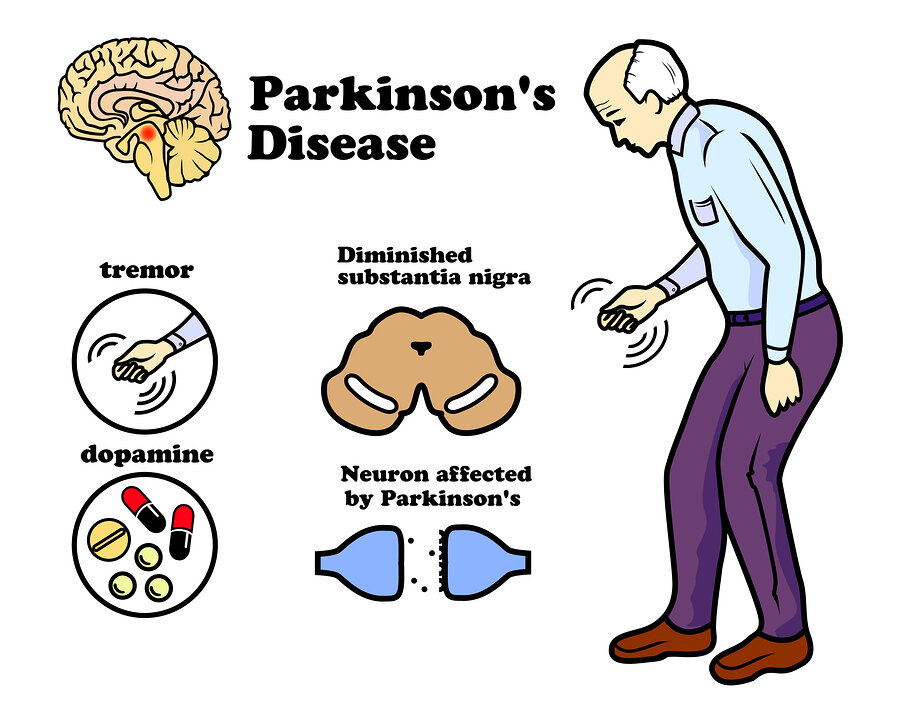
Parkinson’s disease is a progressive neurological disorder affecting millions worldwide. Early diagnosis is crucial for effective management, but current methods are often expensive and inaccessible, especially in low-resource settings. A team from the University of California, Los Angeles (UCLA) has developed an innovative solution: a pen containing magnetic ink and artificial intelligence (AI) technology that can detect Parkinson’s disease through handwriting analysis
Understanding Parkinson’s Disease
Parkinson’s disease affects movement, causing symptoms like tremors, stiffness, and balance issues. It is the second most common neurodegenerative disorder after Alzheimer’s, impacting nearly 10 million people globally. In countries like India, early detection is challenging due to limited access to specialists and diagnostic tools.
The Science Behind the Pen
The diagnostic pen developed by UCLA researchers features a soft, silicone tip embedded with magnetic particles and is filled with ferrofluid ink. When a user writes or draws, the pen captures subtle hand movements and converts them into electrical signals. These signals are then analyzed by a one-dimensional convolutional neural network, a type of AI, to detect patterns indicative of Parkinson’s disease.
Accuracy and Affordability
In a pilot study involving 16 participants, including individuals with Parkinson’s, the pen demonstrated an impressive accuracy rate of 96.22% in distinguishing between patients and healthy individuals. Moreover, the pen is cost-effective, with production costs as low as 35 yuan (approximately ₹400), making it accessible for widespread use, especially in low- and middle-income countries.
Implications for India
India faces significant challenges in diagnosing Parkinson’s disease early due to a shortage of neurologists and diagnostic facilities, particularly in rural areas. This affordable and easy-to-use pen could revolutionize early detection, allowing for timely intervention and better management of the disease. It holds the potential to bridge the gap in healthcare accessibility across diverse regions of the country.
Global Perspectives
While developed countries have advanced diagnostic tools, their high costs and complexity limit widespread use. The simplicity and affordability of UCLA’s diagnostic pen make it a promising solution for global health, especially in resource-limited settings. It exemplifies how innovative technology can address healthcare disparities worldwide.
Future Directions
The research team plans to conduct larger studies to validate the pen’s effectiveness across diverse populations. They also aim to explore its potential in monitoring disease progression over time. Integrating the pen with smartphone applications could further enhance its usability, enabling remote diagnostics and continuous monitoring.
A Step Towards Accessible Healthcare
The development of this AI-powered pen marks a significant advancement in the early detection of Parkinson’s disease. Its affordability and ease of use offer hope for improved healthcare access in India and similar contexts. As we embrace such innovations, we move closer to a future where quality healthcare is accessible to all.
