



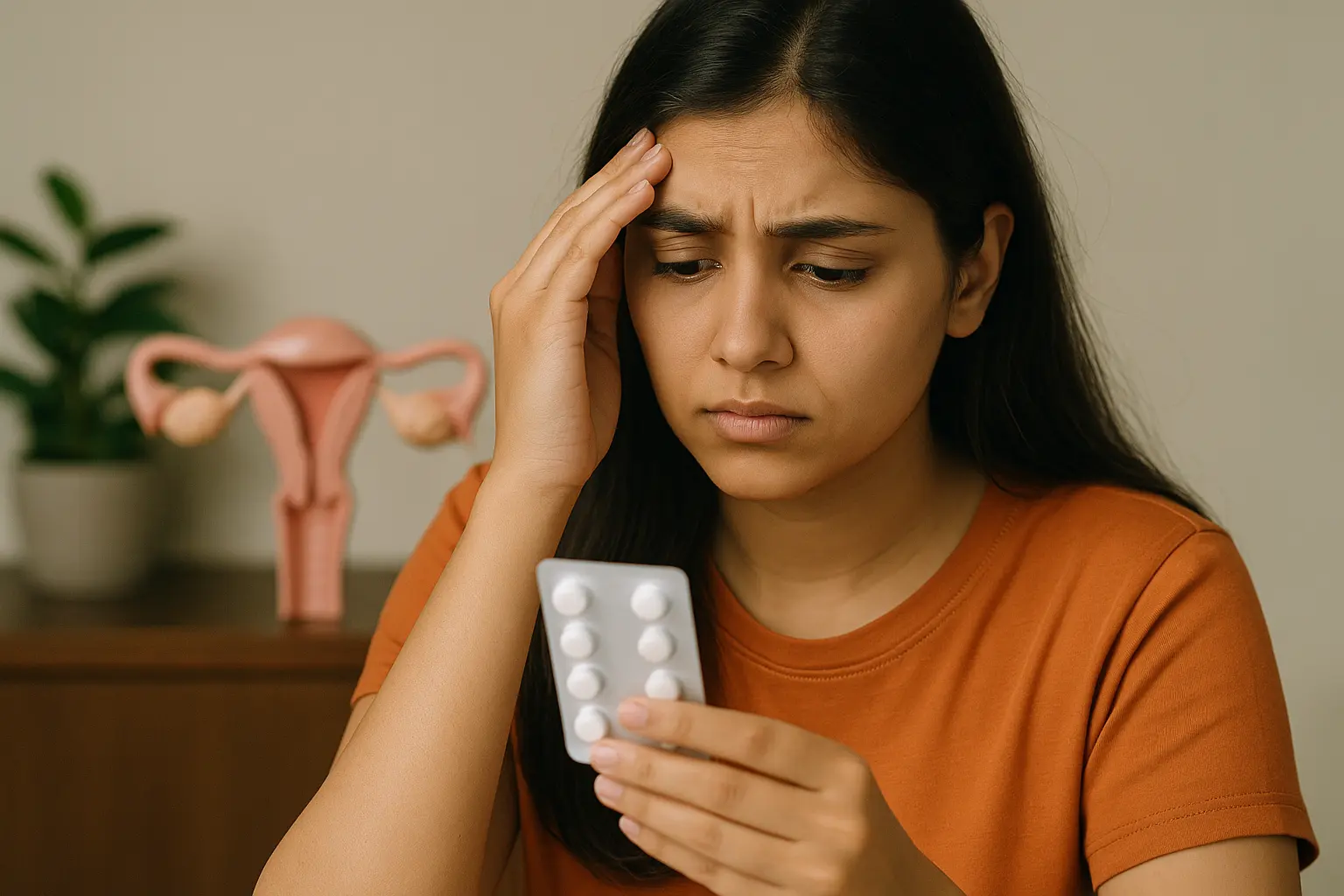
In bustling cities and quiet towns across India, countless young women face a silent struggle, one that often goes unnoticed until it disrupts their lives. Polycystic Ovary Syndrome (PCOS) and Polycystic Ovary Disease (PCOD) are not just medical terms; they are daily realities for many. These conditions, though often used interchangeably, have distinct characteristics and implications. Yet, they share a common thread: the impact on women’s health, both physically and emotionally.
Understanding PCOS and PCOD
What is PCOS?
PCOS is a hormonal disorder that affects women of reproductive age. It is characterized by:
- Irregular Menstrual Cycles: Periods that are infrequent, prolonged, or absent.
- Excess Androgen Levels: Elevated male hormones leading to symptoms like acne, excessive hair growth (hirsutism), and scalp hair thinning.
- Polycystic Ovaries: Enlarged ovaries containing numerous small cysts visible on an ultrasound.
What is PCOD?
PCOD is a condition where ovaries produce immature or partially mature eggs, leading to cyst formation. Unlike PCOS, PCOD is often considered a less severe form and may not always lead to hormonal imbalances or metabolic issues.
Rising Prevalence Among Young Indian Women
The prevalence of PCOS/PCOD among young Indian women has been increasing in recent years. Factors contributing to this rise include:
- Lifestyle Changes: Sedentary lifestyles, poor dietary habits, and increased stress levels have been linked to hormonal imbalances.
- Obesity: Higher rates of obesity in urban areas contribute to insulin resistance, a key factor in the development of PCOS.
- Delayed Marriages and Childbearing: Delaying pregnancy can lead to hormonal changes that increase the risk of PCOS.
- Genetic Factors: A family history of PCOS can increase the likelihood of developing the condition.
Symptoms to Watch Out For
Common symptoms of PCOS/PCOD include:
- Irregular or missed periods
- Heavy or prolonged menstrual bleeding
- Excessive hair growth on the face, chest, or abdomen
- Acne and oily skin
- Thinning hair or hair loss
- Weight gain or difficulty losing weight
- Darkening of skin, particularly along neck creases, groin, and under breasts
Health Implications
If left untreated, PCOS/PCOD can lead to several health complications:
- Infertility: Hormonal imbalances can interfere with ovulation, making it difficult to conceive.
- Type 2 Diabetes: Insulin resistance associated with PCOS increases the risk of developing type 2 diabetes.
- Heart Disease: Elevated cholesterol levels and high blood pressure can increase the risk of cardiovascular diseases.
- Endometrial Cancer: Prolonged lack of ovulation can lead to the thickening of the uterine lining, increasing the risk of endometrial cancer.
Diagnosis and Treatment
Diagnosis
PCOS/PCOD is diagnosed through a combination of:
- Medical History: Discussion of menstrual cycles, weight changes, and other symptoms.
- Physical Examination: Checking for signs like excessive hair growth or acne.
- Blood Tests: Measuring hormone levels, including androgens and insulin.
- Ultrasound: Visualizing the ovaries for cysts.
Treatment
While there is no cure for PCOS/PCOD, symptoms can be managed through:
- Medications: Birth control pills to regulate periods, anti-androgens for hirsutism, and metformin for insulin resistance.
- Lifestyle Changes: Diet modifications, regular exercise, and stress management.
- Surgical Options: In rare cases, procedures like ovarian drilling may be considered.
Preventive Measures and Lifestyle Tips
While some risk factors like genetics cannot be changed, adopting a healthy lifestyle can help manage and prevent the worsening of PCOS/PCOD:
- Regular Exercise: Engaging in physical activity helps regulate insulin levels and maintain a healthy weight.
- Balanced Diet: Incorporating whole grains, lean proteins, and plenty of fruits and vegetables can support hormonal balance.
- Stress Management: Practices like yoga, meditation, and deep breathing exercises can help reduce stress levels.
- Adequate Sleep: Ensuring 7-9 hours of quality sleep each night supports overall health.
- Regular Check-ups: Routine visits to a healthcare provider can help monitor and manage symptoms effectively.
Diet Recommendations for Managing PCOS/PCOD
A balanced diet plays a crucial role in managing PCOS/PCOD. Consider the following dietary guidelines:
- Low Glycemic Index Foods: Opt for whole grains, legumes, and non-starchy vegetables to help regulate blood sugar levels.
- Lean Proteins: Include sources like chicken, fish, tofu, and legumes to support muscle health.
- Healthy Fats: Incorporate nuts, seeds, and fatty fish like salmon for their anti-inflammatory properties.
- Limit Processed Foods: Reduce intake of sugary snacks, fried foods, and refined carbohydrates.
- Hydration: Drink plenty of water throughout the day to support metabolic processes.
PCOS and PCOD are not just medical conditions; they are part of the lived experiences of many young women in India. By fostering open conversations, promoting awareness, and encouraging healthy lifestyles, we can empower women to take control of their health and well-being. Remember, you’re not alone in this journey, and with the right support and information, managing PCOS/PCOD is entirely possible.
