



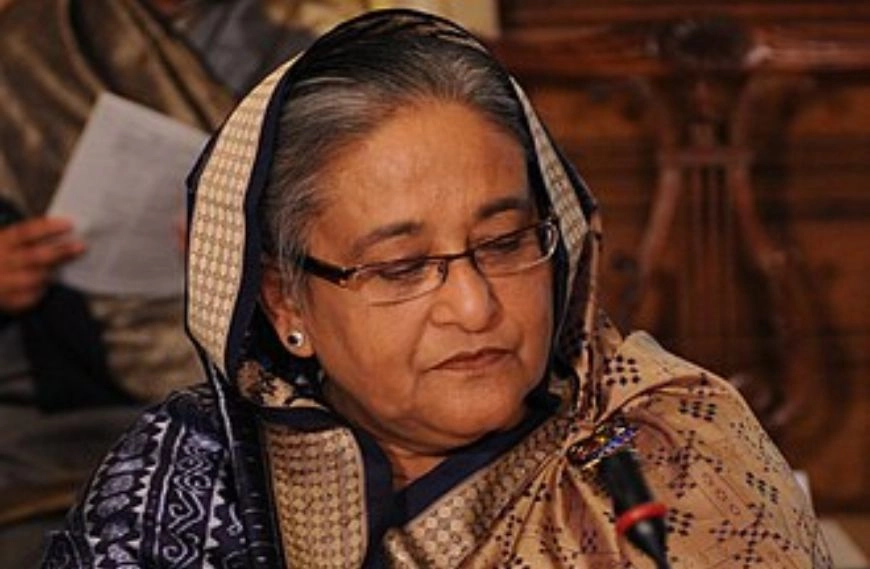
Bangladesh is facing a tense and uncertain moment as a special tribunal in Dhaka prepares to announce its verdict against former Prime Minister Sheikh Hasina. The case relates to charges of crimes against humanity linked to the 2024 student protests, during which many people were reported killed in clashes with security forces. Sheikh Hasina, who served as Prime Minister for several years, has denied all allegations and has called the trial politically motivated. She has been living in India since leaving Bangladesh after her government stepped down.
In the hours leading up to the verdict, Dhaka has been placed under a tight security lockdown. The government has deployed thousands of police officers, paramilitary units and members of the Rapid Action Battalion across sensitive areas of the capital. Important roads have been blocked, security checkpoints have been set up and public gatherings have been restricted. Authorities fear the possibility of unrest, especially if the verdict triggers strong reactions from political supporters on either side.
Shops, markets and schools in some areas of Dhaka have closed early, and many residents are choosing to remain indoors. Public transport has also been affected, with several routes disrupted or temporarily suspended. The atmosphere in the city is calm but tense, as people wait to see how the situation unfolds.
A notable feature of the upcoming verdict is that it will be broadcast live on state television. Selected portions of the decision will also be shown on large screens in Dhaka. Officials claim that this is being done to ensure transparency and to keep citizens informed. However, opposition supporters say that it could be used to control the narrative or influence public sentiment.
Sheikh Hasina, speaking from abroad earlier, said that the charges against her are baseless. She described the tribunal as unfair and claimed that the interim government had set it up to weaken her political role. Her party, the Awami League, has expressed similar concerns, arguing that the case is part of a larger attempt to rewrite political history.
On the other hand, critics of Hasina believe that accountability is necessary. They say the events during the 2024 protests were serious and demand a fair investigation into the actions of the government at the time. Human rights organisations are also watching the case closely, as it may set a precedent for how similar incidents are handled in the future.
The verdict could have major implications for Bangladesh’s political future. It comes at a time when the country is preparing for upcoming elections, and the decision may influence political alliances, public opinion and the overall stability of the nation. Many fear that the ruling, whatever it may be, could increase polarisation.
As Bangladesh waits for the tribunal’s decision, the country finds itself at a crossroads. The coming hours will determine not only the fate of a former leader but also the direction in which the nation moves next. People across the country and around the world are watching closely, hoping that peace and stability will prevail.
Subscribe Deshwale on YouTube
