



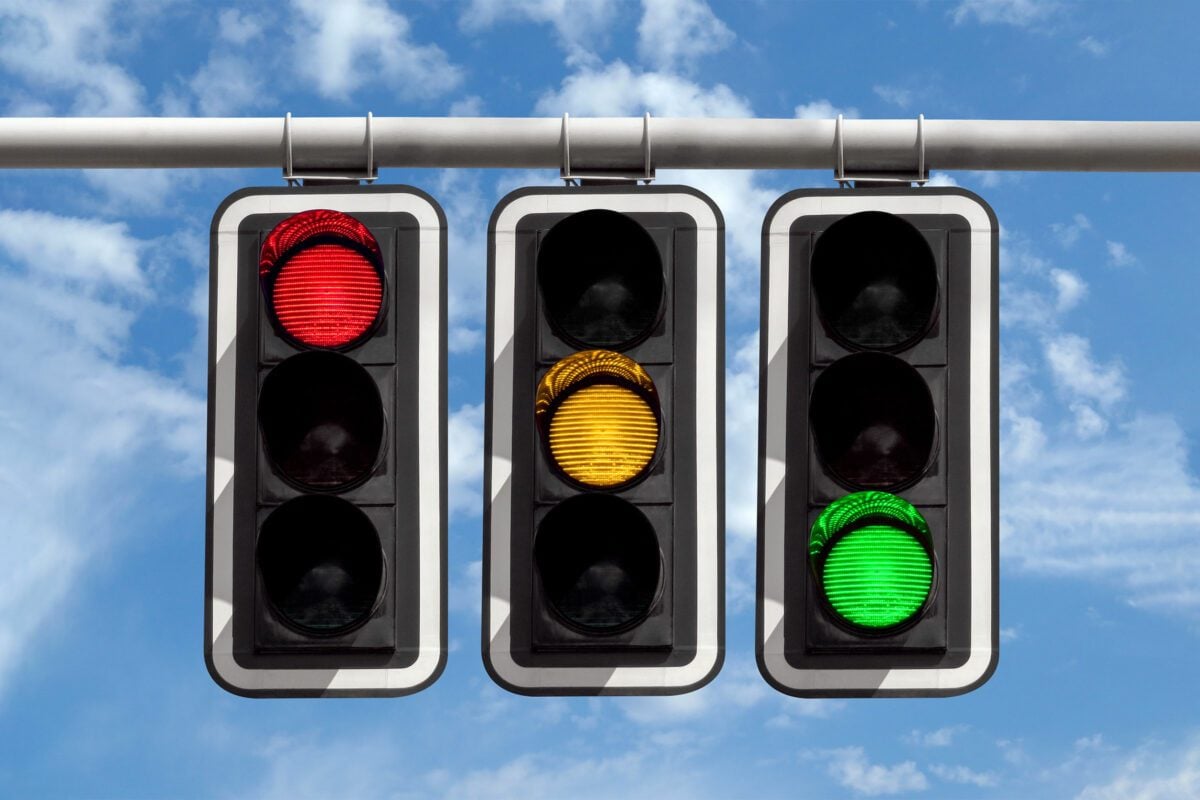
Today, traffic signals are a part of everyday life. Whether you’re driving, riding a bike or simply crossing the road, stopping at a red light has become second nature. But there was a time when Indian roads had no traffic signals at all.
India’s first traffic signal was installed in Chennai, then known as Madras, in 1953 at the busy intersection of Mount Road (now Anna Salai) and General Patters Road. As the number of vehicles on the roads increased after Independence, managing traffic manually became difficult, prompting authorities to introduce the country’s first automated signal.
Before traffic lights, traffic was controlled entirely by policemen. Officers stood in the middle of busy junctions for hours, using hand gestures and whistles to direct vehicles. While the system worked for smaller towns, it became increasingly challenging as cities expanded and vehicle ownership grew.
The installation of the first traffic signal marked the beginning of a new era in road management. It helped improve the flow of vehicles, reduced confusion at intersections and made roads safer for both motorists and pedestrians.
Over the following decades, traffic signals spread to cities such as Mumbai, Delhi, Kolkata and Bengaluru as urbanisation accelerated. What began with a single signal eventually grew into thousands of intersections equipped with automated lights across the country.
Today, traffic signals have become much smarter. Many major Indian cities now use AI-powered adaptive traffic systems, CCTV cameras and real-time monitoring to adjust signal timings based on congestion. Some junctions even prioritise emergency vehicles such as ambulances using intelligent traffic management technology.
From one traffic signal in Chennai to smart intersections across India, the country’s traffic management has come a long way. It is a small piece of infrastructure that millions rely on every day, yet few know where the journey actually began.
Subscribe Deshwale on YouTube
