



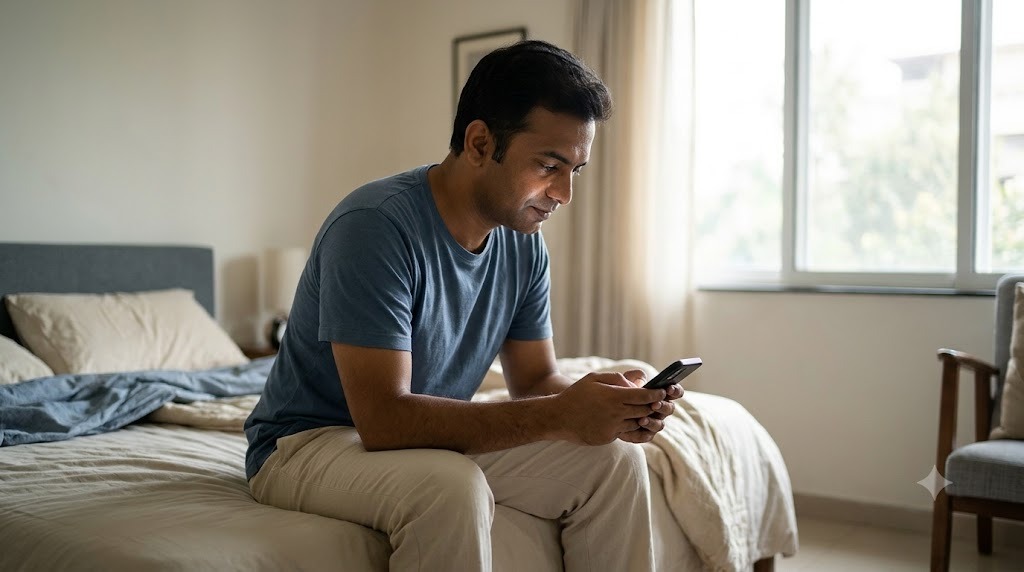
For many people, the morning starts with a familiar movement towards the phone. What looks like a small routine may reflect curiosity, connection or simply the way daily habits take shape.
The alarm rings. A hand reaches for the phone. Before getting out of bed, a person may have checked WhatsApp messages, glanced at the headlines, read an email or scrolled through social media. For many people, this has become such a familiar part of waking up that they barely notice it.
But why does the phone often become the first thing we reach for each morning?
The answer is not the same for everyone. For some, it is a practical way to check the time or read an important message. Others want to know what happened overnight, see whether family members have contacted them or catch up with friends. Sometimes, the movement is so automatic that a person opens an app without having a clear reason.
This everyday habit offers an interesting glimpse into how technology has become part of our personal routines.
The Comfort of Knowing What Is Happening
Mornings mark the beginning of another day, and many people naturally want to know what is happening around them. A quick look at the phone can provide a sense of connection with the outside world before the day’s responsibilities begin.
A message from a loved one, an update from a colleague or a reminder about an appointment can help someone feel prepared. For people who live away from their families, checking messages may also be a simple way to maintain relationships across distances.
Curiosity plays a role, too. People want to know the latest news, check the weather or see what they missed while sleeping.
However, these explanations should not be treated as universal psychological rules. One person may check a phone out of necessity, another out of curiosity and someone else simply because it has become part of their morning routine.
When Checking Becomes Automatic
Habits often develop through repetition. When people perform the same action in the same situation, it can gradually require less conscious thought.
The morning phone check can work in a similar way. Waking up becomes the cue, reaching for the device becomes the action, and finding a new message or useful update can encourage the behaviour to continue.
Research on spontaneous smartphone checking has examined how people check their devices even when they have not received a notification or set out to find specific information. Such checking is not automatically a sign of a problem. Its meaning depends on the individual, the circumstances and how much it interferes with daily life.
The important distinction is between using a phone because it serves a purpose and checking it repeatedly without really knowing why.
What Happens to the Morning?
The first few minutes after waking up can look different for everyone. Some people prefer silence, a cup of tea or a few moments to plan the day. Others need to check work messages or organise family responsibilities before getting started.
Looking at a phone is not necessarily harmful. The more useful question is whether the habit leaves enough room for the things a person wants to do.
A quick check can easily turn into a longer scroll. One message leads to a news update, which leads to a social media post and then another video. Before long, the time intended for getting ready may have disappeared.
Research has found that smartphone notifications can interrupt performance on tasks requiring attention, even when people do not directly interact with their phones. However, this does not prove that every morning phone check harms concentration throughout the day. It simply highlights why interruptions and repeated checking are worth noticing.
Making Room for a More Intentional Start
Changing a morning routine does not require abandoning the phone or following a strict set of rules. Small adjustments may be enough.
People who rely on their devices for important updates can begin by checking essential messages first and leaving non-urgent apps for later. Turning off unnecessary notifications may reduce interruptions. Others might prefer to drink water, stretch, open a window or enjoy a few quiet minutes before scrolling.
There is no single morning routine that works for everyone. The aim is to make a conscious choice rather than follow a habit without noticing it.
Our phones help us stay informed, connected and organised. They are useful tools, and there is no need to feel guilty about using them. But the way we begin the day is also an opportunity to decide where our attention goes.
Tomorrow morning, before opening the first app, try asking a simple question: Am I reaching for my phone because I need something, or because it is simply what I always do?
That small moment of awareness may be enough to make the morning feel a little more like our own.
Subscribe Deshwale on YouTube
