



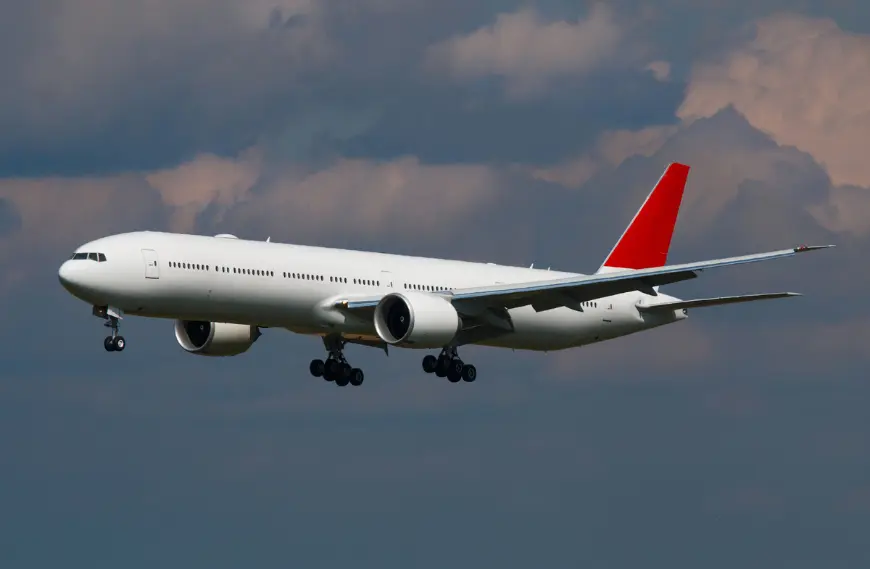
Priya was bored of the same routine every time she flew. The safety instructions, delivered by a purser or flight attendant, felt like a tired script. “Why? Why? I’ve seen this countless times! Enough already,” she grumbled to herself. Like Priya, thousands of frequent flyers dismiss these briefings as pointless. Few grasp that, in an emergency, those repetitive instructions could be a lifeline, enabling swift actions to save their own lives and even others’. Do you roll your eyes at a flight attendant giving safety instructions? It’s time to rethink.
Flying feels like magic. It shrinks vast distances, connecting cities and continents in hours. But this magic depends on precision. Every safety instruction, from buckling seatbelts to locating exits, weaves a vital safety net. That net catches us when disaster strikes. On 12 June 2025, tragedy struck Ahmedabad. Flight 171, a Boeing 787 Dreamliner bound for London, crashed into a residential area seconds after takeoff, killing 241 of 242 aboard and dozens on the ground. Vishwash, the sole survivor, emerged from the wreckage. Mere seconds separated life from death. Had passengers ignored instructions, survival odds could have been even slimmer. Safety briefings aren’t mere protocol. They prepare us for the unthinkable.
Consider the seatbelt. It’s simple yet critical. Turbulence can strike suddenly, injuring dozens yearly. In 2019, a transatlantic flight hit severe turbulence, harming seven unbuckled passengers. Seatbelts anchor you during unexpected jolts, like those in Ahmedabad’s crash, where the plane struggled to climb. Footage showed it descending abnormally, nose up, landing gear down. Passengers who stayed buckled likely had a better chance. Vishwash, seated near an emergency exit, survived. His seat choice, perhaps guided by a briefing, may have been his salvation. This isn’t chance. It’s preparation meeting opportunity.
Oxygen masks are another crucial instruction. At 30,000 feet, air is thin. A pressure drop gives you 15 seconds before disorientation sets in. Masks deploy, but you must act fast. Pull, secure, breathe. In 2018, a flight lost cabin pressure mid-journey. Some passengers fumbled, wearing masks incorrectly, because they hadn’t listened. In Ahmedabad, the black box, now recovered, may reveal if pressure issues played a role. Those who knew mask procedures gained precious seconds to stay alert. This isn’t just about you. It’s about protecting those you travel with, from family to strangers.
Emergency exits often go unnoticed. Flight attendants point them out, but do we look? Vishwash’s survival near an exit underscores their importance. In a 2020 runway crash, passengers near exits escaped fastest. Airports near challenging terrains or wildlife zones, like Ahmedabad’s bird-heavy skies, amplify risks. A suspected bird strike may have crippled the Dreamliner’s engines in seconds. Knowing your nearest exit, counting rows in the dark, can mean life or death. It’s not just personal. Helping others, as Vishwash did, can spark calm in chaos.
Why do so many dismiss these briefings? It’s human nature. Familiarity breeds complacency. We navigate busy lives, assuming we’ll handle crises too. But flying isn’t like dodging traffic. It’s a high-stakes dance of engineering and discipline. The Ahmedabad crash, claiming a former official and students on the ground, stands as a grim reminder. We honour the lost by learning, not ignoring. Briefings last under five minutes, less time than a social media scroll. Yet, those minutes could save you.
Globally, safety instructions prove their worth. In 2009, a US Airways flight landed on the Hudson River. All 155 survived, thanks to passengers who braced correctly, used life vests, and evacuated swiftly. In Ahmedabad, the plane’s heavy fuel load fueled a massive fire. Had more known evacuation protocols, could others have escaped? The black box, now under analysis, may highlight missed opportunities. Wherever you fly, safety awareness turns dreams into reality.
Flight attendants are unsung heroes. They’re not just serving drinks. They’re trained for crises, from evacuations to first aid. In Ahmedabad, crew members perished, including a young attendant with deep airline roots. Their skills included fire-fighting and crisis management. Ignoring their briefings dismisses their expertise. Listening is respect, not compliance. In a 2017 incident, a quick-thinking crew evacuated passengers from a flooded runway. Those who followed instructions survived.
Technology adds a layer. The Boeing 787 is a marvel, yet no plane is immune to failure. A 2024 whistleblower raised concerns about 787 assembly, though no fault is confirmed in Ahmedabad. The black box will clarify if a bird strike or mechanical issue caused the crash. But technology can’t replace human readiness. Safety instructions bridge that gap. Blend trust in science with preparedness. Listen to the briefing, then hope for the best. It’s not fear. It’s survival.
Ahmedabad’s tragedy highlights community. The crash killed families, students, and dreams. Collective grief showed shared strength. Safety instructions aren’t just personal. They’re communal. Knowing how to use an exit might help a stranger. Staying calm inspires others. In a world of billions, where we queue for events or travel together, this unity is universal. Bring it to the skies.
Next time you fly, pause. Read the safety card. Listen to the crew. Find the exits. It’s not about paranoia. It’s about valuing life, honouring the 241 lost in Ahmedabad, and those whose futures vanished. It’s about keeping skies safe for all. Safety instructions are the smallest act with the biggest impact. Don’t be Priya, bored and dismissive. Be the one who listens, ready to live.
