



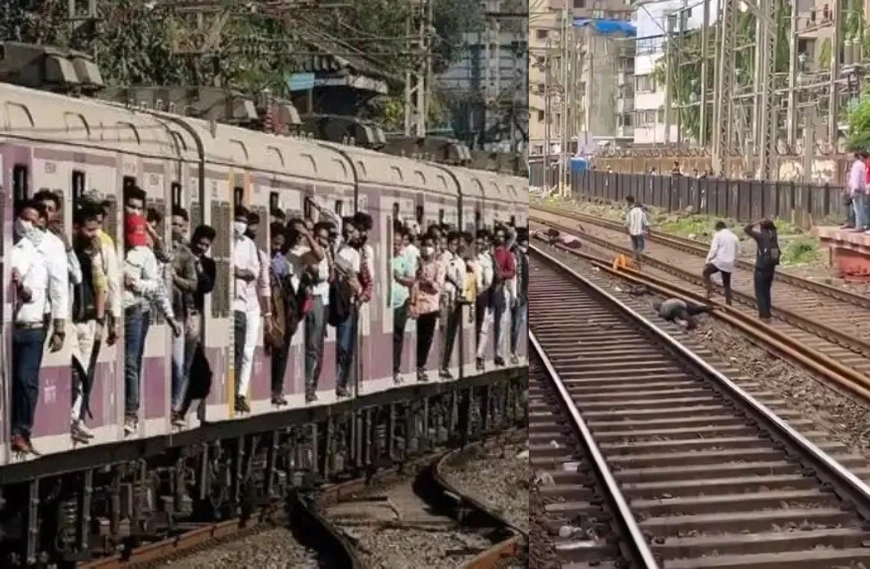
Every Mumbaikar has a train story. For those commuting daily on the Central Line, that story often carries fear—fear of delays, overcrowding, and, too often, accidents. From derailments to fatal falls, Mumbai’s Central Railway Line sees more rail mishaps than its Western and Harbour counterparts. Why does this happen?
Legacy Infrastructure Under Strain
The Central Line, stretching from Chhatrapati Shivaji Maharaj Terminus (CSMT) to Kalyan, and further to Kasara and Khopoli, carries millions daily. Unlike the more modernized Western Line, the Central Line grapples with outdated infrastructure. Built during the British era, many tracks and signalling systems remain dated. While upgrades are underway, some stretches still rely on manual operations, increasing the risk of human error.
Overcrowding: A Recipe for Disaster
The Central Line serves Mumbai’s densest areas, like Dadar, Kurla, Ghatkopar, Thane, and Kalyan. Trains are packed beyond capacity during peak hours, pushing commuters to cling to doors or take risky positions. This isn’t just uncomfortable—it’s dangerous. Falls from moving trains are tragically common. In contrast, the Western Line benefits from more 15-coach trains and better platform management.
Challenging Track Layout
The Central Line’s design adds to its risks. Sharp curves and multiple level crossings increase the chance of derailments. Beyond Kalyan, toward Kasara and Karjat, the line navigates hilly terrain, where landslides, slippery tracks, and poor monsoon visibility heighten dangers. The Western and Harbour Lines face fewer such geographical challenges.
The Human Factor
Illegal track-crossing by residents, vendors, and schoolchildren is a persistent issue. This jaywalking culture claims lives yearly. While the Western Line has improved pedestrian safety with foot-over bridges and fencing, the Central Line lags behind. Awareness campaigns, like those by Indian Railways, exist but lack consistent impact.
Government Efforts and Gaps
Efforts like Mission Raftaar and MUTP Phase III aim to enhance speed and safety. Automatic signalling between CSMT and Thane and anti-collision devices on long-distance routes are steps forward. However, implementation is slow, and commuter numbers grow faster than infrastructure upgrades. CCTV surveillance, platform height adjustments, and speed restrictions in vulnerable areas help, but they’re not enough.
What Can We Do?
Blaming authorities is easy, but commuters share responsibility. Crossing tracks to save time or leaning out of moving trains is risky. Schools, colleges, and workplaces should drive localized safety campaigns. Technology, like GPS-based train tracking, drone inspections, and AI crowd analytics, could prevent disasters, but investment must match intent.
A Shared Responsibility
The Central Line’s issues stem from outdated systems, overcrowding, risky behavior, and slow upgrades. Fixing this requires a mindset shift—from both authorities and commuters. Share your Central Line story below to spread awareness. Because every Mumbaikar deserves to reach home safely.
