









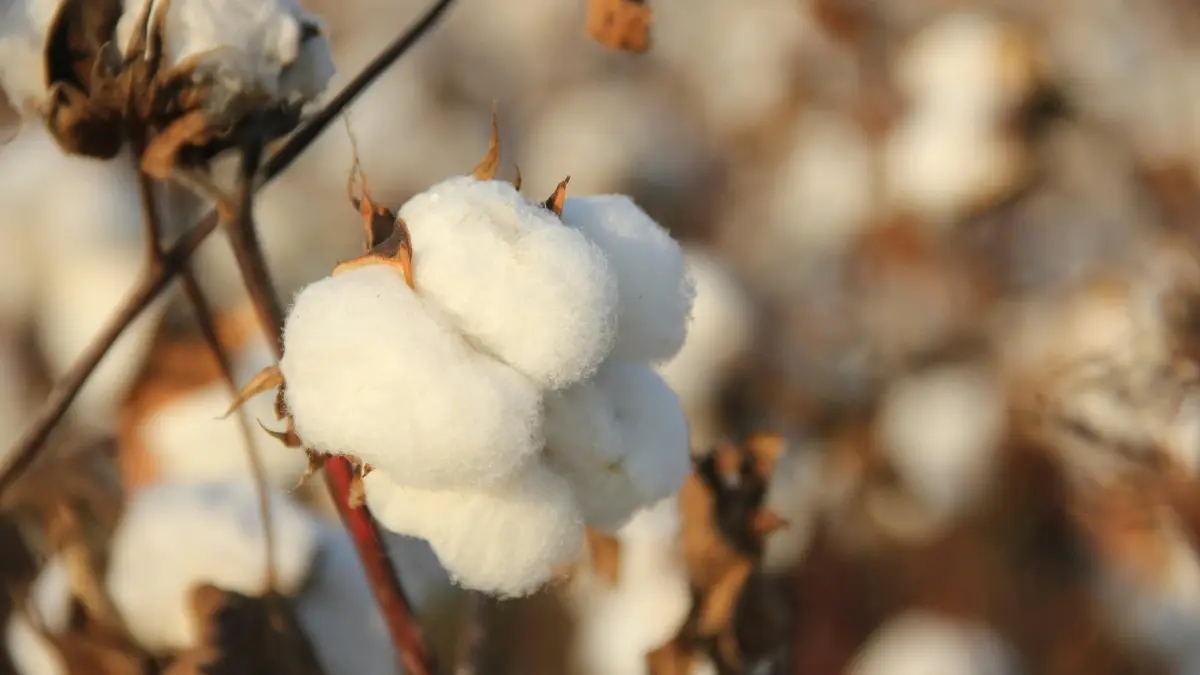
India was once known around the world for its cotton strength, exporting vast quantities and supporting millions of farming families. Today, however, the country finds itself importing more cotton than it exports. This shift began subtly but picked up pace due to falling yields, rising production costs, market disruptions, and recently, protectionist U.S. policies. Here’s a simple breakdown of why things changed and what could help turn the situation around.
Why Cotton Production Slipped
Over the past decade, India’s cotton output has been under pressure from multiple directions:
- Stagnant or declining yields: Outdated farming methods, irregular availability of quality seeds, and limited mechanization have capped yield improvements. These structural issues have restrained production growth.
- Environmental stress: Crops have suffered from erratic monsoons, pest outbreaks, and soil fatigue, all lowering productivity.
- Low closing stocks and reduced buffer supplies have added to the crisis.
These factors made cotton less profitable and increasingly unreliable for farmers.
Why Farmers Are Shifting Away
Farmers are responding to these challenges by switching to more profitable or stable crops:
- Economic viability: Crops like pulses and oilseeds often offer better returns and demand than cotton.
- Risk avoidance: Cotton’s fluctuations in yields and market prices push farmers toward alternatives that feel safer.
Government Moves and Mission Efforts
The government has tried various strategies, with mixed results:
- Cotton Productivity Mission: Aimed at improving seed quality, modernizing farming, and increasing mechanization to lift yields.
- Procurement and support pricing: The Cotton Corporation of India raised its purchase price by around 7.8 percent to ₹8,110 per 100 kg, compared to average market prices near ₹7,000. They have also ramped up procurement infrastructure, increasing centers by 10 percent, and are willing to buy the entire supply brought by farmers.
Key Challenges Fueling the Decline
- Cheaper Imports Undercut Local Cotton
The government has extended an import duty exemption on cotton, easing access to cheaper foreign cotton. While this helps textile mills, it depresses domestic prices and hurts Indian farmers. - Declining Yarn Purchases Affecting Farmers
After the United States imposed 50 percent tariffs on Indian exports, cotton yarn purchases plunged by about 50 percent, reducing demand for Indian cotton. Meanwhile, cheaper international cotton imports surged significantly. - Unfavourable Market Dynamics for Cotton Farmers
Competing countries enjoy lower input costs and reduced tariff burdens, leaving Indian cotton producers at a competitive disadvantage.
The U.S. Tariff Shock: A Blow from Across the Ocean
In mid 2025, the United States imposed steep tariffs of 50 percent on Indian exports, especially textiles. This move severely impacted demand for Indian yarn and cotton products.
- Economic fallout: India’s GDP growth could take a hit of 0.5 to 0.6 percent.
Relief strategies launched: The government allowed duty-free imports of U.S. origin cotton inputs to ease exporter cost burdens. Products with at least 20 percent U.S. content are partly exempt from the tariff.
| Action | Why It Helps |
|---|---|
| Boost yield via improved seeds, irrigation and mechanization | Raises production, cuts reliance on imports |
| Ensure Minimum Support Prices and stronger procurement | Shields farmers from market downturns |
| Diversify export markets | Reduces over dependence on the United States |
| Encourage local yarn and textile consumption | Lowers raw cotton demand to ease pressure on farmers |
| Strengthen crop insurance and subsidies | Mitigates risks for farming communities |
| Promote value added cotton products | Lessens vulnerability to raw material shocks and price swings |
This journey from cotton powerhouse to a net importer reflects deep structural, environmental, and market shifts. Addressing the decline means supporting farmers through better practices, market safety, smart trade strategies, and broadened demand. That balanced and focused approach could help India regain its cotton strength, benefiting farmers, industries, and the economy alike.


