



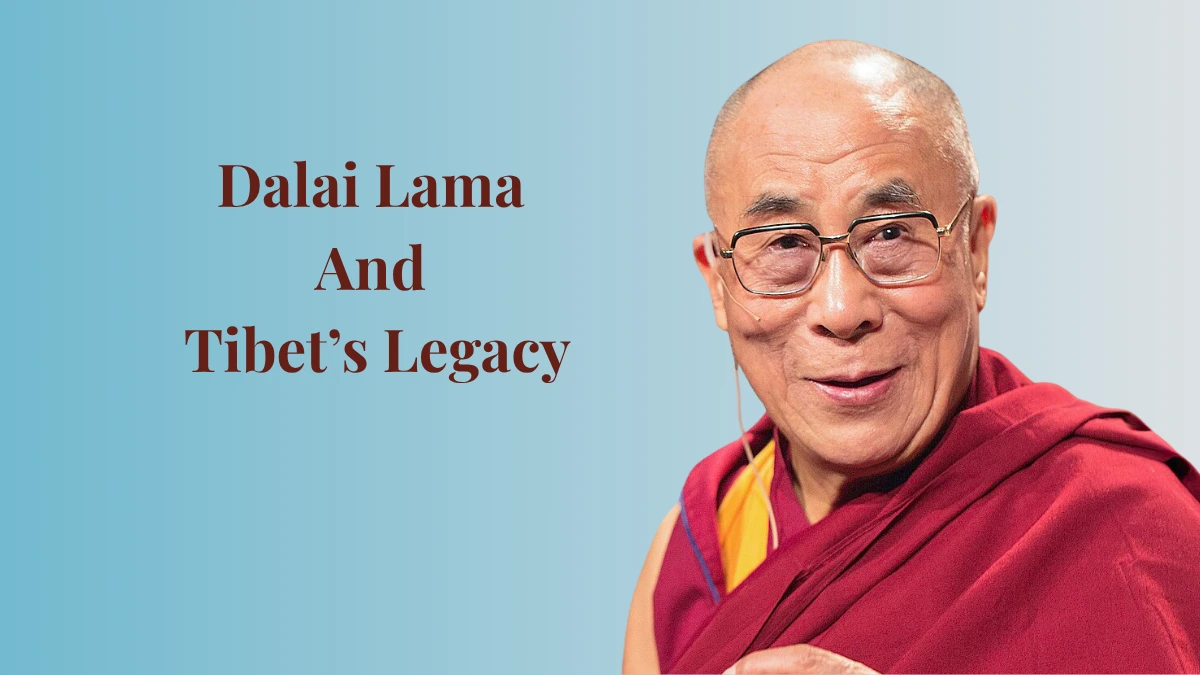
The Dalai Lama and Tibet’s Enduring Spiritual Legacy
The Dalai Lama. A name that resonates with serenity, wisdom, and a quiet defiance. For centuries, this spiritual leader has embodied the soul of Tibetan Buddhism, guiding a people through exile, oppression, and an uncertain future. The tradition of the Dalai Lama is not just a religious institution but a symbol of Tibet’s resilience, woven into a history both sacred and turbulent. Today, as the 14th Dalai Lama, Tenzin Gyatso, approaches his 90th year, questions about his succession spark global debate, with China’s shadow looming large. This is the story of the Dalai Lama, Tibetan Buddhism, and a land caught between faith and geopolitics.
The Roots of Tibetan Buddhism
Tibetan Buddhism, or Vajrayana, is a vibrant tapestry of philosophy, ritual, and mysticism. Born in the 7th century, it blends Indian Buddhist teachings with Tibet’s ancient Bon religion. Monks in crimson robes chant mantras. Prayer wheels spin, sending blessings into the wind. The air hums with devotion in Lhasa’s monasteries, or it did, before the storms of history swept through.
Central to this tradition is the Dalai Lama, believed to be the reincarnation of Avalokiteshvara, the Bodhisattva of Compassion. The title, meaning “Ocean of Wisdom,” reflects a lineage stretching back to the 14th century. Each Dalai Lama is chosen through a mystical process. Dreams, visions, and signs guide lamas to a child born at the moment of the previous Dalai Lama’s passing. It is a practice steeped in faith, untouched by worldly politics. Or so it was meant to be.
A Chequered Past
Tibet’s history is a saga of independence and subjugation. For centuries, it thrived as a spiritual and cultural hub, its monasteries cradles of learning. The Dalai Lamas, particularly from the 17th century, wielded both spiritual and temporal power, governing Tibet as a theocratic state. But the 20th century brought upheaval.
In 1950, China’s People’s Liberation Army marched into Tibet, claiming it as part of the motherland. The 14th Dalai Lama, then just 15, faced an impossible choice: resist or negotiate. He chose diplomacy, signing the Seventeen Point Agreement in 1951, which promised autonomy but delivered control to Beijing. By 1959, tensions boiled over. A failed uprising against Chinese rule forced the young Dalai Lama to flee across the Himalayas to India, where he established a government in exile in Dharamsala. Thousands of Tibetans followed, their culture now a diaspora’s fragile treasure.
The decades since have been a slow erosion. China’s grip tightened, with policies aimed at diluting Tibetan identity. Monasteries were destroyed during the Cultural Revolution. Han Chinese migration reshaped Tibet’s demographics. The Dalai Lama, from his Indian refuge, became a global advocate for Tibet, his message of peace earning him the Nobel Prize in 1989. Yet, within Tibet, his image is banned, his name a whisper.
The Dalai Lama’s Role Today
At 89, Tenzin Gyatso is a living paradox: a monk with rock-star charisma, a spiritual leader navigating geopolitical chess. His teachings, compassion, mindfulness, non-violence, resonate worldwide. From TED Talks to Tibetan prayer halls, his words bridge cultures. Yet, his political role is delicate. He no longer seeks Tibetan independence but a “Middle Way” approach, genuine autonomy within China. Beijing, however, brands him a separatist, a wolf in monk’s robes.
The Dalai Lama’s global influence is undeniable. He meets world leaders, speaks at universities, and draws crowds wherever he goes. His laughter, warm and infectious, disarms sceptics. But his exile is a stark reminder of Tibet’s plight. In Dharamsala, the Tibetan government in exile functions with quiet dignity, preserving language, art, and faith. Schools teach Tibetan children their heritage. Monasteries hum with debate. Yet, the future hangs in balance.
The Succession Controversy
The question of the Dalai Lama’s successor is a flashpoint. In Tibetan Buddhism, the process is sacred, guided by lamas who interpret signs and test candidates. But China insists it holds the right to approve the next Dalai Lama, citing historical precedents from the Qing Dynasty. Beijing’s 2007 decree requires all reincarnations to be state-approved, a move many Tibetans see as absurd. The Dalai Lama has been unequivocal. China has no role in this spiritual matter. In a 2011 statement, he declared that the decision lies with him and the Tibetan people, not a foreign government.
Recent developments have intensified the row. In July 2025, as reported by Deccan Herald, the Dalai Lama reiterated his stance, ruling out China’s involvement. Beijing’s response was predictably sharp, accusing him of undermining its sovereignty. The Chinese Communist Party has already shown its hand. In 1995, it abducted the Panchen Lama, the second-highest figure in Tibetan Buddhism, and installed its own candidate. The original Panchen Lama, Gedhun Choekyi Nyima, remains missing, one of the world’s youngest political prisoners.
The Dalai Lama has floated radical ideas. He might not reincarnate at all, ending the lineage. Or the next Dalai Lama could be chosen in exile, beyond China’s reach. Some speculate a female Dalai Lama could emerge, challenging tradition but reflecting his progressive streak. Whatever happens, the decision will shape Tibet’s spiritual and political landscape.
Tibet’s Present: A Culture Under Siege
Inside Tibet, the situation is grim. China’s policies, economic development paired with cultural assimilation, have transformed the region. Skyscrapers rise in Lhasa, but Tibetan language classes dwindle. Monks face surveillance. Monasteries are managed by state committees. Self-immolations, once a shocking protest, have waned but not vanished. Over 150 Tibetans have set themselves alight since 2009, crying for freedom.
Yet, Tibetans resist quietly. Prayer flags flutter on hillsides. Secret classes teach Buddhist texts. In exile, the diaspora keeps the flame alive. Festivals like Losar, the Tibetan New Year, burst with colour in Dharamsala. The Tibetan Youth Congress rallies for freedom. Online, Tibetans share stories, defying censorship.
Globally, Tibet remains a cause célèbre, though support waxes and wanes. Western governments voice concern but tread lightly, wary of China’s economic clout. Activists keep the issue alive, from Free Tibet campaigns to Hollywood films like Seven Years in Tibet. The Dalai Lama’s celebrity helps, but his age raises questions. Who will carry the torch?
The Future of the Dalai Lama’s Legacy
The Dalai Lama’s vision extends beyond Tibet. He champions interfaith dialogue, climate action, and mental health. His books, The Art of Happiness, Beyond Religion, sell millions. His X posts, blending humour and wisdom, go viral. But the heart of his mission remains Tibet’s spiritual survival.
What happens next depends on many factors. If the Dalai Lama ends the reincarnation cycle, Tibetan Buddhism may pivot to elected leadership, a shift some lamas already support. If a successor is chosen in exile, China may counter with its own Dalai Lama, creating a schism. The Tibetan diaspora, now scattered across India, Nepal, and the West, faces the challenge of unity.
China’s strategy is clear. Wait out the current Dalai Lama, betting his absence will weaken the Tibetan cause. But faith is stubborn. Tibetan Buddhism has survived invasions, exiles, and purges. Its emphasis on compassion and impermanence, everything changes, nothing lasts, equips Tibetans to endure.
A Global Inspiration
The Dalai Lama’s story is more than Tibet’s. It is a testament to resilience, to finding joy amid suffering. His life, fleeing at 23, leading in exile, smiling through it all, challenges us to rethink power. Not tanks or wealth, but kindness and clarity. That is his weapon.
Tibet’s future is uncertain. The mountains still stand. Prayer wheels still spin. But the clock ticks. Will the world listen when the 14th Dalai Lama is gone? Will Tibet’s voice endure? For now, Tenzin Gyatso teaches us to hope, to act, to be kind. In a world of noise, his quiet strength speaks loudest.
