










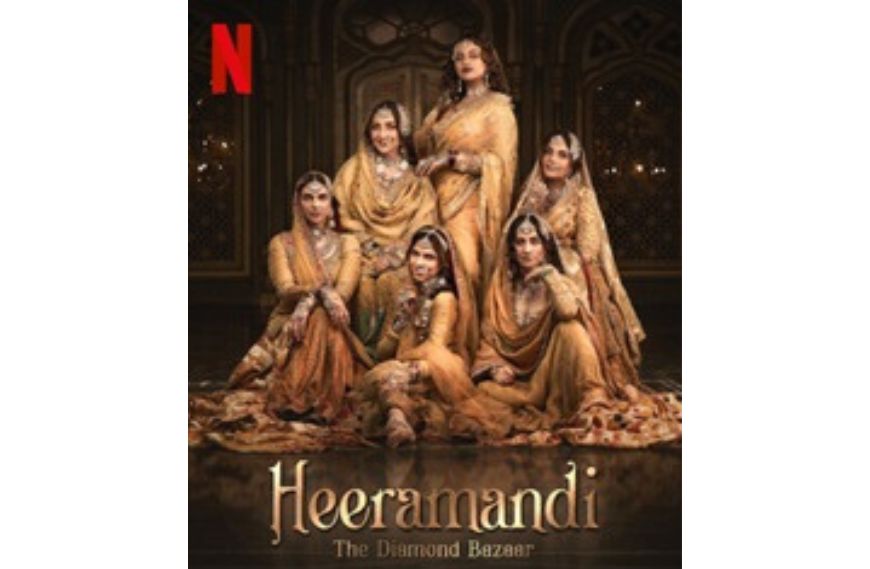
Netflix’s journey in India over the past decade has been defined by stories that have travelled far beyond the country’s borders. One of the biggest examples is Heeramandi: The Diamond Bazaar, which set a new benchmark for localisation by becoming the first Indian series to be dubbed in 14 languages. With more than 15 million views and a place in Netflix’s Top 10 rankings across 43 countries, the series became the platform’s biggest Indian drama to date. Behind this achievement was not only its grand storytelling and visuals but also the work of voice artists who brought the series to life for audiences around the world.
Localising Heeramandi involved much more than translating dialogues. Every dubbed version had to preserve the emotions, cultural richness and artistic vision created by filmmaker Sanjay Leela Bhansali, while ensuring that the performances felt authentic to viewers in different languages. This required close collaboration between talented voice artists from across the globe, each contributing their own interpretation without losing the essence of the original characters.
For Indian actor and dubbing artist Sahil Vaid, who voiced Ashfaq Baloch in the English version, the project became a deeply personal experience. He said the world of Heeramandi felt familiar because his grandparents were from Lahore, and he had grown up listening to their stories. While performing Ashfaq’s character, he found himself seeing reflections of his own father. According to Vaid, the emotions between a father and son are universal, making the character relatable to audiences everywhere.
French voice artist Stephanie Lafforgue, who voiced Mallikajaan, believes the unfamiliar setting is exactly what gives the series its universal appeal. She said the story offers viewers a fresh perspective on women and society from a different region and historical period, allowing audiences to connect with experiences outside their own culture.
German dubbing artist Katharina Spiering, who voiced Fareedan, highlighted the emotional themes that run throughout the series. While praising the visual grandeur of Heeramandi, she noted that its central themes of love, power, betrayal, female solidarity and freedom are emotions that resonate with people regardless of language or nationality.
For Thai voice artist Sopita Rangsiyothai, who also voiced Mallikajaan, the project provided an opportunity to introduce Thai audiences to the work of Sanjay Leela Bhansali. She said historical dramas from different countries have a unique ability to spark curiosity because people naturally enjoy exploring stories from both the past and different cultures.
These experiences highlight the often unseen craft behind localisation. Every dubbed performance requires voice artists to carefully interpret not just the words, but also the emotions, expressions and cultural nuances of each scene. Their work ensures that viewers watching in another language experience the story with the same emotional impact as the original audience.
Netflix says localisation will continue to play a central role in bringing stories from every corner of India to viewers across the globe. Through thoughtful dubbing, authentic voice casting and making content available in more languages than ever before, the streaming platform aims to ensure that stories deeply rooted in Indian culture can connect with audiences everywhere.
The success of Heeramandi: The Diamond Bazaar demonstrates that powerful storytelling, combined with high-quality localisation, can help Indian productions transcend linguistic and cultural boundaries. As Indian content continues to gain international recognition, voice artists remain an essential part of the creative process, helping stories travel across the world while preserving their original emotion, identity and cultural essence.
Subscribe Deshwale on YouTube


