









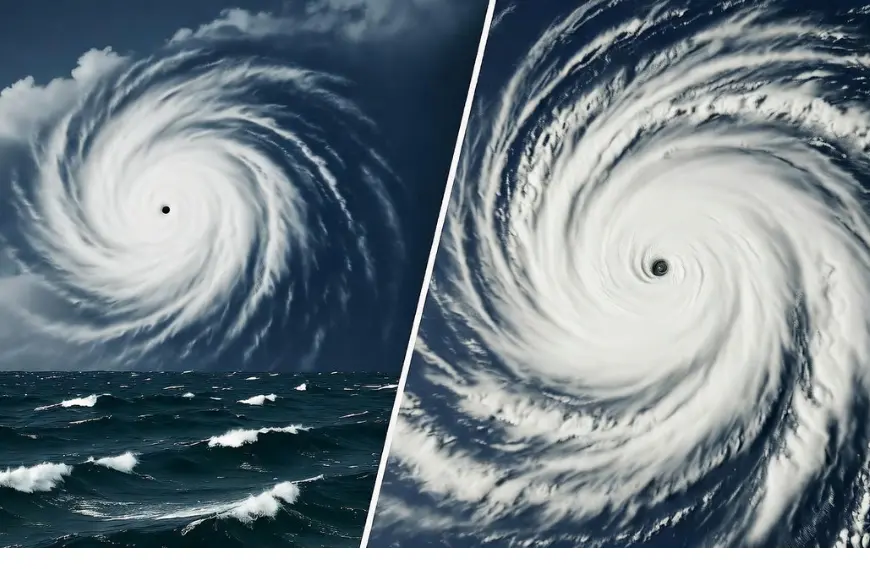
Have you ever wondered how cyclones like Montha, Amphan, or Tauktae get their names? The process behind naming these powerful storms is not random. It is a carefully coordinated effort led by the India Meteorological Department (IMD) and a group of 13 countries that form part of the World Meteorological Organization (WMO) and ESCAP panel.
A system with global cooperation
The naming of cyclones in the North Indian Ocean region began in 2004. Before that, storms were simply identified by numbers or dates, which made it difficult for people to remember or distinguish between them. The idea behind giving a cyclone a name is simple: it makes communication easier and helps spread warnings quickly among the public.
The IMD, based in New Delhi, serves as the Regional Specialised Meteorological Centre (RSMC) for the area. It has the important task of monitoring, forecasting, and naming cyclones that form over the Bay of Bengal and the Arabian Sea.
Who decides the names?
There are 13 countries in this regional group: India, Bangladesh, Myanmar, Pakistan, the Maldives, Oman, Sri Lanka, Thailand, Iran, Qatar, Saudi Arabia, the United Arab Emirates, and Yemen. Each of these nations sends a list of names in advance. These names are used one after another in rotation whenever a new cyclone forms.
For example, the name ‘Montha’, which was recently in the news, was suggested by Thailand. It means ‘a flower’ in Thai, symbolising beauty and nature quite the opposite of the destruction a cyclone can bring.
How the naming works
When a tropical storm reaches a wind speed of 63 kilometres per hour or more, it is officially classified as a cyclone and given the next name from the pre-approved list. Once a name is used, it is retired and replaced with a new one submitted by the same country.
The process is fair and transparent. Each nation gets equal representation, and the naming follows the sequence of submission, not favouring any particular country.
Giving a storm a name might sound like a small thing, but it plays a huge role in disaster management. A simple, easy-to-remember name helps the public stay informed and prepared. It avoids confusion when multiple systems are active and helps media, governments, and rescue teams coordinate faster.
For instance, when people hear ‘Cyclone Montha,’ they immediately recognise it as a single, specific event. That clarity can save lives during emergencies.
The science and the sensitivity
The IMD ensures that all cyclone names are culturally sensitive and meaningful. They avoid names that might offend, cause panic, or sound too similar to existing ones. The goal is to choose words that are short, clear, and easy to pronounce in different languages.
The list currently includes 169 names contributed by all member countries. Once the final name on the list is used, a fresh set of names will be proposed for future cyclones.
Behind every cyclone name lies a story of regional cooperation, preparedness, and communication. The naming process reflects how countries can work together to face natural challenges that know no borders.
Next time you hear about a cyclone, remember that name carries more than just identification. It symbolises teamwork, science, and a shared effort to protect lives.
Subscribe Deshwale on YouTube


