



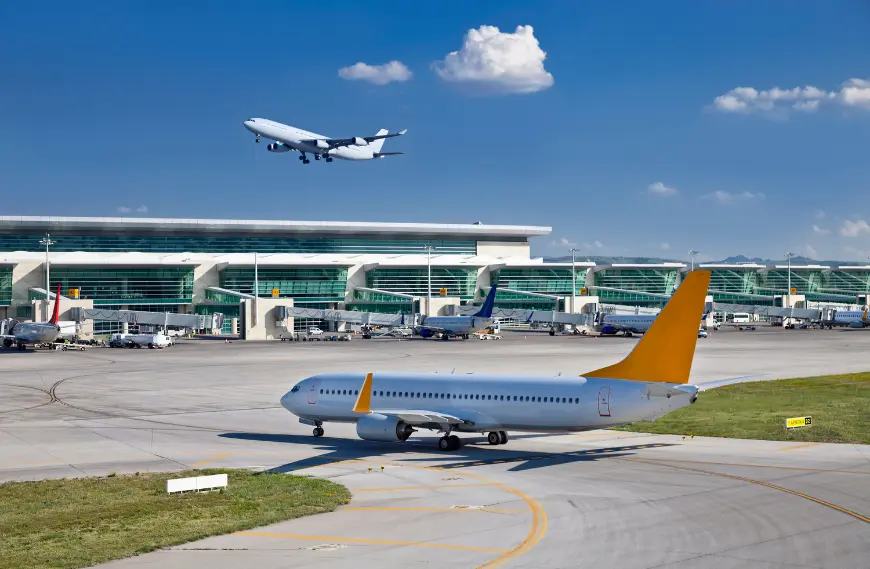
Mumbai’s aviation landscape is on the verge of a major shift, with airlines awaiting clarity on flight movements between Chhatrapati Shivaji Maharaj International Airport (CSMIA) and the upcoming Navi Mumbai International Airport (NMIA). With NMIA set to begin operations in 2025, key airlines, including Air India and Akasa Air, are keen to understand how this transition will unfold.
Airlines in Limbo
As NMIA nears completion, airlines are seeking operational clarity on terminal allocations and flight transitions. Reports suggest that certain domestic operations could shift from CSMIA’s Terminal 1 to NMIA. However, Air India has reportedly sought assurances from airport authorities regarding passenger convenience and logistics before making any operational adjustments.
Meanwhile, Akasa Air is considering its options for operating flights from NMIA. CEO Vinay Dube indicated that while Akasa is open to the move, its priority is maintaining seamless connectivity and passenger convenience.
Challenges in terminal transition
One of the biggest challenges in this transition is the coordinated shift of flights between the two airports. Industry experts point out that passenger connectivity, baggage handling, and airline hub operations need well-defined guidelines to avoid disruption.
Additionally, reports highlight potential plans to demolish and redevelop parts of CSMIA’s Terminal 1. This could force airlines to reconsider their strategies for managing operations across both airports.
Regulatory and operational uncertainty
The International Air Transport Association (IATA) has urged authorities to provide a clear roadmap on how airlines will be allocated between CSMIA and NMIA. This includes details on runway availability, air traffic control, and terminal capacity.
Adani Airports, the operator of NMIA, has assured that the new airport will be equipped to handle growing air traffic, with state-of-the-art infrastructure to ensure smooth operations. However, airlines remain cautious, seeking more transparency on how the shift will impact their operational efficiency and customer experience.
As the deadline approaches, the aviation industry will be watching closely for final decisions on flight allocations and passenger logistics. With Mumbai set to become a dual-airport city, the coming months will determine how airlines, passengers, and authorities adapt to this transformation.
