 Deshwale
The Unsung Heroes of Forests: Squirrels in Nature’s Tapestry
In brief · AI summary Squirrels act as vital eco-engineers in forests. Their buried nuts and seeds often sprout into new trees, and their digging loosens and aerates the soil. As prey for predators such as owls, foxes, hawks, and snakes, they help maintain the food web, and their droppings spread fungal spores that support tree roots.
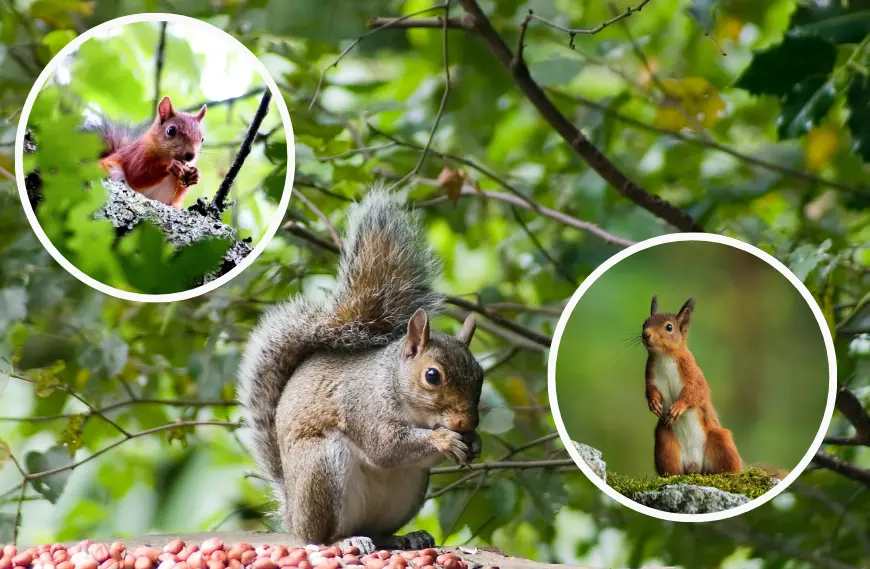
Squirrels scamper through trees, their bushy tails flicking with purpose. These creatures are familiar yet extraordinary. Far from mere playful rodents, squirrels in nature’s tapestry are vital eco-engineers. Their small actions ripple across ecosystems, shaping forests and sustaining life. This article unveils their remarkable contributions with scholarly insight, highlighting the often-overlooked role of squirrels in nature’s tapestry.
Seed Dispersers: Nature’s Gardeners
Squirrels hoard nuts and seeds, burying them for winter feasts. Many caches are forgotten, left to sprout in fertile soil. Oaks, chestnuts, and pines rise from these overlooked treasures. This accidental planting regenerates forests, ensuring their longevity. In India’s lush landscapes, squirrels quietly cultivate tomorrow’s woodlands.
Soil Stewards: Aerating the Earth
Digging is a squirrel’s art, performed with precision and instinct. As they bury or unearth nuts, they churn the soil. This loosens earth, enhancing air and water flow. Other seeds find fertile ground to grow. Tree roots thrive in this enriched environment. Squirrels, thus, nurture the very foundation of forests.
Pillars of the Food Web
Squirrels are prey to owls, foxes, hawks, and snakes. Their abundance supports these predators, maintaining food web balance. In India’s diverse ecosystems, from Himalayan foothills to Deccan plains, squirrels sustain carnivores. Their role ensures predators thrive, stabilising nature’s intricate chains.
Fungi Facilitators: Spreading Life Underground
Red squirrels, in particular, relish truffles and mushrooms. Their droppings scatter fungal spores across forest floors. These spores foster mycorrhizal fungi, vital partners to tree roots. Forests gain resilience and nutrients through this unseen alliance. Squirrels, unknowingly, bolster the underground networks that sustain woodlands.
Sentinels of Ecosystem Health
Squirrels select the healthiest trees for nesting, guided by instinct. A drop in their numbers or nesting shifts signals trouble. Disease, pollution, or habitat loss may lurk behind such changes. Observing squirrels offers clues to an ecosystem’s vitality. They are nature’s subtle monitors, reflecting forest health.
Biodiversity Champions
Squirrels enhance biodiversity through their multifaceted roles. They plant trees, feed predators, and even hunt small insects. As both predator and prey, they weave complex ecological threads. Their actions foster diverse flora and fauna. In India’s vibrant ecosystems, squirrels are quiet architects of stability.
Tiny Titans of Nature
Squirrels may seem small, but their impact is profound. They shape forests, enrich soil, and sustain wildlife. From the Western Ghats to northeastern jungles, their work is vital. These unassuming creatures are nature’s unsung heroes. Let us celebrate squirrels as guardians of India’s green heritage.
Also Read: “Mayday, Mayday, Mayday!” – Understanding a Life-Saving Call