



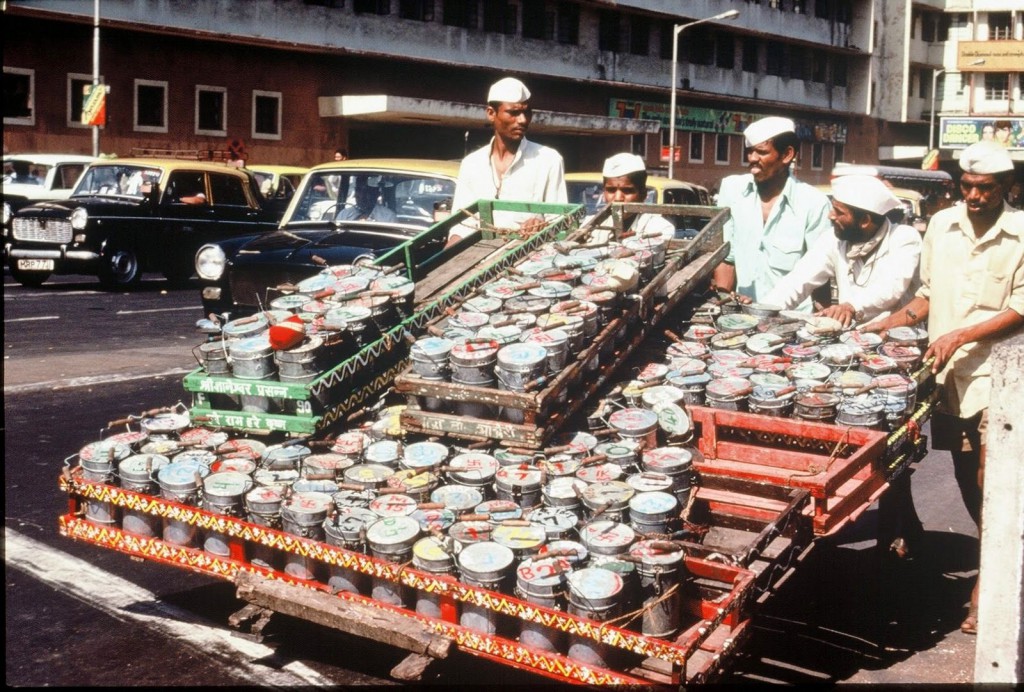
Every afternoon, as Mumbai rushes through its busy workday, thousands of lunchboxes quietly make their way across the city. Trains, bicycles and handcarts become part of a remarkable network that delivers home-cooked meals to offices with astonishing accuracy. Behind this everyday miracle are Mumbai’s iconic dabbawalas.
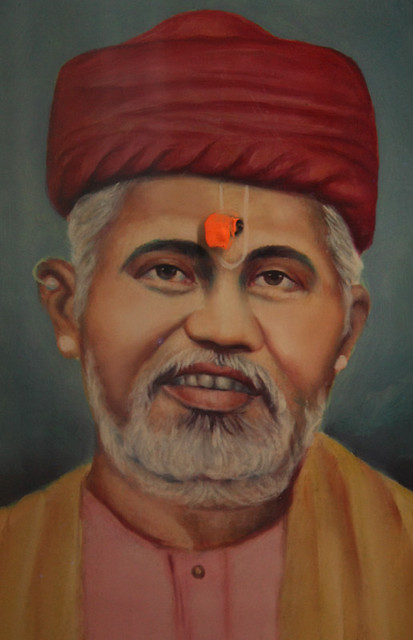
The journey began in 1890, when Mahadeo Havaji Bachche started a lunch delivery service after noticing that many office workers could not return home for lunch and were unhappy with the food available outside. What started with just a handful of customers soon grew into one of the world’s most admired delivery systems.
Today, around 5,000 dabbawalas deliver nearly two lakh lunchboxes every working day across Mumbai. Their work begins early in the morning as they collect tiffins from homes, sort them using a unique colour-coded and symbol-based system, and transport them through Mumbai’s suburban railway network before delivering them to offices on time.
What makes the system extraordinary is that most dabbawalas rely on simple markings instead of smartphones or advanced technology. The codes on each lunchbox indicate the destination, railway station and final delivery point, allowing thousands of tiffins to reach the right person every day with remarkable efficiency.
Their dedication has earned global recognition. Business schools, including Harvard, have studied the dabbawala model for its exceptional supply chain management. The organisation has also been praised for maintaining an error rate so low that it is often compared with Six Sigma standards, making it one of the most efficient delivery networks in the world.
Despite the rise of food delivery apps, Mumbai’s dabbawalas continue to remain relevant. For many office-goers, they represent more than a lunch service. They deliver the comfort of a home-cooked meal, preserve a tradition that has lasted for over a century and showcase the discipline and teamwork that keep Mumbai moving every single day.
For most Mumbaikars, seeing a dabbawala carrying stacks of tiffins is an ordinary sight. But behind every lunchbox is a story of hard work, trust and a system that has become a symbol of the city’s resilience. More than 135 years later, Mumbai’s dabbawalas continue to prove that sometimes, the simplest ideas leave the biggest impact.
Subscribe Deshwale on YouTube
