



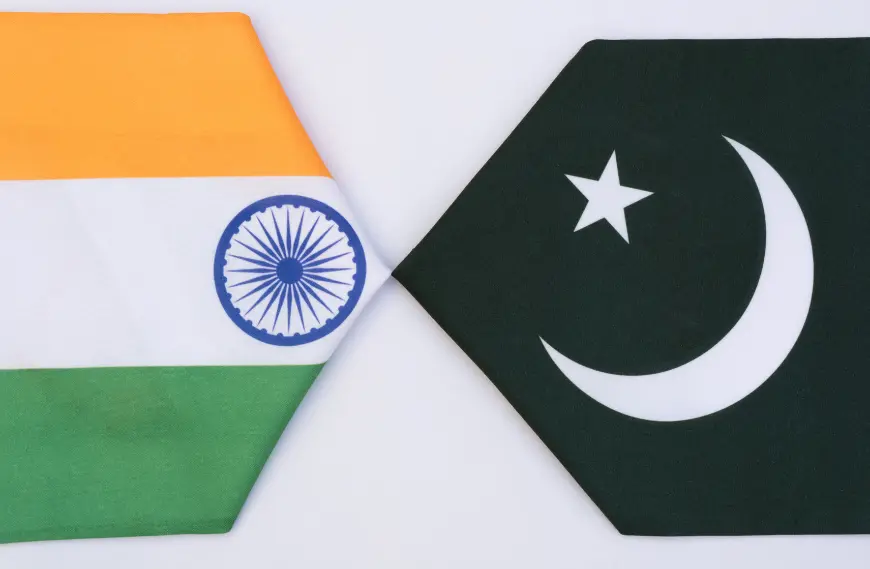
On April 22, a terror attack in Pahalgam, Jammu and Kashmir, resulted in the deaths of 26 people, including tourists from various Indian states and a foreign national. The attack, claimed by the Kashmir Resistance, a newly emerged militant group, has intensified tensions between India and Pakistan. India has attributed the attack to Pakistan-based militants, a claim Pakistan denies, calling for a neutral investigation.
UNSC Steps In With Closed Consultations
In response to the escalating situation, the United Nations Security Council (UNSC) will hold closed-door consultations today. Pakistan, a non-permanent member of the Council, requested the meeting to discuss India’s suspension of the Indus Waters Treaty and other retaliatory measures. India has engaged with other Council members to highlight concerns over cross-border terrorism.
Ceasefire Violations and Military Posturing
Following the attack, ceasefire violations along the Line of Control have intensified, with Pakistani troops reportedly engaging in unprovoked firing across multiple sectors. This marks the eleventh consecutive night of such violations, prompting retaliatory actions from Indian forces and raising fears of a broader conflict.
Domestic Crackdown and Civilian Impact
In Kashmir, Indian authorities have detained over 2,000 residents under anti-terrorism laws. Reports indicate that some detainees have faced harsh treatment, and homes of alleged militants have been demolished, displacing families. These actions have drawn criticism from human rights groups and added to the region’s volatility.
Global Concerns and Calls for Restraint
The international community watches with concern as two nuclear-armed neighbors edge closer to confrontation. The United States has urged both nations to de-escalate, while other global powers call for restraint. The situation remains fluid, with diplomatic efforts underway to prevent further deterioration
