



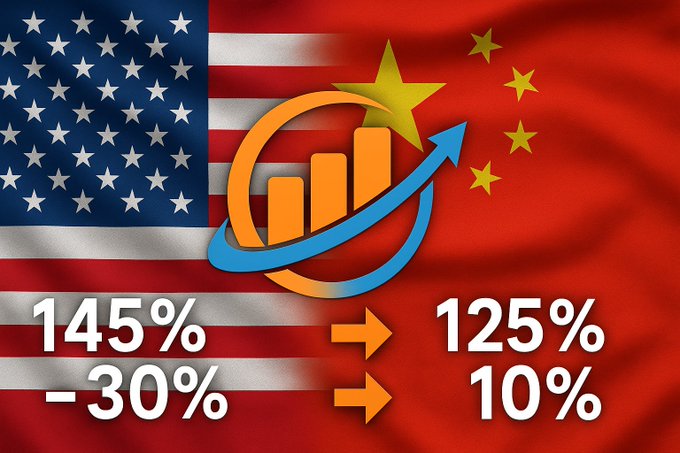
In a surprising move, the US and China have agreed to slash hundreds of billions of dollars in reciprocal tariffs. This marks the most significant breakthrough since the beginning of the trade war that disrupted global markets for nearly seven years.
A Step Back from the Brink
The decision, announced after high-level talks, will see both countries cut nearly 50% of the existing tariffs imposed during the trade standoff. This rollback impacts over $400 billion worth of goods, including electronics, machinery, consumer products, and raw materials.
The US Trade Representative confirmed the tariff cuts will be implemented in phases. China, on the other hand, has agreed to remove retaliatory tariffs on American agricultural products, semiconductors, and automobiles.
What Triggered the Shift?
The easing of trade tensions comes amid growing economic pressure on both sides. China’s manufacturing sector has been struggling with weak global demand. Meanwhile, US inflation and supply chain concerns have fuelled calls for tariff relief from domestic industries.
Both governments faced lobbying from businesses that have long demanded tariff removal. The move is also seen as an attempt to stabilise financial markets before key political events in both countries.
A Long Road to Recovery
Despite this breakthrough, experts caution that the trade relationship remains fragile. Many of the root causes of the conflict – including intellectual property theft, technology transfer restrictions, and industrial subsidies – remain unresolved.
There is no formal end to the trade war yet. But this agreement is the first major thaw in US-China trade ties since the tariff hikes began under the Trump administration in 2018.
Winners and Watchers
US tech firms, farmers, and manufacturers are among the biggest winners of the tariff relief. American exporters are expected to regain some lost ground in the Chinese market. Meanwhile, Chinese consumer goods and electronics will likely become cheaper in the US.
Countries like India, Vietnam, and Mexico – which had benefitted from the supply chain shifts – are watching the developments closely. A continued easing of US-China tensions could impact their export-driven gains.
What’s Next?
Trade analysts believe more negotiations are ahead. The two countries may explore a broader framework deal on trade and tech in the coming months. For now, markets have welcomed the de-escalation.
But given the volatile history of the US-China trade relationship, the current peace could still be temporary.
