



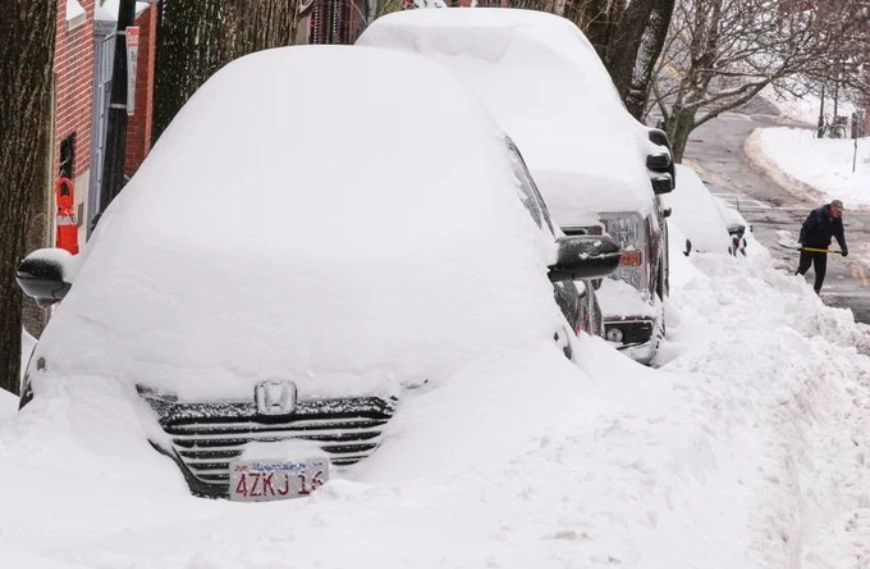
A severe winter storm has swept across the United States, claiming at least 30 lives and leaving over 560,000 homes without electricity. Stretching from the Deep South to the Northeast, the storm has delivered record snowfall, hazardous ice, and life-threatening cold, prompting authorities to warn that dangerous conditions will continue in the coming days.
The storm corridor extended from Arkansas to New England, dumping more than a foot of snow in several regions while southern states, unaccustomed to extreme winter weather, suffered crippling ice storms. Mississippi and Tennessee reported the most significant outages, with hundreds of thousands of residents struggling without power amid subzero temperatures. In Nashville, Tennessee, 230,000 households experienced outages at the storm’s peak, marking the highest disruption in the utility’s history.
Tragically, fatalities occurred across multiple states. In Massachusetts and Ohio, two individuals were struck by snowplows, while teenagers in Arkansas and Texas died in sledding accidents. New York City discovered eight bodies outdoors over the weekend, with officials investigating whether the victims were homeless. In Kansas, a 28-year-old teacher died after leaving a bar without proper clothing or a phone, highlighting the lethal risks posed by extreme cold. New York City authorities have intensified efforts to reach vulnerable populations, including those recently released from hospitals or jails, individuals with mental health challenges, and residents reluctant to enter shelters.
The southern United States experienced some of the storm’s most unusual and destructive impacts. Mississippi faced its most severe ice storm since 1994, with roads rendered impassable and trees collapsing under the weight of ice. Emergency services reported extensive damage to homes, vehicles, and power infrastructure. Governor Tate Reeves urged residents to exercise patience, acknowledging that full recovery would take days. Local communities have faced dangerous conditions, with ice-laden trees falling on houses and vehicles, leaving many residents stranded and in urgent need of assistance.
Air travel was heavily disrupted as the storm spread. New York City experienced its heaviest snowfall in years, while areas north of Pittsburgh recorded up to 20 inches. On Monday alone, more than 12,000 flights were delayed or cancelled, following a 45 per cent cancellation rate on Sunday—the highest since the Covid-19 pandemic. The harsh weather also contributed to a fatal aviation incident in Maine, where a Bombardier Challenger 600 business jet crashed during takeoff at Bangor International Airport, killing seven and leaving one crew member injured.
Forecasters warn that Arctic air will continue to bring subzero temperatures, prolonging power outages and keeping roads hazardous. Authorities emphasise that recovery may take several days, and residents are urged to remain cautious while essential services are gradually restored.
Subscribe Deshwale on YouTube
