



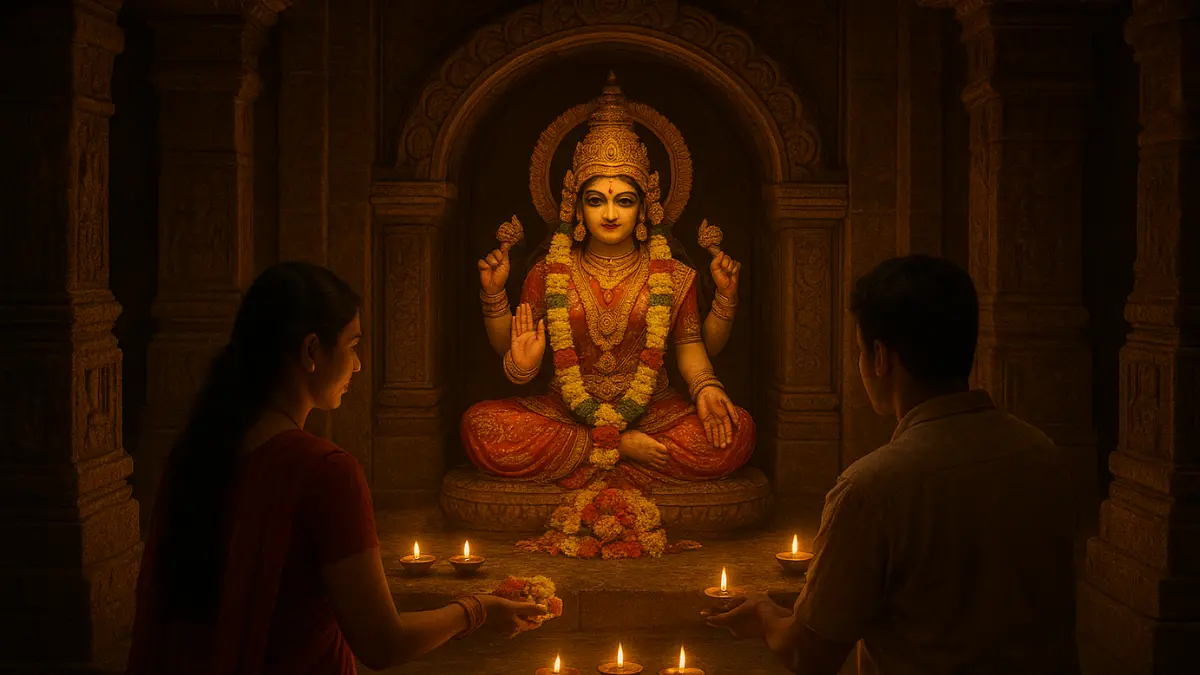
A carved face in granite. A bronze figure glowing under temple lamps. A clay idol shaped in a village courtyard. These are not just works of art. They are murtis, divine images that serve as gateways to the sacred. To millions, they embody presence and power. Yet, beneath their spiritual role lies a science of proportion, vibration and symbolism.
The Anatomy of a Murti
A murti is not sculpted at whim. Traditional śilpa śāstra texts prescribe exact ratios for every form. Posture, gesture, attributes and expression must align with these rules. Vishnu’s Trivikrama form shows him stepping across the cosmos. Shiva as Natarāja holds the rhythm of creation in his dance. Every pose conveys a philosophical truth.
Proportions are crucial. Crown to chin, chin to navel, navel to feet, each ratio mirrors human anatomy and cosmic balance. Craftsmen mark grids on stone or clay, measuring with calipers before chiselling with care. A deviation breaks the harmony. Precision is not only art but also devotion.
Mudrās: Gestures with Power
The hands of a deity are more than decoration. Each mudrā signals an inner force:
- Abhaya: palm outward, promising protection.
- Varada: palm downward, granting blessings.
- Dhyāna: hands in lap, urging stillness.
Such gestures are subtle codes. They direct energy and evoke calm, courage or surrender in worshippers.
Mantras: Sound as Energy
An idol is awakened through mantra and breath. Priests chant bija mantras, seed sounds like Om, Aim, or Kleem. Each syllable holds a vibrational pattern. Sanskrit phonetics treats sound as a precise acoustic wave. When recited, it aligns the murti’s energy with universal prāṇa.
During kumbhābhiṣeka, water is poured over the idol as mantras rise. The ritual signals transition. The murti shifts from stone or metal into a vessel of divine presence.
Materials and Their Meaning
The choice of material also shapes ritual practice:
- Stone is enduring and cool, suited for temples.
- Bronze or Panchaloha alloys conduct and radiate energy.
- Wood is personal, often used in homes.
- Clay is temporary, moulded for festivals before immersion.
Each substance sets the rhythm of care. Stone icons stay untouched, metals are bathed, clay dissolves to symbolise renewal.
Iconographic Codes
Texts like the Nāṭyaśāstra link form to meaning. Durga’s many arms signify vast power. Ganesha’s elephant head embodies wisdom. His ears are large to listen, eyes small to focus. His belly signals abundance, and his broken tusk tells of sacrifice.
These features are not random. They teach philosophy through form. They invite reflection through shape and story.
Mind and Brain in Ritual
Modern research supports these ancient practices. Focusing on an image, called trataka, enhances concentration. Rhythmic chanting synchronises brain waves. Studies suggest that detailed iconography activates mirror neurons, deepening empathy and emotional connection.
Thus, murti worship blends art with psychology. It creates a multi-sensory path to mindfulness.
Murti and Community
Beyond temples, murtis shape community life. In Tamil Nadu, village idols are carried through streets during festivals. In Bengal, Durga Puja clay icons draw crowds in millions. Regional styles differ, almond-eyed goddesses in Bengal, slender bronzes in Tamil Nadu, but the underlying codes remain consistent. They weave unity through diversity.
Visible Form, Invisible Presence
Devotees see both sculpture and spirit. In rituals, they hold a mirror before the idol, reflecting themselves in the divine gaze. They light lamps, offer food, and wave incense. Above all, they seek darśana, meeting the eyes of the deity to receive grace.
Science and Tradition Together
Murti worship is a dialogue between form and meaning, sound and silence. It fuses geometry, acoustics, psychology and devotion. The idol becomes a laboratory of faith, where art meets physics and ritual channels inner transformation.
Next time you stand before a temple idol, pause. Notice the carved symmetry. Listen for the hum of mantra in the air. Feel the stillness it creates. In that meeting of stone and spirit, the unseen becomes seen.
