



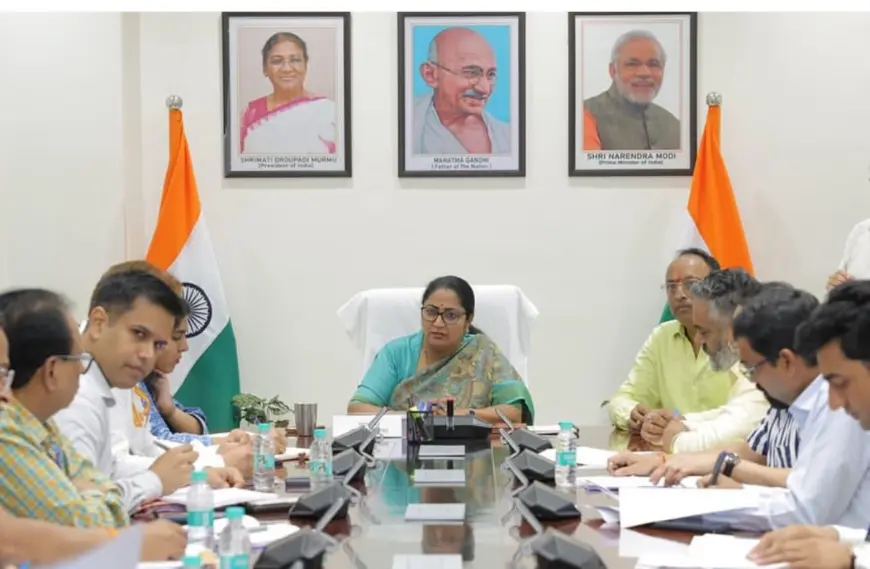
A recent incident in Delhi has sparked a debate about governance, gender representation, and political family dynamics. AAP leader Saurabh Bhardwaj compared the Delhi CM Rekha Gupta’s husband attending official meetings to the “Phulera Panchayat” system, a concept from the popular web series Panchayat. In the fictional Phulera Panchayat, a woman’s elected position is effectively overshadowed by male relatives who take charge of official duties.
Bhardwaj’s comparison highlights concerns over real-life political practices where family members of elected officials appear to wield influence in decision-making processes. Many observers see this as more than a routine political presence; it raises questions about gender representation, accountability, and the true exercise of power in elected offices.
The debate has drawn attention from both political commentators and entertainment enthusiasts, bridging the gap between popular culture and real-world governance issues. By referencing a widely recognized fictional scenario, AAP aims to emphasize the perceived imbalance in authority and the potential undermining of elected women’s roles in politics.
Supporters of the CM, however, argue that the presence of her husband in meetings is part of constituency management and routine governance, not an attempt to override her authority. Nonetheless, the controversy has reignited discussions about the role of family members in political offices and how such practices affect public trust, democratic norms, and gender equality in politics.
For many, this incident serves as a reminder that the boundaries between governance and family influence are closely watched by both citizens and political observers. It also shows how fictional narratives like Panchayat can resonate with real political events, offering a relatable lens to discuss serious issues like representation and accountability.
The “Phulera Panchayat in Delhi” debate is likely to continue shaping public conversations about gender, governance, and political ethics, emphasizing the need for transparency and proper checks in political offices.
