



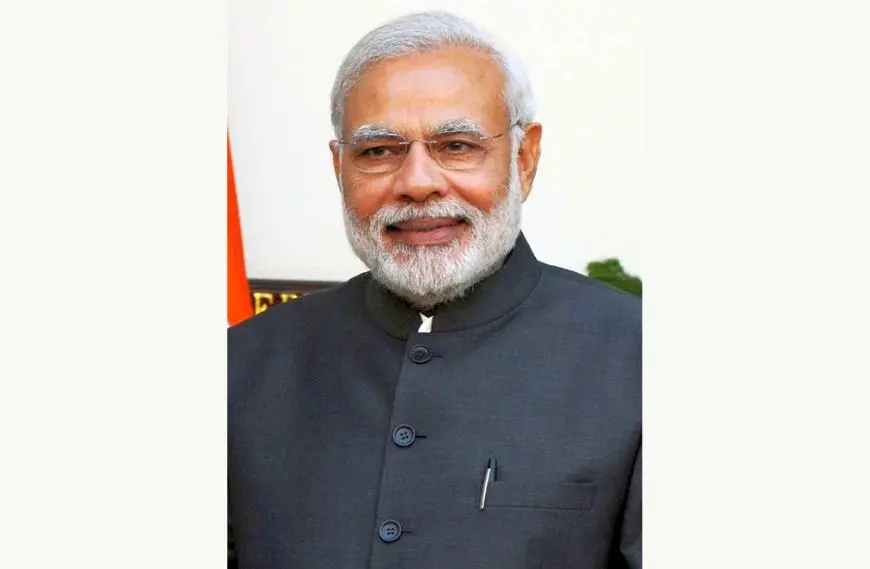
Narendra Modi turned 75 this year, and his birthday felt more like a national festival than a private occasion. Wishes came from world leaders including Donald Trump, Anthony Albanese, and Christopher Luxon, who praised India’s growing role in global affairs. For many, these messages were more than greetings — they were recognition of how Modi’s leadership has placed India at the centre of international conversations. While Modi himself treats his birthday as a day of work and reflection, the global attention underlined how closely his personal milestones are tied to India’s rising influence on the world stage.
A birthday beyond cake and candles
Most birthdays are personal. Friends and family gather, gifts are exchanged, and that’s that. But when you are the leader of the world’s largest democracy, your birthday can also become a global event. For Modi, it was less about personal cheer and more about what the wishes revealed: India’s international influence is rising, and world leaders are eager to acknowledge it.
A call from Washington
One of the most notable greetings came from across the Atlantic. Former US President Donald Trump did not just post a quick message online. He picked up the phone. In that call, the two men did not only speak about birthdays. They spoke about one of the most pressing issues of our time—the war in Ukraine.
The fact that Trump linked a personal greeting with global diplomacy says a lot. It shows that for leaders like him, India is not just a partner but a key player whose voice matters in solving international conflicts. Modi’s warm reply, promising to strengthen ties and support peace efforts, underlined how India now positions itself as a problem-solver on the global stage.
A nod from Canberra
From Australia came another message, this time from Prime Minister Anthony Albanese. His tone was friendly, calling Modi a ‘friend’ and stressing the value of the bond between their countries. But there was more to it than warm words. He pointed to the contributions of the Indian community in Australia, a group that has grown in size and influence over the years.
This message showed that India’s influence does not only come through diplomacy and trade. It also comes through its people. The diaspora has become a cultural and economic bridge, and leaders like Albanese know it. Wishing Modi was not just about courtesy. It was about strengthening ties with a community that plays a vital role in his own country’s future.
A reflection from New Zealand
New Zealand’s Prime Minister Christopher Luxon added another layer. In his video greeting, he did not just wish Modi well. He called the birthday a moment to reflect on leadership and vision. Luxon spoke about India’s goal of becoming a developed nation by 2047, a vision that Modi often shares.
Here, the message was less about friendship and more about respect. Respect for leadership that can guide a nation of 1.4 billion people toward a long-term goal. Luxon even hinted at hospitality and future visits, showing that personal gestures often blend with political signals in international relations.
It’s easy to see these greetings as just polite diplomacy. Leaders exchange such messages all the time. But the timing and tone make them worth noting. When three leaders from different corners of the world highlight India’s role and Modi’s leadership, it signals recognition.
It signals that India is no longer just another player in the global order. It is now central to conversations on peace, trade, technology, and the future of democracy. And for Modi, these messages were not only personal congratulations but also public endorsements of India’s rising influence.
India’s expanding global role
Over the past decade, India has shifted gears in how it presents itself abroad. From being seen mainly as a developing economy, it has become a country with real weight in global decisions. Its participation in forums like the G20 and Quad has only added to this.
The birthday wishes reflected that shift. Trump tied his call to a global crisis. Albanese tied his greeting to the Indian diaspora’s impact. Luxon tied his message to India’s future ambitions. Each one reflected a different strand of India’s growing influence. Together, they formed a narrative of a country that is both respected and relied upon.
A moment of symbolism
Birthdays may seem symbolic, but symbols matter in politics. They show how leaders are perceived, how nations are positioned, and how personal relationships shape bigger stories. Modi’s 75th was more than a milestone. It became a stage where global leaders showcased their recognition of India’s importance.
It’s also worth noting the platforms where these greetings were shared — phone calls, video messages, and social media posts. They reached not only leaders but also the public, amplifying the message that India’s rise is not just a diplomatic fact but a public narrative.
What do these greetings mean for India’s future? They suggest that as India moves towards 2047, the world is paying attention. Leaders see India as a partner in solving conflicts, strengthening communities, and shaping long-term growth.
For Modi, the greetings are also a reminder of expectations. Global leaders are watching. They admire India’s progress but also look to it for solutions, stability, and leadership.
‘Global Leaders Celebrate India’s Rising Influence’ is more than a headline. It’s a snapshot of how far India has come in global perception. Modi’s 75th birthday became a stage for leaders to signal not just friendship but recognition of India’s place in the world.
In the end, it was not the cake or candles that mattered. It was the chorus of voices, across oceans and cultures, acknowledging that India’s influence is not only rising but already shaping the global order.
