



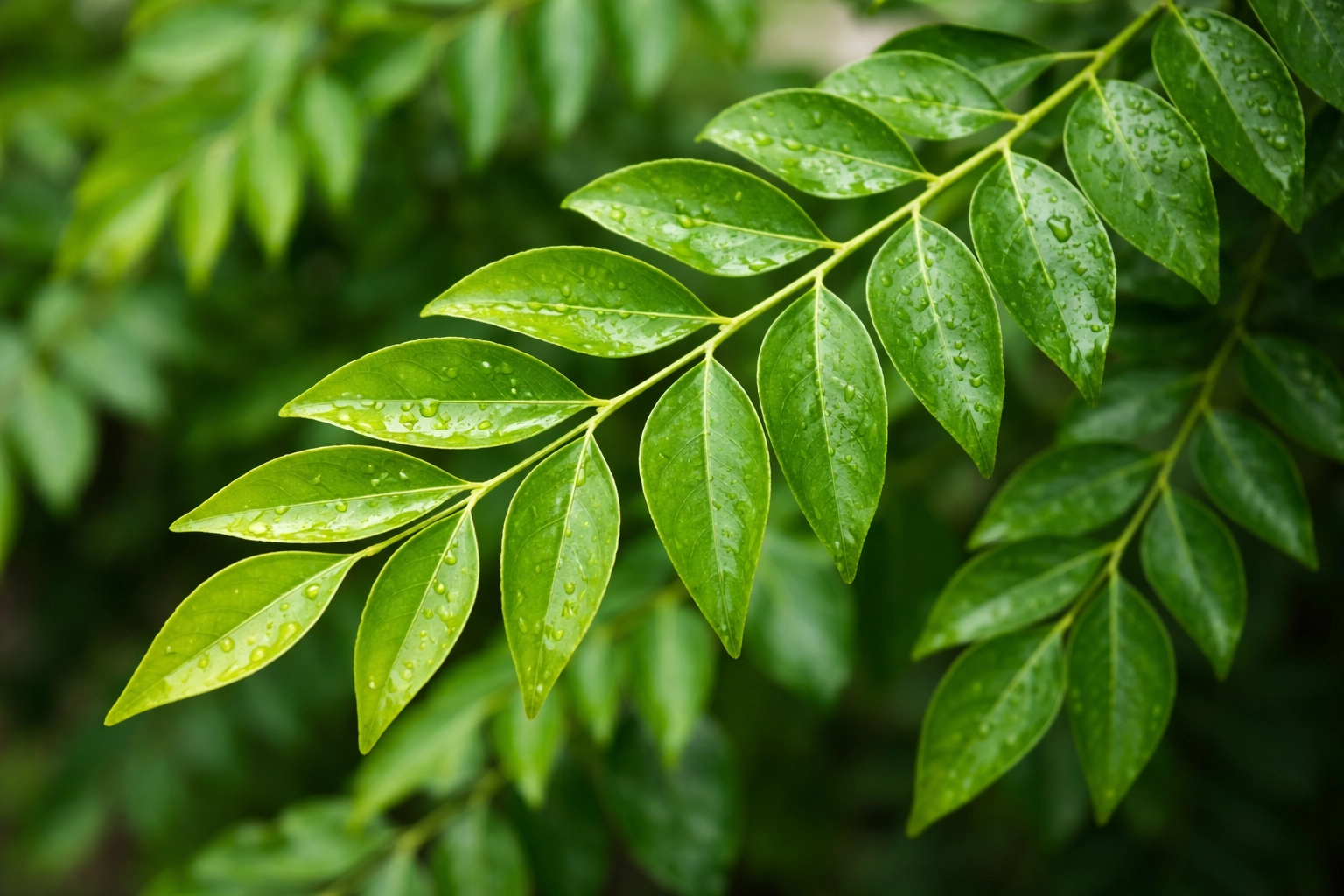
The curry leaf plant, Murraya koenigii, is a staple in Indian kitchens, loved for the unique aroma it adds to curries, dals, and chutneys. Often grown in backyards or large pots, it is valued not only for flavour but also for its nutritional benefits. Curry leaves are rich in antioxidants, iron, calcium, and essential vitamins like A, B, C, and E, making them a natural way to boost the healthfulness of everyday meals.
Traditionally, households add fresh leaves to hot oil during tempering. This releases their aromatic oils while also supporting digestion and metabolism. Ayurvedic practices even highlight their potential role in liver health and blood sugar regulation. Though it may seem small, the curry leaf is considered a powerful ally in daily wellness.
Curry leaves are also widely used in hair care. Many families boil the leaves in oil and massage it into the scalp to strengthen hair, reduce hair fall, and slow premature greying. Modern herbal products often include curry leaf extracts, inspired by this tradition. While scientific studies are still limited, the consistent use over generations has made it a trusted home remedy.
One of the best things about the curry leaf plant is its hardiness. Once established, it produces fresh leaves throughout the year, providing a steady source of micronutrients. For homes with limited access to fresh greens, it becomes an invaluable nutritional asset. Its low-maintenance growth makes it ideal for backyard gardens, terrace pots, or even urban spaces.
Beyond nutrition, the plant adds greenery and fragrance to the home. It is not only functional but also aesthetically pleasing, making any garden or balcony more vibrant. Its presence in the home often connects families to tradition, culture, and holistic living. Generations have relied on it, not just for cooking, but for health and wellness practices.
Modern science is beginning to validate what generations of households have long known. Curry leaves contain polyphenols and flavonoids, compounds that help neutralise free radicals. While more research is needed, these properties suggest real health potential, supporting its role as a functional herb.
The curry leaf plant also supports sustainability. By growing your own, you reduce dependence on store-bought greens while ensuring freshness and purity. Its year-round productivity makes it a reliable addition to any home garden, allowing families to enjoy fresh, nutrient-rich leaves without extra cost or effort.
Whether used in cooking, infused in hair oil, or grown as a garden companion, the curry leaf proves that small plants can have a big impact. Its fragrance hints at the nourishment it provides, enhancing meals, supporting wellness, and enriching everyday life.
