








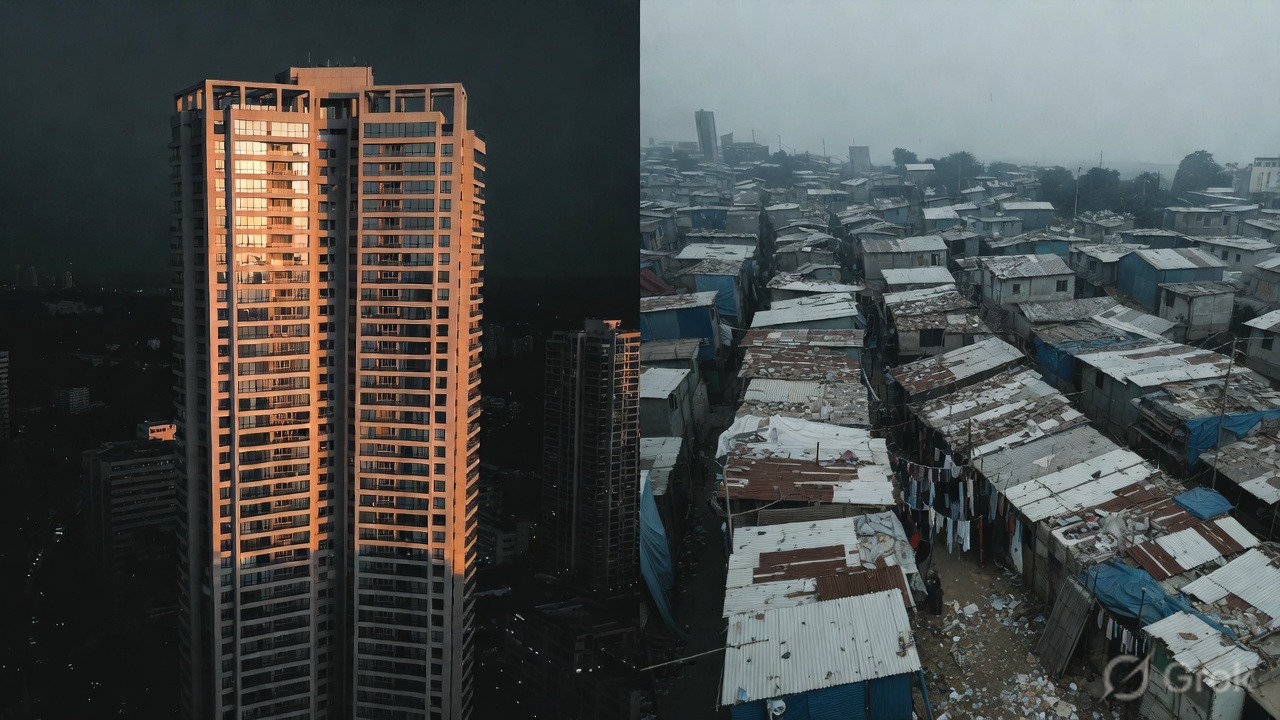
As I conclude this series, reflecting on unrest’s scale, superpowers’ lapses, and internal divides, a sense of urgency grips me. In 2026, the world teeters not from inevitable doom, but from choices we can still make. I have shared my unhappiness: how fragility persists despite our advancements, how peace eludes us, and how prosperity mocks the many. Yet, as a journalist who has seen glimmers of hope, from peace accords in Colombia to youth movements in Africa, I believe change is possible.
A World of Widening Divides
The fractures are not confined to superpowers. They are global, deep, and worsening.
- In the UK, Brexit’s aftermath widens regional gaps, with London’s finance elite thriving while northern towns decay, fuelling social unrest of the kind seen in the 2024 riots
- Germany’s economic-powerhouse status conceals migrant-integration failures, with far-right surges spreading across the east
- Brazil’s Amazon billionaires exploit resources while indigenous communities starve, sparking environmental protests
- In Saudi Arabia, Vision 2030’s luxury cities stand in stark contrast to suppressed women’s rights and migrant-labour abuses
Africa and Asia: Extremes in Sharp Relief
Africa exemplifies the sharpest contrasts. Nigeria’s oil tycoons occupy Lagos while the Boko Haram-ravaged north bleeds. South Africa’s CEOs earn 500 times the minimum wage, even as townships go without water.
Asia follows the same pattern. Jakarta’s elites coexist uneasily with Papua’s separatists in Indonesia. Even Scandinavia, long celebrated for equality, sees immigrant suburbs facing exclusion, breeding quiet, persistent discontent.
The Forces Driving Instability
These gaps are not passive. They generate consequences.
- Economic hardship drives migration across borders
- Social exclusion radicalises youth
- Political voids invite autocrats to fill the space
- In 2026, climate change amplifies every existing fault line, with droughts in India displacing millions and storms in the Philippines hitting the poor the hardest
Why Does This Persist?
Three forces sustain the cycle.
- Neoliberal policies that prioritise growth over equity
- Corruption that siphons wealth away from those who need it most
- A form of globalisation that connects markets but disconnects people
What Must Be Done
Superpowers must lead by example.
- The US through progressive taxation
- China through rural investment
- Russia through anti-corruption drives
- India through affirmative action
At the international level, the UN must be reformed for fairer representation. Sustained investment in education, healthcare, and universal basics is essential to bridge deepening divides.
Grassroots Solutions and the Role of Technology
Ground-level efforts have already shown what is possible. Kenyan cooperatives have empowered women. Colombian truth commissions have begun healing wounds. Technology, if directed wisely, can contribute as well, with AI deployed for fair resource allocation rather than purely for profit.
A Final Reckoning
Without decisive action, 2026’s fragility becomes 2030’s catastrophe. But the possibility of a different outcome remains. If the choice is made for equity, the trajectory changes. The series concludes, but the quest for peace does not. The demand for better, from leaders and from ourselves, must continue.
Subscribe Deshwale on YouTube


