



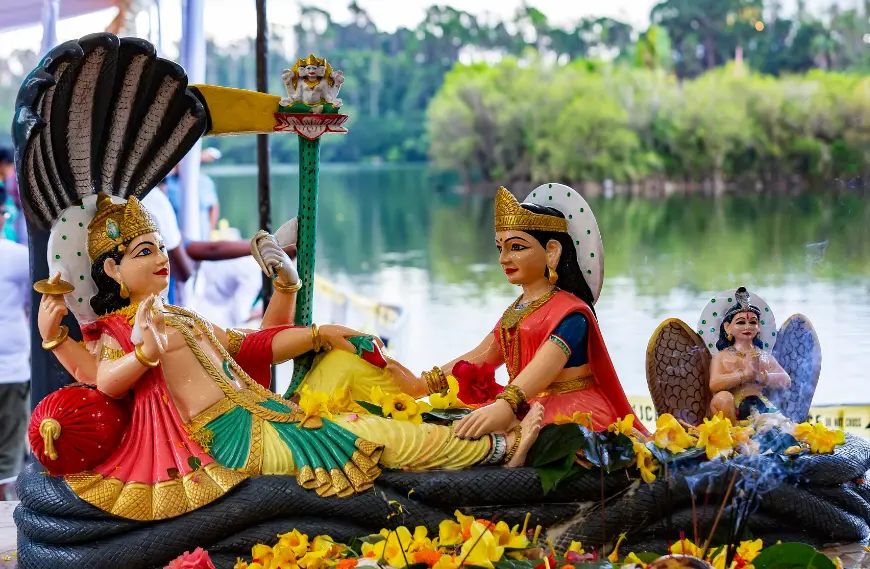
Shayani Ekadashi, also known as Devshayani Ekadashi, will be observed on Sunday, 6 July 2025. This sacred festival marks the beginning of Lord Vishnu’s four-month yogic slumber. Devotees observe fasts, perform rituals, and immerse themselves in spiritual discipline. From reciting the Vishnu Sahasranama to pilgrimages to Pandharpur’s Vithal Temple, the day embodies a confluence of devotion and tradition. It heralds Chaturmas—a period of austerity and piety. Let us explore this hallowed occasion in detail.
The Divine Pause: Monsoon showers adorn the skies as India prepares for a sacred stillness. Amidst this arrives Devshayani Ekadashi. This year, it falls on 6 July 2025, a Sunday. On this day, Lord Vishnu enters yoga nidra (divine sleep). Also called Ashadi Ekadashi or Harishayani Ekadashi, it is observed on the eleventh lunar day (ekadashi) of the bright fortnight in the month of Ashadha. Devotees fast, chant mantras, and dissolve into divine rhythm. Temples reverberate with sacred hymns; hearts connect with the infinite. This is no mere date—it is a celebration of spirituality, an embrace of devotion.
Significance: The Dawn of Chaturmas: Shayani Ekadashi symbolises the start of Chaturmas, a four-month period when Vishnu rests upon Sheshnag in the Kshira Sagara (Ocean of Milk). Scriptures state He awakens on Prabodhini Ekadashi. During Chaturmas, life’s pace slows. Auspicious ceremonies like weddings and housewarmings halt. Devotees turn inward, seeking solace for the soul. The mind finds clarity through worship.
The Bhavishyottara Purana narrates a legend: King Mandhata’s kingdom suffered drought. Sage Angiras advised him to observe this fast. Upon doing so, rains blessed the land, restoring prosperity. Thus, the glory of Shayani Ekadashi became eternal.
Rituals: Surrender and Sanctity: The festival’s allure lies in its timeless rituals. Devotees rise at Brahma Muhurta (pre-dawn), vow to please Vishnu and Lakshmi, and purify themselves with ritual baths. Fasting begins—grains, lentils, and onions are forbidden; only purity is permitted. Homes are adorned with idols of Vishnu, offered yellow flowers and tulsi leaves (symbols of love). The air echoes with chants of the Vishnu Sahasranama.
As the 12th-century poet Jayadeva urged: “Lose yourself at Lord Vishnu’s lotus feet—there lies boundless bliss.” His words still resonate today. This festival is a call to surrender.
Cultural Tapestry: Yet, Shayani Ekadashi transcends ritual—it is India’s cultural heartbeat. In Maharashtra, the Pandharpur Yatra draws millions. Varkari pilgrims walk miles singing bhajans, their hearts united with Vithal (a form of Vishnu). Saffron flags flutter against rain-washed skies—a vision of faith. In Odisha, the festival follows the Jagannath Rath Yatra, setting the stage for Vishnu’s repose. Across India, diverse expressions of devotion bloom—a celebration of unity in diversity.
The Fast: A Spiritual Journey: Fasting on Devshayani Ekadashi is an odyssey of the spirit. Some abstain fully from food and water; others consume only fruits and milk. This is not deprivation but surrender of desires—a purification of karma. The Padma Purana declares: “Observing this fast with devotion erases sins.”
Families gather to hear fasting legends, like that of a poor Brahmin who attained abundance through devotion. Such stories embody the festival’s enduring appeal—a testament to faith’s power.
Chaturmas: Season of Discipline: With Ekadashi begins Chaturmas—a time for discipline. Devotees embrace simplicity, eschewing tamasic (impure) foods for sattvic (pure) nourishment. Ascetics chant mantras and recite the Gita. Echoing Swami Vivekananda: “Service to others purifies the heart.” Charity—of food, clothing, or cows—is deemed sacred. Aligning with the monsoon, nature itself pauses, inviting reflection.
Modern Adaptations: Modern life poses challenges—rigorous fasts seem daunting; busy schedules clash with tradition. Many adapt: some observe partial fasts; others focus on mental discipline. Yet the essence remains: surrender to Vishnu’s will.
Ecological Wisdom: Devshayani Ekadashi carries an environmental message. Chaturmas’ simplicity mirrors sustainable living. Avoiding grand celebrations benefits nature. Rain nourishes the earth; farmers prepare their fields. The festival harmonises faith with ecological rhythms—an ancient lesson in balance.
So, Devshayani Ekadashi has arrived. Let temples glow with lamps and homes hum with hymns. For this is not merely a festival—it is a spiritual journey. A day to pause, reflect, and reconnect with the divine. As rains fall and Vishnu rests, devotees find peace in prayer. The festival’s magic lies in unity—bridging young and old, rich and poor. Night falls, mantras resonate, and one truth shines: In Vishnu’s slumber, our souls awaken.
Devshayani Ekadashi 2025: Timings and Details
- Ekadashi Tithi Begins: Saturday, 5 July 2025, 6:58 PM
- Ekadashi Tithi Ends: Sunday, 6 July 2025, 9:14 PM
- Fasting Date: Sunday, 6 July 2025 (as per Udaya Tithi)
Auspicious Muhurats (6 July 2025):
- Labh (Prosperity): 8:45 AM – 10:28 AM
- Amrit (Supremely Auspicious): 10:28 AM – 12:11 PM
- Shubh (Auspicious): 1:54 PM – 3:38 PM
- Shubh (Auspicious): 7:04 PM – 8:21 PM
- Amrit (Supremely Auspicious): 8:21 PM – 9:38 PM
Parana (Breaking Fast):
Monday, 7 July, 5:29 AM – 8:16 AM
Auspicious Yogas:
- Tripushkar Yoga: 9:14 PM – 10:42 PM (6 July)
- Ravi Yoga: 5:56 AM – 10:24 PM (6 July)
- Nakshatra: Anuradha
Devotional acts during these periods yield multiplied blessings.
Chaturmas 2025:
Lord Vishnu sleeps from 6 July until Devuthani Ekadashi (Saturday, 1 November 2025). During Chaturmas, auspicious ceremonies are avoided. The cosmos is governed by Lord Shiva until Vishnu awakens.
