










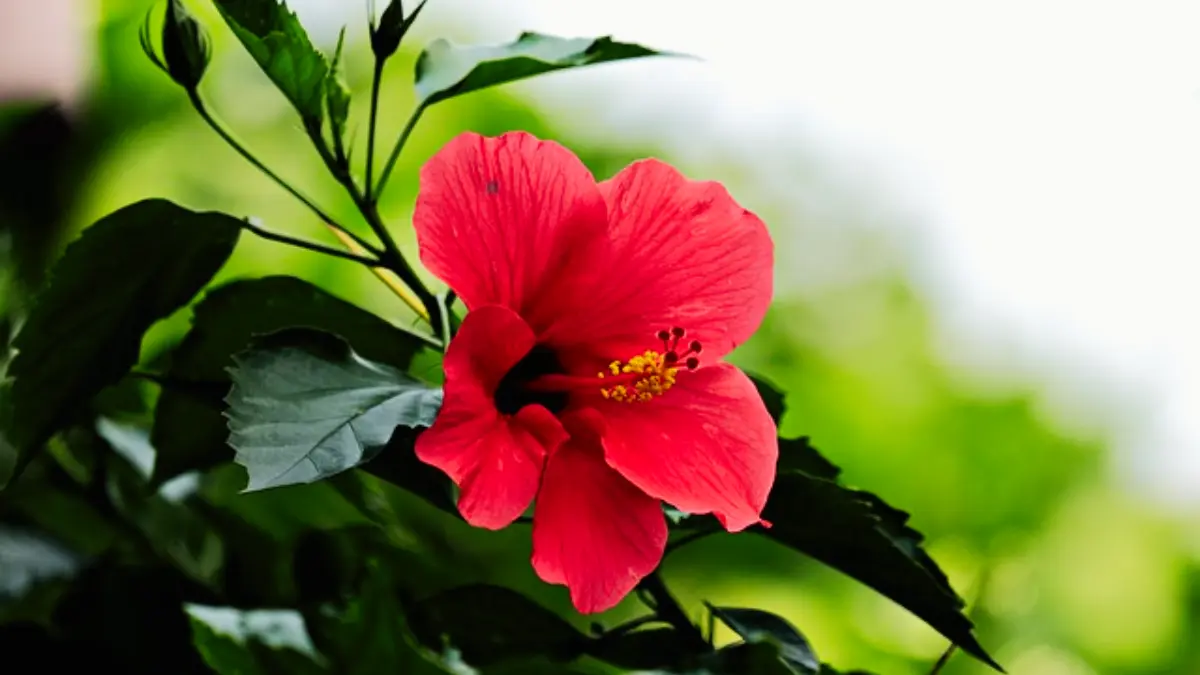
With radiant petals in shades of red, pink, yellow, and even white, the hibiscus (Hibiscus rosa-sinensis) stands as one of the most admired tropical flowers. Found in gardens across the globe and celebrated in folklore, it is far more than a decorative plant. The hibiscus plays a vital role in ecosystems, healing traditions, and cultural identity throughout Asia, Africa, the Pacific, and the Americas.
A Floral Star of the Tropics
Hibiscus plants are best known for their large, trumpet-like blossoms that flourish under the sun. Each bloom typically measures between 10 and 20 centimetres in diameter and opens wide to welcome bees, butterflies, and hummingbirds. Though a single flower lasts only a day or two, many hibiscus plants bloom repeatedly over several months.
There are hundreds of hibiscus varieties in cultivation, each offering a different hue—though none in true blue. Some well-known types include:
- Hibiscus rosa-sinensis: Also known as Chinese hibiscus, this is widely planted as an ornamental.
- Hibiscus syriacus: Known as the Rose of Sharon, it holds national flower status in South Korea.
- Hibiscus sabdariffa: Commonly called roselle, it is prized for its edible calyces and tart flavour.
A Haven for Pollinators
These flowers are a rich source of nectar, making them an important attraction for pollinators such as bees, sunbirds, and butterflies. Their open design allows easy access, while prominent stamens ensure that every visitor leaves with a dusting of pollen.
In some regions, specific hibiscus species have developed special relationships with native insects or birds. These connections enhance biodiversity and support balanced ecosystems.
Woven into Culture and Identity
In many cultures, hibiscus flowers carry symbolic meaning. In Hawaii, for instance, wearing a hibiscus behind the ear conveys relationship status—right side means single, left side indicates taken. On the islands of Tahiti, hibiscus blooms are often used in ceremonial garlands.
South Korea reveres the Rose of Sharon as a national emblem of endurance and immortality, frequently seen in art, poetry, and even the presidential seal. In Malaysia, the red hibiscus, called Bunga Raya, represents unity and national pride.
Healing Power of Hibiscus
Across generations, hibiscus has been used in traditional medicine. The dried calyces of Hibiscus sabdariffa are brewed into a bright red herbal tea, enjoyed worldwide for its tart, cranberry-like taste. Known in many places as sour tea or roselle, this drink is more than refreshing—it may also support health.
Research suggests that hibiscus tea could:
- Lower blood pressure naturally.
- Help manage cholesterol levels.
- Deliver antioxidants that reduce inflammation.
In Ayurveda and traditional Chinese medicine, the flowers and leaves are used to support digestion, promote hair and skin health, and act as a gentle diuretic.
From Kitchen to Table
Culinary uses of hibiscus extend well beyond tea. In several cultures, hibiscus calyces are used in making jams, chutneys, syrups, and festive drinks. Caribbean sorrel punch and Mexican agua de jamaica are popular examples. In parts of Africa, hibiscus leaves are cooked like spinach and served as part of local dishes.
Supporting the Environment
Hibiscus hedges not only enhance the beauty of gardens but also provide shelter and nourishment for birds and small animals. Their roots help prevent soil erosion, especially in tropical agricultural areas, contributing to long-term land health.
Conservation and Care
Although cultivated hibiscus species thrive globally, some wild varieties face serious threats. Habitat destruction, pollution, and crossbreeding with hybrid forms have put native genetic diversity at risk.
Botanical gardens and horticulturists are working to preserve these wild strains through propagation and seed banks. Their efforts aim to protect the hibiscus heritage for future generations.
As Hawaiian botanist Amy Greenwell once said, “The hibiscus is a gift of the tropics, a symbol of life’s vivid joy and the gentle reminder of its passing beauty.” Her words continue to reflect the spirit of this striking flower.
A Living Legacy
The hibiscus is more than just a plant with pretty petals. It bridges cultures, feeds pollinators, heals bodies, and strengthens ecosystems. Whether growing by a village path, adorning a garden, or served in a cup of tea, the hibiscus remains a vibrant reminder of tropical life’s richness and resilience.


